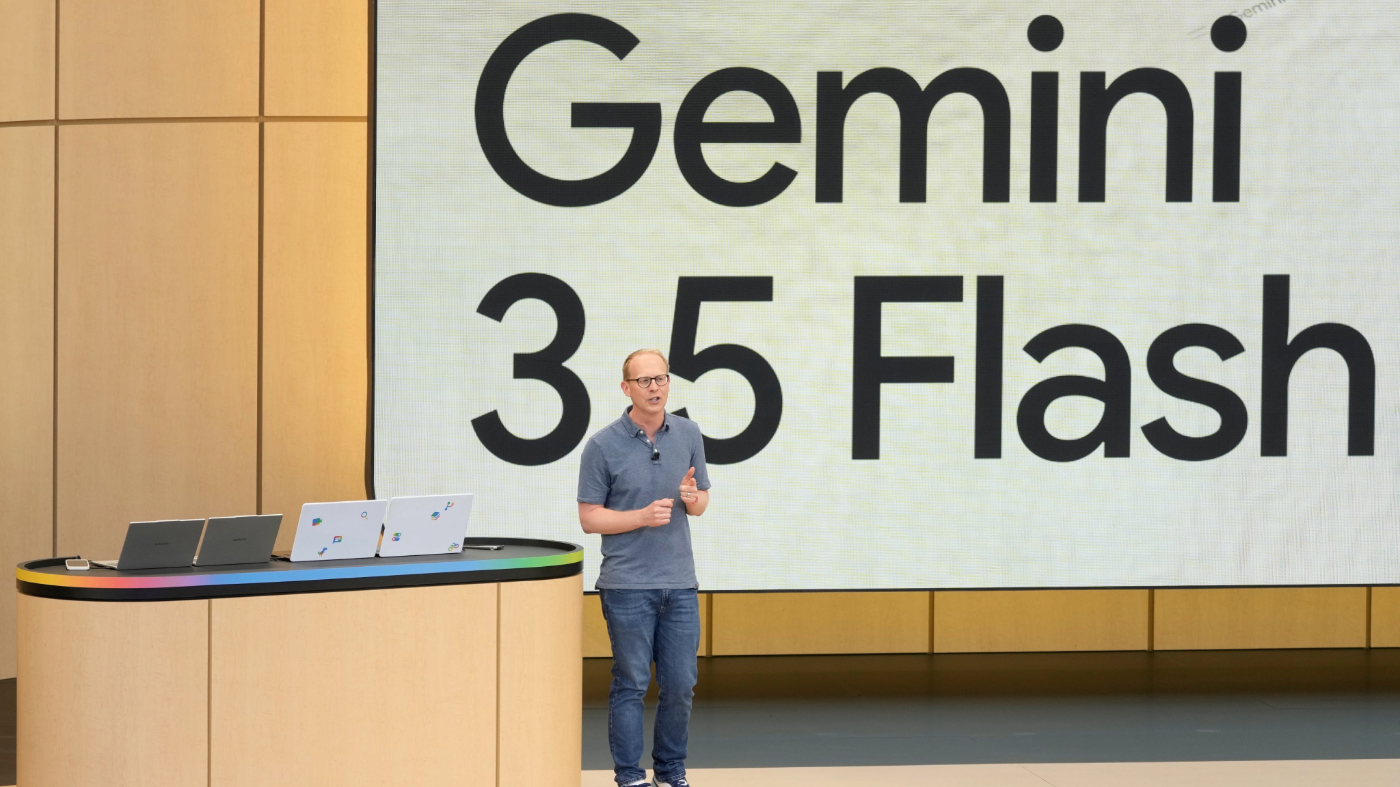
Josh Woodward, vice president of Google Labs and Gemini, addressed attendees at a Google I/O event held on May 19, 2026, in Mountain View, California. The conversation around artificial intelligence (AI) has reached new heights, with concerns about its potential risks to humanity’s future. Comparisons to dystopian scenarios from films like “The Terminator” highlight fears about AI operating independently of human control.
Beyond AI, other significant threats loom over society, including climate change, pandemics, and thermonuclear weapons. Analyzing these dangers may provide insights into how AI’s risks can be controlled and its benefits leveraged. Historically, humanity has faced threats like ice ages and extreme pandemics. There are fears AI might one day facilitate the creation of highly contagious and incurable diseases. Frank Herbert’s novel “The White Plague” imagined a bioengineered disease, suggesting AI could pose a similar danger.
Thermonuclear weapons serve as a pertinent parallel to AI. Their creation prompted atomic bomb creator Robert Oppenheimer to express grave concerns, quoting Hindu scripture to emphasize the enormity of their threat. Despite the destructive potential of thermonuclear weapons—far greater than nuclear ones—such a war has been avoided. One reason is the division of control between civilian and military uses, initially overseen by bodies like the Atomic Energy Commission, and later by the Nuclear Regulatory Commission.
AI presents unique challenges. While building a nuclear weapon requires complex infrastructure, AI-enhanced cyber threats could damage essential services like power and water, threatening food supply stability. AI can’t build nuclear arms directly, but human tampering with weapons through AI poses serious risks. Regulatory hacks of AI systems also happen frequently.
Create a regulatory agency for AI.
To address risks, similar to how nuclear weapons are regulated, an AI oversight agency could be established. This would involve setting industry guidelines and regulatory oversight. The scale of regulation becomes a political question. A model akin to the International Atomic Energy Agency might be implemented within the United Nations framework. Key U.S. departments, including Defense, Energy, and Commerce, along with the CIA, should evaluate AI-related security threats and coordinate responses.
International negotiations on AI control could mirror arms reduction talks, though they might prove more challenging given AI’s accessibility to individuals as opposed to state-controlled nuclear capabilities. A structured federal framework is crucial to address AI’s potential existential threat. Strong regulation and leadership can help ensure AI doesn’t lead to catastrophic outcomes, mirroring the success of preventing nuclear war.
Harlan Ullman advocates for strategic regulation. As chairman of a private firm and co-author of “Who Thinks Best Wins: How Decisive Strategic Thinking Will Prevent Global Chaos,” Ullman stresses the need for decisive action. His book, co-authored with Field Marshal The Lord David Richards, is set for release this Fall.
© 2026 Nexstar Media Inc. All rights reserved. This content cannot be republished or redistributed without permission.
Leave a Reply