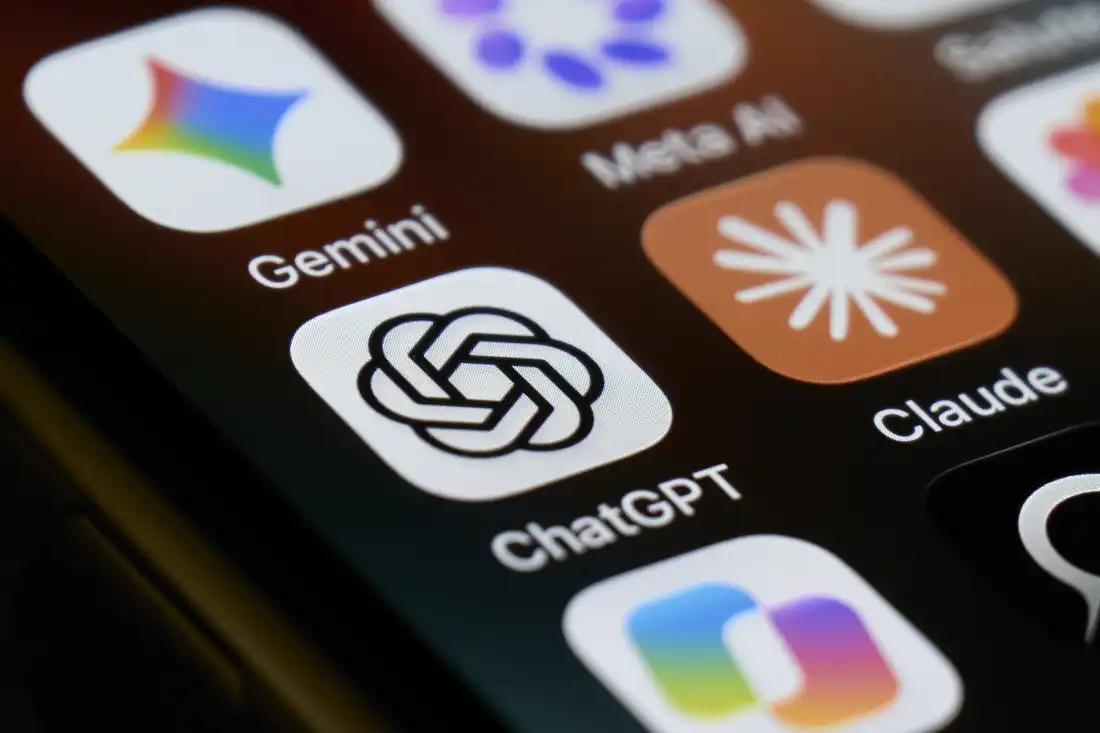
Survey data from Common Sense Media reveals that nearly half of 9-to-12-year-olds have interacted with an AI chatbot or companion. By age 13, this figure rises to nearly three-quarters. AI chatbots are increasingly becoming part of daily life for American youth.
Two recent surveys have shown that almost two-thirds of tweens and teens use AI chatbots. Most use these tools to assist with schoolwork, and for companionship and emotional support. However, certain uses have been linked to worsening mental health symptoms.
A survey by the online safety advocacy group Common Sense Media discovered that AI usage begins early—years before children reach the minimum age of 13 on many popular chatbots. By the age of 13, nearly three-quarters of children have used chatbots.
The JED Foundation, a mental health advocacy group, conducted another survey. They found that 90% of the 5,500 surveyed students aged 9 to 17 across the country have used an AI chatbot. Nearly two-thirds use these for both schoolwork and as companions when experiencing stress, loneliness, anxiety, or feeling overwhelmed.
Developmental psychologist Anne Maheux of the University of North Carolina, Chapel Hill, highlighted the rapid change in AI use by children and teens. She noted that a few years ago, AI technology was not widely used by this age group.
Fifteen-year-old Arjun Sharda from Round Rock, Texas, uses AI chatbots like OpenAI’s ChatGPT and Google’s Gemini to practice sample test questions and to understand concepts outside the classroom. Seventeen-year-old McKenzie Craig from Raynham, Mass., uses chatbots to manage tasks when overwhelmed and to edit her assignments with feedback from AI tools.
Sharda and his peers also turn to chatbots in times of stress, especially concerning school tests. For instance, he sought reassurance from ChatGPT about his potential performance and GPA following a difficult chemistry test.
Some chatbot uses are linked to worse mental health
The JED Foundation also examined students’ symptoms of well-being and mental health. Psychologist Kayla Anderson noted a correlation between AI use when in emotional distress and poorer mental health and well-being outcomes. A history of suicidal thoughts and attempts was more prevalent among these users.
Anderson clarifies that the data does not establish a causal link between AI use and poor mental health. It’s unclear whether AI contributes to poor mental health or if students in distress are more likely to use AI.
Preliminary findings from other researchers suggest a bidirectional relationship between chatbot use and poorer mental health among youths. Students with existing mental health issues may seek AI for help, but this usage could potentially worsen their mental health challenges.
In an upcoming study of middle schoolers, Maheux and her colleagues found that students using chatbots for companionship grew lonelier over time. Similar outcomes were observed in young adults.
Maheux explains that while AI may provide immediate relief from emotional distress, reliance on the technology can hinder the development of coping skills to manage daily stresses. This reliance might lead to deteriorating mental health over time.
Leave a Reply