Artificial intelligence (AI) is uniting Americans across party lines as the midterm elections approach. According to an NBC News Decision Desk poll, concerns about AI’s rapid growth have resonated with Republicans, Independents, and Democrats alike. When asked about their political affiliation, 34% identified as Republican, 29% as Independent, and 37% as Democrat.
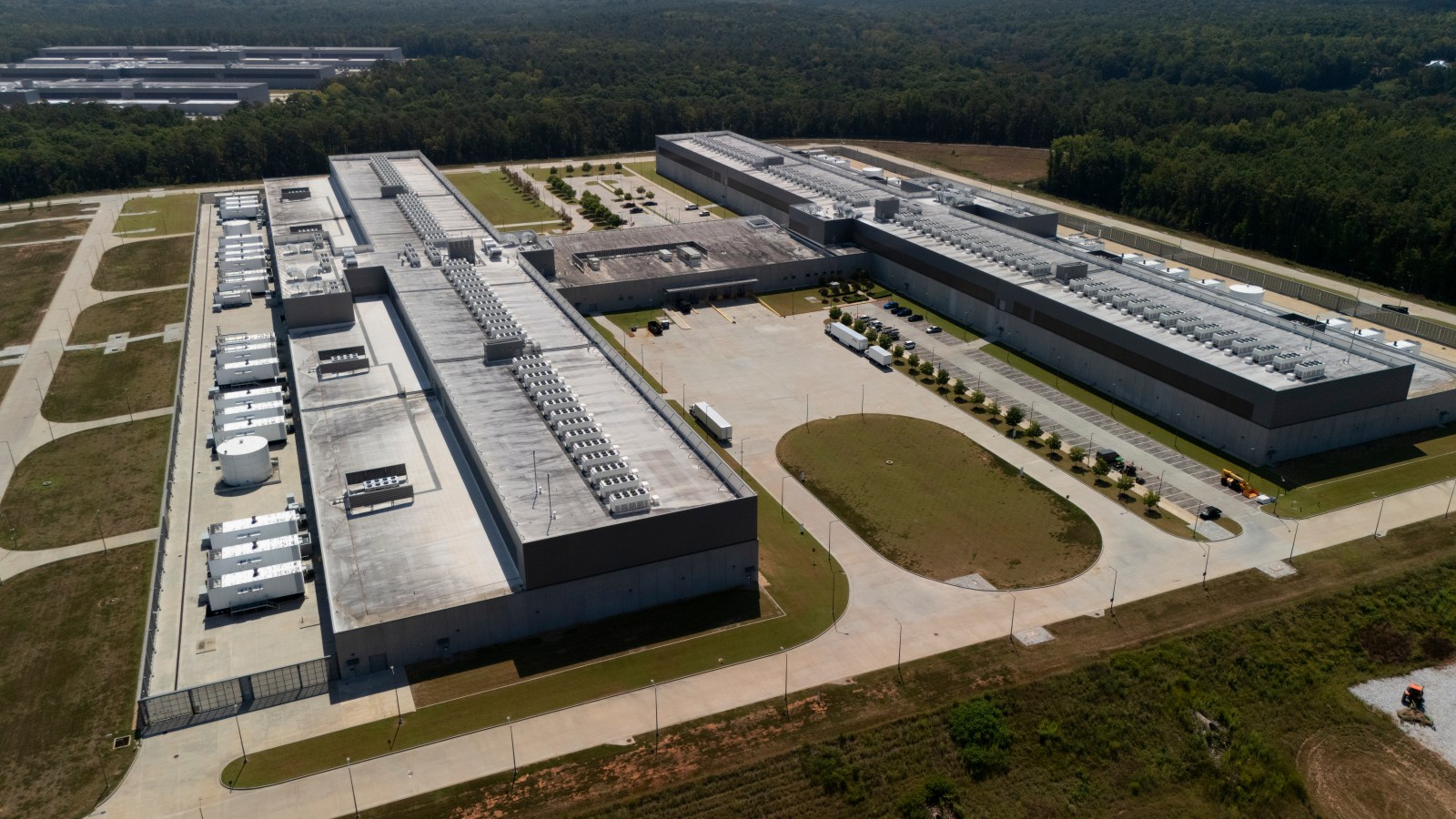
The poll reveals that 69% of Americans oppose building an AI data center nearby, with 45% strongly opposed. Only 31% support a local AI data center. Additionally, 70% express worry about AI, in contrast to the 30% who are more excited.
Concerns about AI span political divides, impacting local communities directly. When questioned about which party they trust more for AI policy, 44% said neither, 20% chose Democrats, 16% sided with Republicans, 5% trusted both equally, and 15% were unsure. NBC News noted that demographic differences typically prevalent in American politics have faded with AI concerns. Men, women, those with various educational backgrounds, and residents from both urban and rural areas share unease. Even tech-savvy young people match older individuals in their apprehensions.
The poll surveyed 7,105 adults online from August 20 to September 1, with a margin of error of +/- 3.3 percentage points.
Gates on AI Dangers and Data Center Debate
In related developments, Bill Gates highlighted the quiet nature of public AI discussions, expressing urgency for better safeguards. He warned of potential cyber threats, bioterrorism, and broader social impacts. Restricting data centers alone, he argued, won’t slow AI advancements as firms might relocate them. Newsweek contacted the White House for a statement.
The debate over data centers centers on their resource demands and infrastructure costs. Supporters cite economic benefits, while critics fret over local resource stress and potential utility rate hikes. These debates have elevated data centers into a prominent political issue.
As the Trump administration pushes for expanded AI capabilities, Texas Governor Greg Abbott voices opposition to data centers, citing local resource concerns. His directive halted 1,800 projects, emphasizing that data centers shouldn’t drain community resources or disrupt neighborhoods. He labeled these standards as Texas-wide.
Midterm Election Dynamics
With midterms nearing, communities weigh proposed projects against potential economic gains. Former President Trump, on Truth Social, warned that rejecting data centers risks economic setbacks. He argued these projects lower taxes and create jobs, claiming China benefits from opposing stances on data centers.
The poll indicated that 38% are either extremely or very concerned about China’s AI leadership, with a majority of concerns stemming from Republicans. When asked about China leading in AI, 28% were somewhat concerned, and 34% were not or minimally concerned. Vice President JD Vance noted common associations of data centers with rising bills and discussed strategies to integrate power back into the grid.
Columbia University Professor Robert Y. Shapiro told Newsweek that bipartisan consensus on data centers means no political party, including Trump, will uniquely benefit from the issue.
AI Impact on Society and Economy
Pertaining to jobs, 53% believe AI will harm more than help, 27% predict more benefit, and 20% are undecided. The survey indicates 81% think governmental regulation is lacking, as opposed to 19% believing it’s adequate.
Approximately 30% rate AI’s societal benefits as high, 38% see moderate benefits, while over 30% identify low benefits. Regarding democracy and elections, 64% forecast harm, 14% see benefits, and 22% are uncertain. AI’s impact on healthcare is viewed positively by 47%, while 30% have a negative outlook.
Over half the respondents use AI regularly, while 26% rarely and 22% never engage with it. For further details, contact Newsweek editors Jason Lemon and Anthony Murray.
Leave a Reply