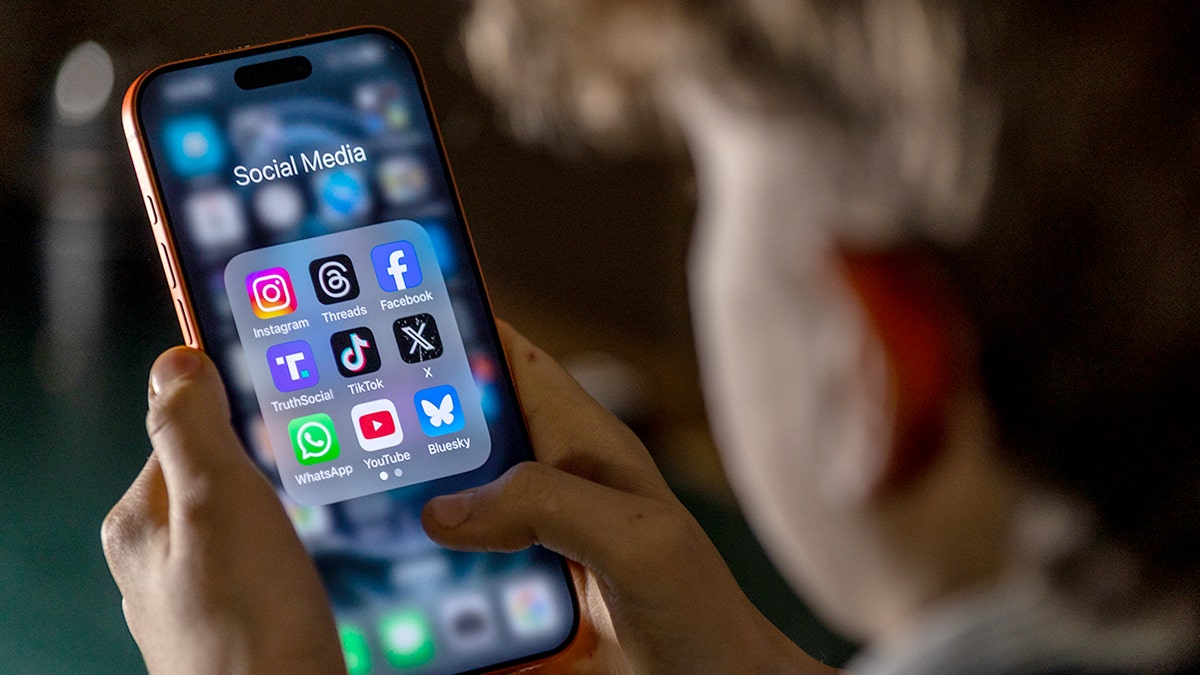
Imagine posting photos from a concert on Instagram, only to get an email the next day that claims to offer exclusive photos from the event. It mentions the artist and date you attended, making it seem legitimate. But what if it’s a scammer using AI to craft this message based on your social media posts?
Researchers at the University of Texas at Arlington warn about AI tools collecting personal details from public social media accounts to create deceptive phishing emails. AI’s ability to mass-produce such personalized scams is concerning.
Personalized AI Phishing
Most of us have encountered phishing attempts claiming issues with our bank account or delivery problems. We’ve learned to identify generic scams. But AI allows for a personalized approach, called context-aware spear phishing, where scammers use your social media activity to tailor emails specifically for you.
An example: After a vacation in Brazil, a scammer might analyze your photos and send an email looking like it’s from your hotel — complete with a discount offer and links to a fraudulent site.
Shirin Nilizadeh from UTA highlights the ease with which attackers can use your public posts to create credible messages.
AI Generating Convincing Scams
Researchers, including Elham Pourabbas Vafa and Sayak Saha Roy, showed that analyzing as few as ten social media posts could suffice for writing targeted phishing emails.
They tested over 18,000 AI-generated messages against real phishing emails. The AI tailored emails seemed more relevant, customizing subject lines, sender names, and content to match recipients’ recent activities.
The Challenge of Detecting AI Phishing
Even though safety tools exist, they often fail to detect phishing requests. Researchers found default settings of tools like Llama Guard and ShieldGemma caught only 0-19% of attempted phishing requests. Adjusted safeguards improved detection up to 99% in controlled tests.
The lack of everyday protection remains troubling, emphasizing the importance of public content management to defend against AI-driven scams.
Steps to Prevent AI Phishing Scams
- Make your social media accounts private: Limit account visibility to approved followers. Review and adjust privacy settings regularly.
- Avoid sharing real-time location: Post vacation photos and travel plans once you’ve returned home to protect your current whereabouts.
- Verify unexpected emails: Don’t rely on links; access companies directly through official apps or verified phone numbers. Be wary of emails urging immediate action.
- Install strong antivirus software: Protect devices against malware and suspicious sites. Keep the software updated and security features enabled.
- Use a personal data removal service: Reduce availability of personal information on data broker sites, making yourself less vulnerable to scammers.
- Employ strong passwords and multifactor authentication: Ensure each account has a unique password. Employ additional security measures like authentication apps.
- Keep devices updated: Opt for automatic updates to seal potential security gaps. Report phishing attempts using your email provider’s options.
- Take action if you click a suspicious link: Immediately stop interactions with the site, scan for malware, change compromised passwords, and review account activity. Notify financial institutions if needed.
What Comes Next?
To safeguard against AI phishing, reconsider the information shared online. Expect AI companies to enhance their defenses against these phishing methods.
AI’s advancement makes scams more credible, demonstrating the significance of public awareness for online safety. Becoming skeptical towards emails, especially those impeccably timed and accurately detailed, is warranted.
Leave a Reply