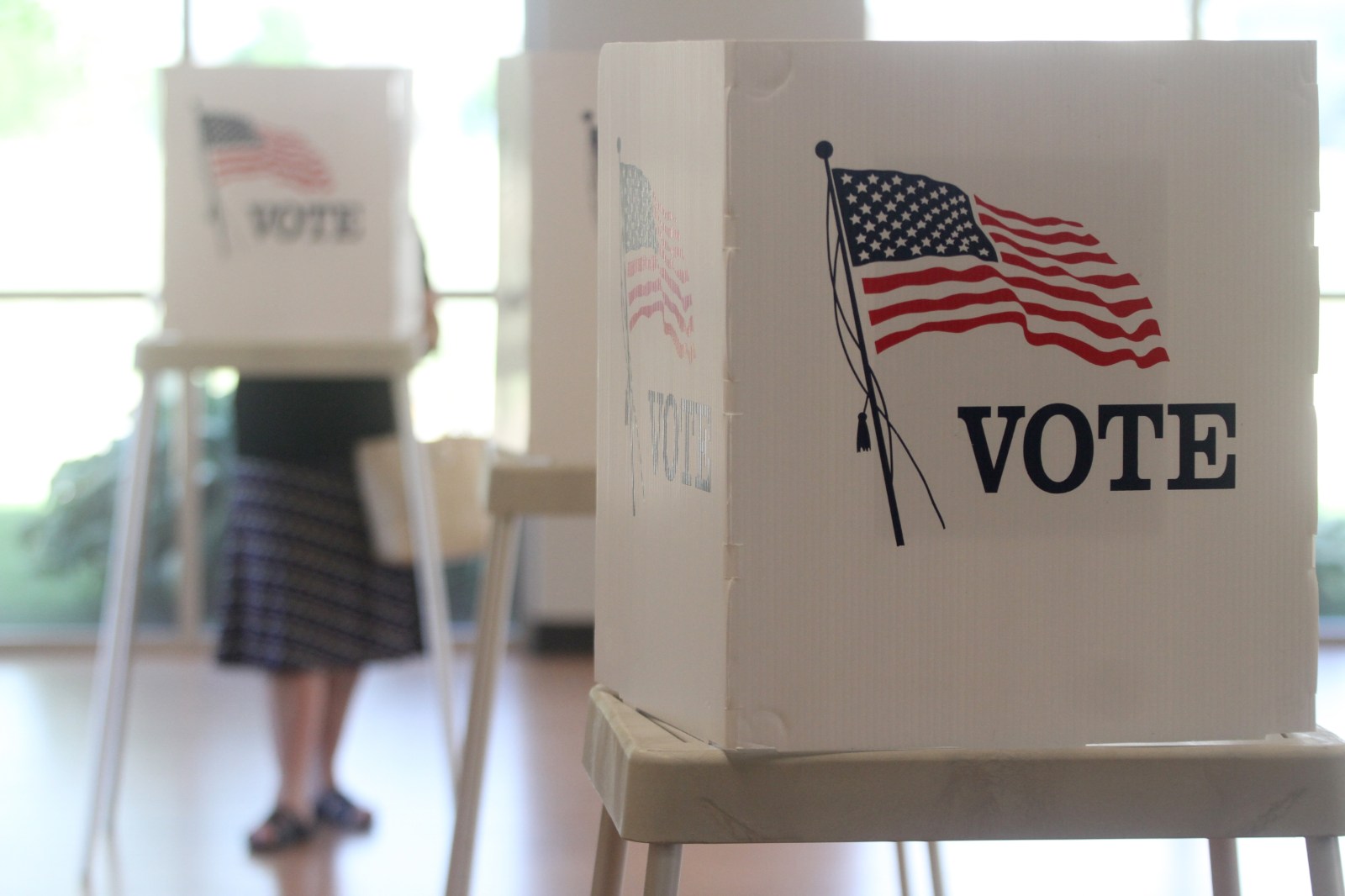
As voters prepare for the midterm elections, scrutiny rises over political contributions from the artificial intelligence (AI) industry. Experts believe this influx of AI-related funds could shape voter perceptions of candidates, though the impact remains uncertain.
Corporate political donations have long influenced American elections. The emergence of AI and the rapid growth of data centers across the U.S. have made the industry’s political contributions a contentious topic. Candidates in key races face questions about whether funds from AI-linked interests could sway their positions on issues like electricity costs, tax incentives, and local data center project approvals.
“Data-center backed candidates may face some backlash by their political association,” said Virginia Tech professor Cayce Myers. “It’s difficult to say that candidates who accept this money will have definitive backlash, but there are some voters where this is the single issue affecting their decision. In an election where there is a tight race a handful of votes can be the difference between victory and defeat.”
AI Donations in Midterm Races
Several races have made headlines due to campaign donations from AI-affiliated organizations. In Texas, Republican Governor Greg Abbott, running against Democratic state Representative Gina Hinojosa, received millions from data center-related donors. This occurred even after he paused data center approvals pending an audit of projects seeking connection with the state’s electric grid.
In Ohio, the Senate race between Republican Senator Jon Husted and Democratic former Senator Sherrod Brown has featured debates over AI-related donations. Brown’s campaign finance records show he received $20,000 from a Google political action committee throughout his career. In contrast, Husted received more than $630,000 from data center-affiliated organizations over 20 years. For the current election cycle, Husted’s campaign reported $11,000 from AI-linked companies, while Brown’s campaign received none.
A spokesperson for Husted’s campaign stated that data centers should remain a local decision supported by the community. “As Ohio’s lieutenant governor, Husted did not have the power to give tax breaks to companies, and any claim otherwise is an outright lie,” added the spokesperson. Brown’s campaign responded by accusing Husted of raising electric bills for Ohioans and granting large tax breaks to out-of-state corporations.
Despite direct questions, neither campaign provided assurances that contributions from data center interests would not influence their decisions if elected.
AI: A Growing Concern for Voters
AI remains an important issue for Ohio and American voters. Professor David Cohen of the University of Akron noted in a recent poll that 19 percent of Ohioans consider AI and data centers significant issues. While this figure is lower compared to concerns over the economy and inflation, it indicates voter awareness and concern.
According to Cohen, voter perceptions are influenced by media coverage of significant campaign contributions. “Perception is reality in politics,” he said.
Myers emphasized the immediate impacts on voters, such as rising electric and water bills, highlighting subsidization of big tech and data centers as a concern. Both Republicans and Democrats critique these businesses and their incentives, indicating that data centers will grow as a political issue.
“There is a growing skepticism and criticism of elites and perceived corporate influence in elections,” said Myers. “This connection provides for easy political attacks pitting moneyed Big Tech against regular voters struggling to make ends meet.”
Leave a Reply