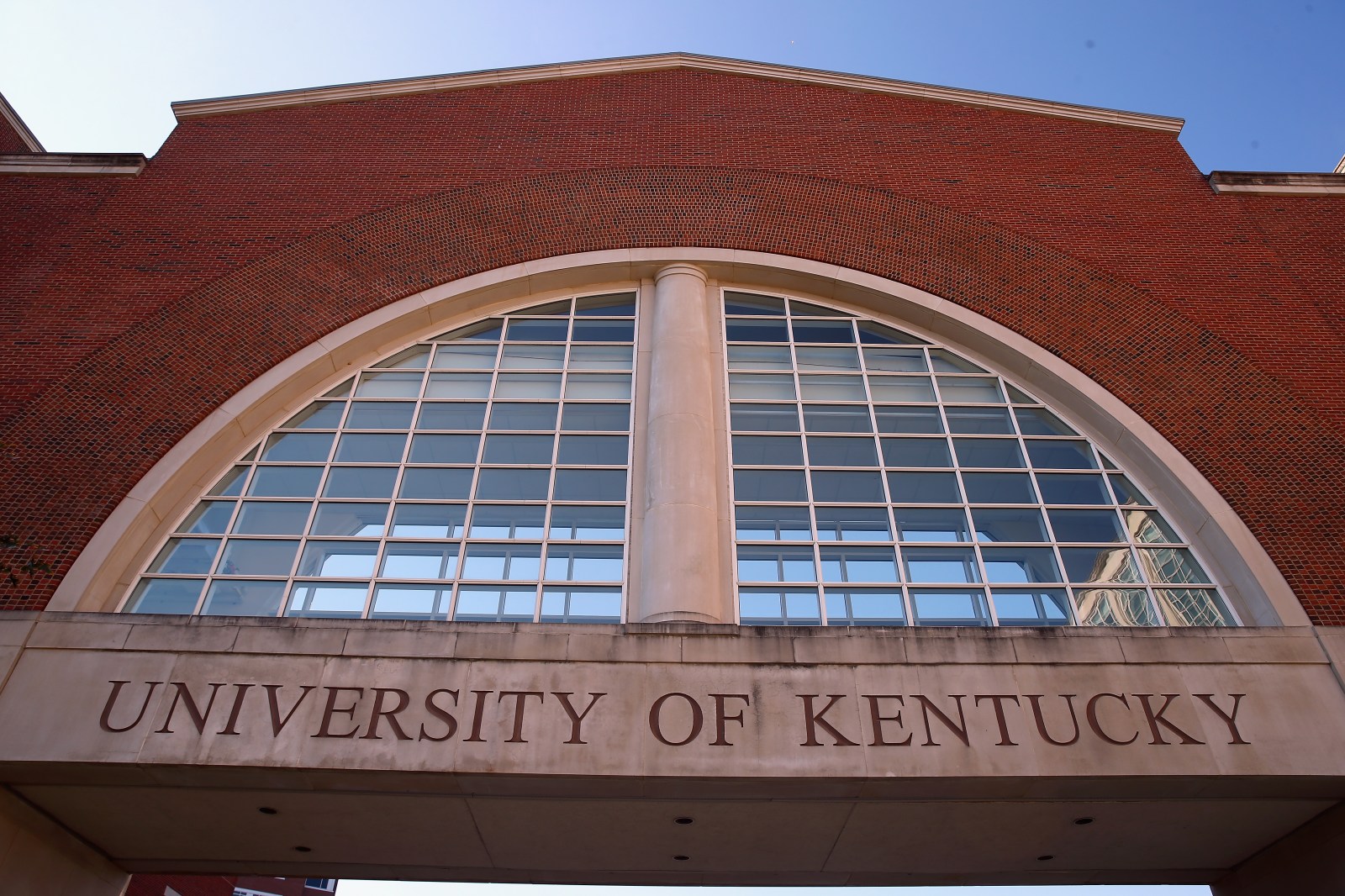
A University of Kentucky employee has successfully secured a religious accommodation, allowing him to avoid using artificial intelligence at his workplace. David Durman, a 45-year-old research administrator responsible for editing grant applications and compliance, pursued this accommodation due to his humanist beliefs, which he felt conflicted with AI technology. Although he was not required to use AI, Durman proactively requested the accommodation, fearing a potential future mandate.
On September 25, the university approved his request, stating it did not place an undue burden on his department. The American Humanist Association (AHA) played a pivotal role in securing this accommodation, marking it as the first known AI-related religious accommodation granted to a humanist.
Durman’s case is not isolated. Erin Maus, a software engineer in North Carolina, also received an accommodation from her employer earlier due to her religious and ethical concerns about AI. As the adoption of AI grows across workplaces, such cases test how current workplace religious protections relate to AI objections.
Durman has identified as a humanist for about 30 years, emphasizing human well-being, autonomy, and ethical reasoning in his life choices. His specific opposition targets generative AI and large language models. Unlike tools like autocorrect, generative AI involves delegating cognitive tasks and decision-making. Durman has also pointed out AI’s broader impacts on employment, the environment, and creativity.
He approached the AHA in late August to help file his accommodation request and, within a month, received approval. The accommodation permits him to avoid personal use of AI in his duties. However, he may still interact with AI-using colleagues or systems. This reflects the university’s steadily growing AI implementation through its Commonwealth AI Transdisciplinary Strategy, or CATS AI, which seeks to enhance AI literacy and access among the university community.
The use of AI at the University of Kentucky includes various AI tools such as Microsoft 365 Copilot, Microsoft Dragon Copilot, and GitHub Copilot, integrated across its campus. The university handles accommodation requests individually, assessing employees’ sincerely held beliefs and job functions.
Religious Exemptions and the Law
Under Title VII of the Civil Rights Act of 1964, workers are protected from religious discrimination, and employers are required to reasonably accommodate religious practices unless doing so results in undue hardship. The protections apply to religious, ethical, or moral beliefs, even if they are not part of a mainstream religion.
In 2023, a Supreme Court decision further clarified that accommodations should only be denied if they lead to substantial increased costs relative to the business operations. Durman’s accommodation was deemed not to impose such a burden.
Religious Debates over AI
Pope Leo XIV and others within traditional religious communities have expressed concerns over AI’s threat to human dignity and agency. Although acknowledging AI’s benefits, the Pope emphasizes its ethical use. However, he has not advocated a complete rejection of AI in the workplace.
The EEOC notes that protected beliefs may vary even within a single religion. Thus, any accommodation related to AI would depend on the individual’s beliefs and the impact on the business.
Defining Humanism
Humanism is a non-theistic philosophy focusing on human agency, reason, ethics, and well-being. For Durman, this means maintaining personal cognitive responsibility. While his stance is not universally held among humanists, the movement supports individual conscience in response to AI.
Leave a Reply