As millions prepare to shop online for Black Friday and Cyber Monday, some retailers like Gap use AI to resolve e-commerce site issues. For about six months, Gap has applied Devin, developed by Cognition, to identify and fix site problems. Devin locates technical issues, finds causes, and provides code fixes for engineers to review and deploy. This tool has helped Gap quickly handle certain glitches that might result in significant financial losses.
Sven Gerjets, Gap’s CTO, shares that Devin has expedited tech problem resolutions. He stresses the importance of smoothing out website experiences to avoid any hindrance that might affect user interaction. Before joining Gap in 2024, Gerjets worked with Richard Dickson at Mattel. He now leads tech efforts at Gap during peak seasons, when order rates soar.
Introducing Devin required a trial with a test group to demonstrate its usefulness. Gerjets advocates broad AI tool access with an emphasis on reskilling employees toward embracing agentic AI. A study with Microsoft compared employees trained just with prompts versus those receiving mindset-focused training. The latter adapted AI into their workflow more effectively. This insight shapes Gap’s approach to employee upskilling. More workers, even designers, now utilize AI in their roles.
Gerjets points out that transforming workflows with AI is key, emphasizing marketing, tech, and product-to-market processes. Reimagining roles within these areas involves organizational and process changes.
“We’re redefining what gets done by people and what gets done by agents,” says Gerjets.
E-commerce Stability at Lowe’s
At Lowe’s, stability is critical post-2018’s Black Friday site crash. Seemantini Godbole, the CIO, mentions improvements in tech infrastructure, including a command center monitoring their platforms. Lowe’s conducts chaos testing to ensure system resilience under pressure, mirroring Black Friday conditions.
During these tests, services may be intentionally disabled to gauge recovery efficiency. They measure downtime detection and recovery timeframes, analyzing post-incident performance to refine processes.
“We engage in introspection after incidents,” adds Godbole.
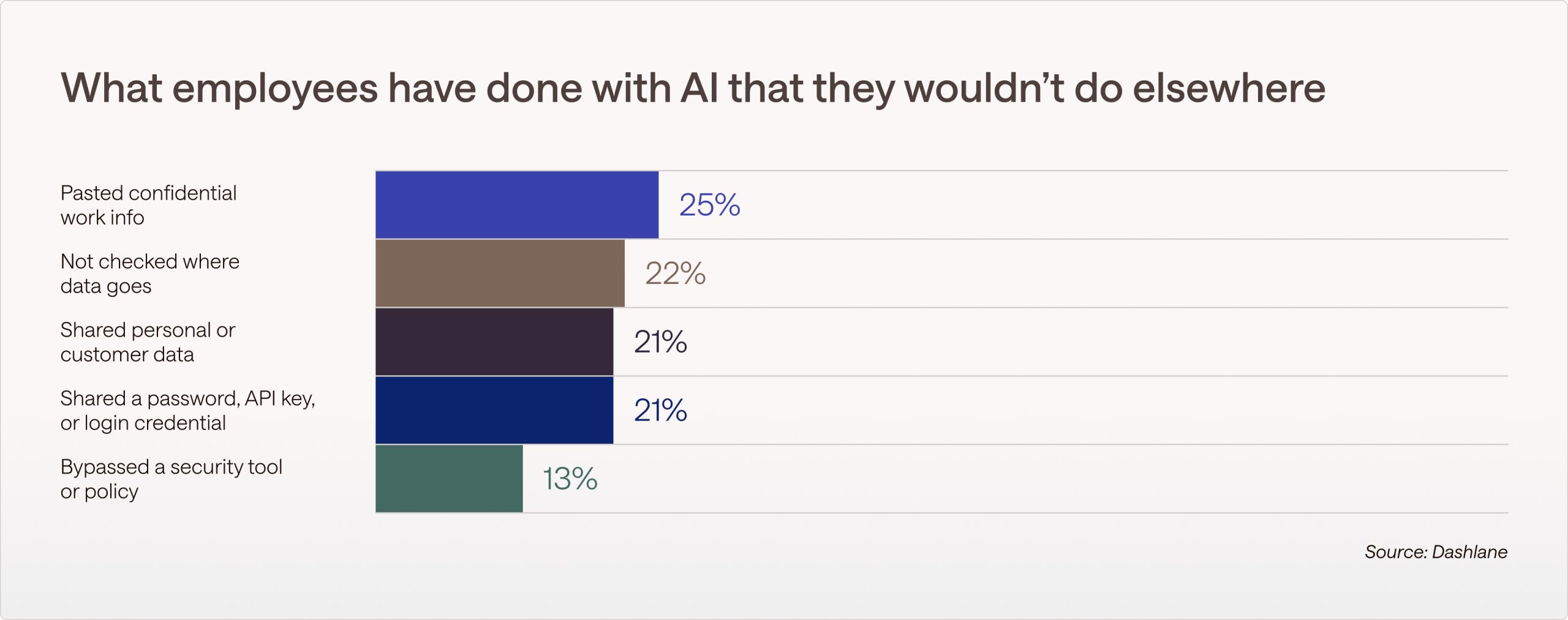
Use of Sensitive Data with AI Tools
A Dashlane survey reveals that 52% of workers are willing to share login details with AI tools, even sharing access that they later realize was improper. This can expand a company’s vulnerability to cyber threats. Frenet from Dashlane suggests cybersecurity training and monitoring tools to curb potential risks.
Leave a Reply