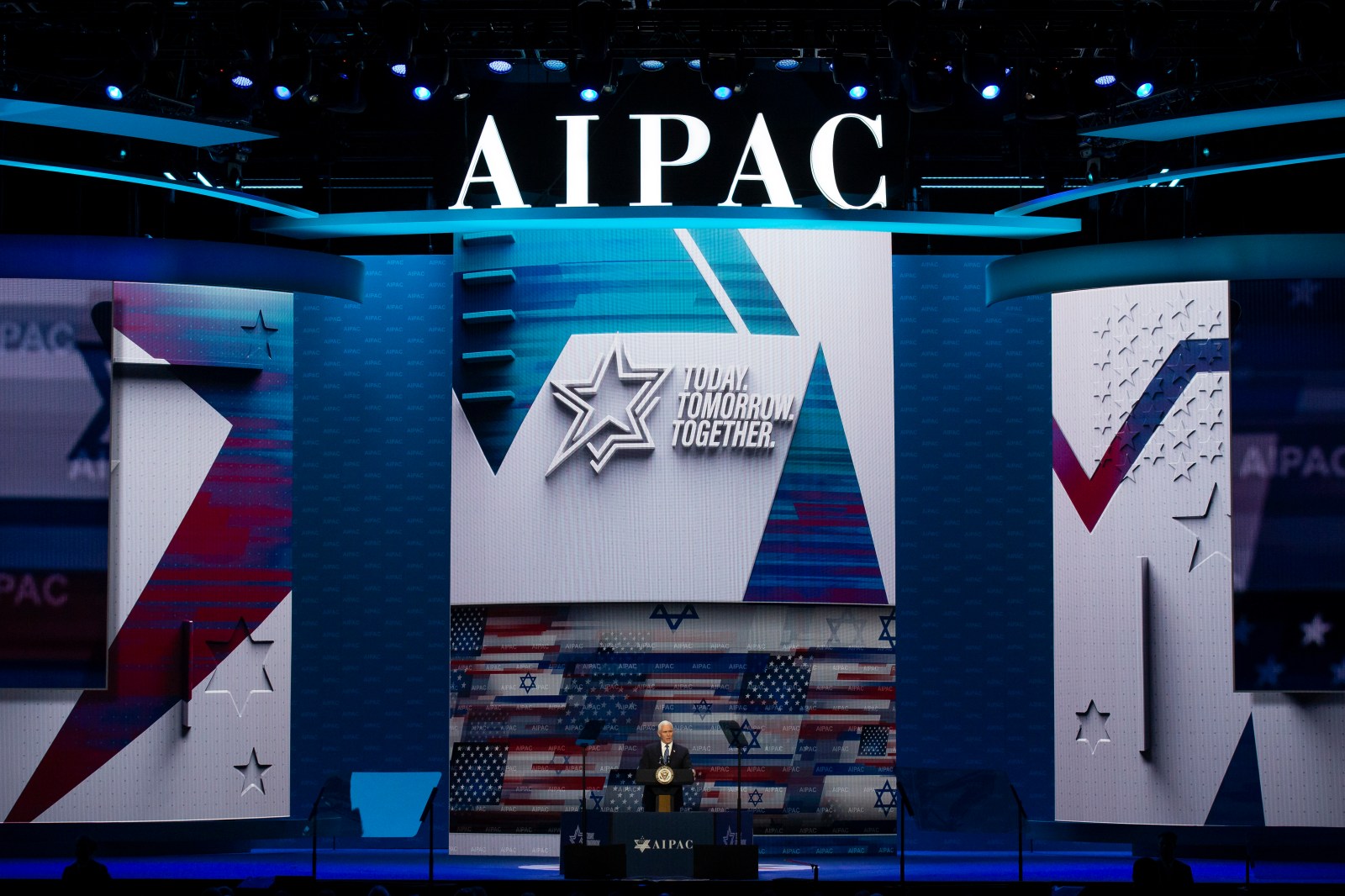
The Democratic Senate primary in Michigan has drawn significant attention and funding, with the United Democracy Project, a super PAC associated with the American Israel Public Affairs Committee (AIPAC), investing nearly $15 million. This financial backing comes with a focus: around two-thirds of the funds support Representative Haley Stevens, known for her recent criticism of Israeli Prime Minister Benjamin Netanyahu. The remaining funds aim to undermine her Democratic opponent, Abdul El-Sayed.
Stevens has publicly accused Netanyahu of endangering Jews globally, a statement that elicited a response from the Israeli leader, branding her remarks as an attempt to justify antisemitism. This dispute underscores the Democratic Party’s internal debate regarding Israel and external political contributions.
The contest for this Senate seat, due to Gary Peters’ retirement, is pivotal. It represents an opportunity for Republicans to claim a Democratic-held seat, making the stakes high. With Michigan as a battleground state, evidenced by its narrow vote margin in favor of Donald Trump in 2024, the Democratic nominee is likely to face Republican Mike Rogers. This ensures the general election remains fiercely competitive.
The United Democracy Project, affiliated with AIPAC, has recently spent significant amounts both in support of Stevens and against El-Sayed. Most recent filings indicate expenditures amounting to $30,129 for Stevens and $54,314 against El-Sayed.
Senator Bernie Sanders, backing El-Sayed, criticized the spending: “This race isn’t just between Abdul and Haley Stevens; it’s Abdul vs. AIPAC. Super PACs funded by billionaires shouldn’t influence American elections or foreign policies. Let’s rally for Abdul.”
El-Sayed has made AIPAC’s involvement a critical point in his campaign, accusing Stevens and the Democratic leaders of “purchasing” a Senate seat. Stevens counters, asserting her independence: “No one owns my vote or policies.”
Federal Election Commission data shows El-Sayed leading the recent fundraising period with $4.57 million and maintaining $2.7 million in reserves, compared to Stevens’ $3.4 million reserve. However, Stevens has previously benefited from AIPAC-affiliated groups, reinforcing her image as a strong pro-Israel advocate.
El-Sayed has been vocal about his stance against the U.S.’s military aid to Israel, criticizing Israeli actions in Gaza and labeling them as genocidal, a claim Israel denies. This aligns with broader shifting public opinion, highlighting divisions over U.S. support for Israel.
Views on AIPAC have changed among Democrats, as seen in a Detroit News/WDIV-TV poll where nearly half of Michigan Democratic primary voters hold unfavorable opinions of the group. A broader New York Times/Siena College poll shows 74% of Democrats opposing further U.S. military and economic aid to Israel. These sentiments reflect in the House where a notable number of Democrats voted to reduce aid to Israel.
Ahead of the primary, tensions between Stevens and Netanyahu intensified. During a debate, Stevens criticized Netanyahu’s leadership and its impact on global Jewish safety. Netanyahu, in return, dismissed Stevens as misleading, suggesting her remarks excused antisemitism.
The Democratic primary race offers a dichotomy of political directions. Establishment figures endorse Stevens, while progressives rally behind El-Sayed. He garners support from Sanders, Representative Alexandria Ocasio-Cortez, and the United Auto Workers, representing a departure from traditional party lines. His progressive policies, especially regarding Medicare and ICE, pose a significant electoral debate.
Recent polling in Michigan paints a fluctuating picture of the race. Some surveys reveal a slim lead for Stevens, while others demonstrate El-Sayed’s competitiveness. These polls, reflecting likely primary voters’ opinions, indicate a closely contested primary. Early voting starts on July 25, and the primary concludes on August 4.
Leave a Reply