Chicago aldermen have sanctioned a $425 million investment aimed at initiating development at The 78, the downtown area set for a new soccer stadium by the Chicago Fire. Supported by Mayor Brandon Johnson, the plan focuses on infrastructure projects, such as a river wall, roads, and Metra track modifications. Half of the funding is designated for a parking facility, a cement foundation, and a public plaza, which planners assert are essential to encourage high-rise construction beyond the stadium.
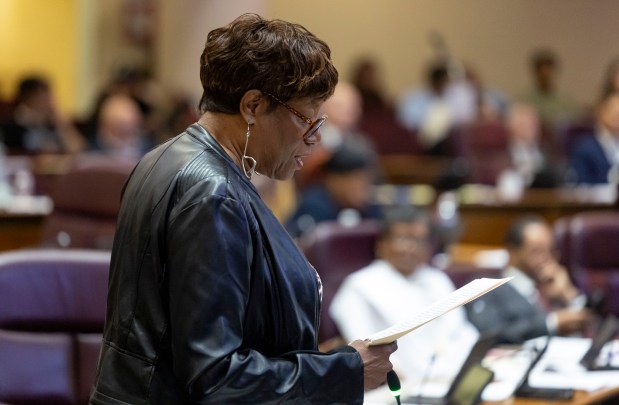
Alderman Pat Dowell emphasized the necessity of private vertical development for city density during a meeting at the City Council. The infrastructure won’t serve the stadium; it’s a catalyst for developing a new neighborhood with housing and business opportunities,
Dowell stated.
The plan drew criticism from some council members, with Alderman Bill Conway arguing against the project’s financing, citing other city needs such as public transit improvements. He noted, spending on a stadium related infrastructure does not align with pressing taxpayer concerns.
Conway also contended that a portion of funds should be allocated for Union Station reconstruction.
Another concern was raised by Alderman Byron Sigcho-Lopez, who suggested that the funds would be better spent on educational needs. He argued the City Council’s prioritization was skewed toward privates interests over community necessities.
Despite the dissenters, the proposal garnered substantial support among aldermen. Alderman Anthony Beale emphasized its potential economic benefits through job creation and city revenue growth. This is exactly how TIF funds should be employed,
Beale argued.
The stadium, dubbed McDonald’s Park, is projected to cost $750 million, with focus now turning to infrastructure investments to invigorate local development.
Aldermen also addressed upcoming referendum questions for city elections, resulting in delays due to political maneuvering. Additionally, they settled a $9 million lawsuit for a wrongful conviction and confirmed Dr. Garth Walker as the new public health commissioner, replacing Dr. Olusimbo Ige who faced controversy during her tenure.
The City Council made further decisions affecting city governance, involving a ban on employees from using confidential information in prediction markets and approving appointments to transit authority boards.
Leave a Reply