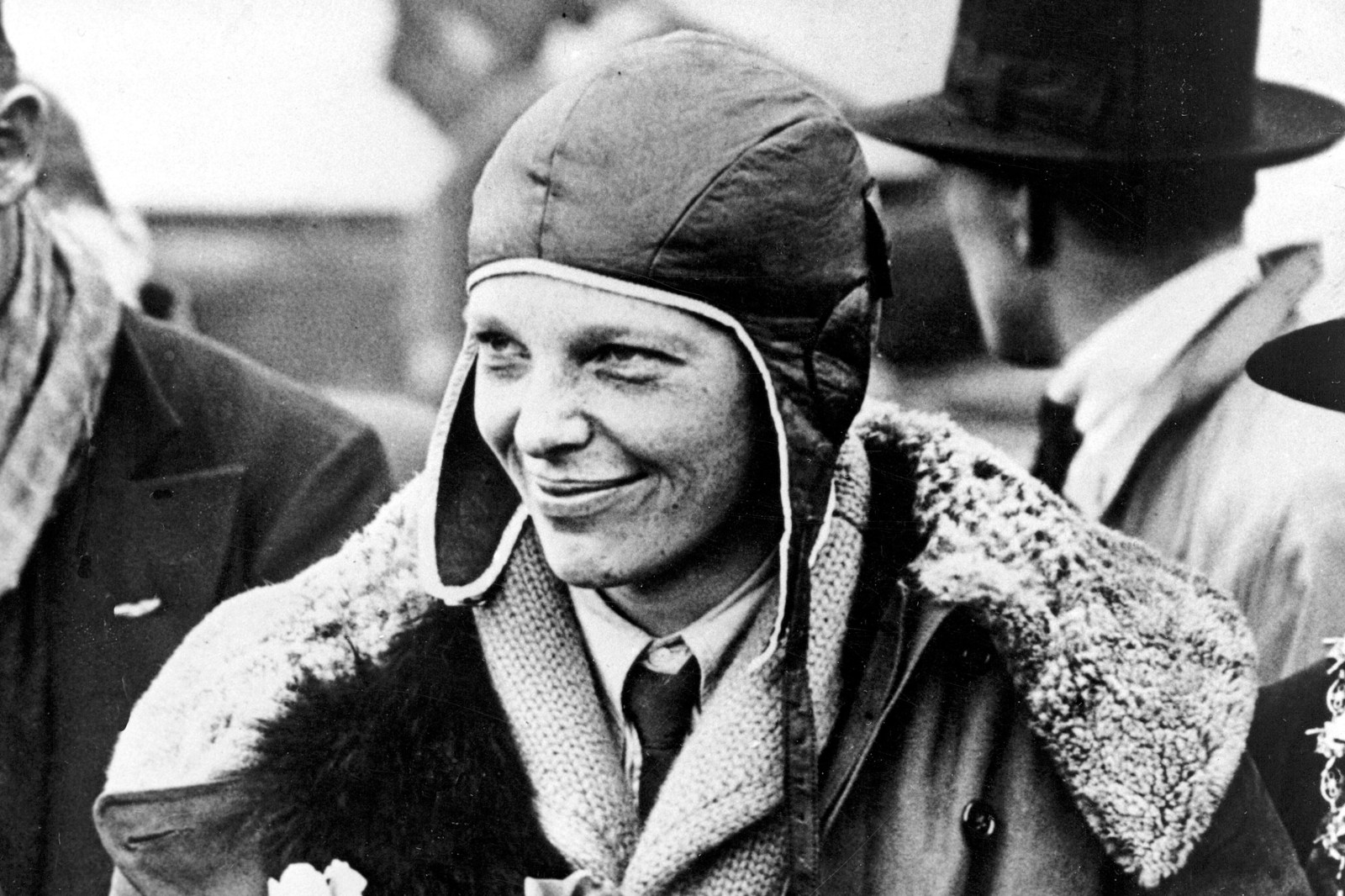
Amelia Earhart’s Last Attempt and the Nikumaroro Expedition
Amelia Earhart famously disappeared in 1937 during her attempt to fly around the world. Nearly 90 years later, researchers may be close to unveiling her fate. Backed by Purdue University, a team is investigating a submerged object at Nikumaroro in the Republic of Kiribati. This remote Pacific location may hold clues to Earhart’s final journey.
The Taraia Object
Identified as the “Taraia Object,” this item appears in satellite images with a shape suggesting parts of Earhart’s missing plane. The research team from Purdue and the Archaeological Legacy Institute (ALI) has embarked on a mission to examine the object using sonar and other techniques, hoping it provides insight into what happened during Earhart’s final flight.
On arrival, researchers started by clearing paths to the site and assessing conditions. They explored the island and encountered large coconut crabs, which didn’t interfere with their work. The team’s focus includes examining lagoon floor conditions in preparation for further research efforts.
The Journey and Disappearance
Earhart vanished on July 2, 1937, aiming to be the first female aviator to circumnavigate the globe. Beginning her journey in Oakland, California, she covered parts of the Americas, Africa, Asia, and Australia. Earhart and her navigator, Fred Noonan, last departed from Lae, New Guinea, heading toward Howland Island. A U.S. Coast Guard cutter was positioned to aid their navigation, but communication issues arose, leaving the final whereabouts of Earhart’s aircraft unknown.
Although the prevailing theory suggests the plane crashed near Howland Island due to fuel exhaustion, the Nikumaroro hypothesis posits that they made an emergency landing on this isolated atoll. The current exploration of the Taraia Object could validate or challenge existing explanations.
Nikumaroro Island Details
Nikumaroro, a remote coral atoll in Kiribati’s Phoenix Islands, is difficult to reach and inhospitable. It has long captured the attention of Earhart researchers due to reports of human remains and artifacts from 1940. While conclusive links to Earhart remain unestablished, this investigation offers potential for new evidence.
The suspected wreckage first gained notice from researcher Michael Ashmore via satellite imagery in 2020. Scholars believe environmental shifts in the lagoon may have exposed it, allowing for further examination. The mission uses sophisticated tools, including magnetometers for detecting metal parts beneath the sediment.
Nikumaroro’s Coconut Crabs
Nikumaroro is home to massive coconut crabs, known for their scavenging behavior. While their capacity to consume remains has been speculated, no direct evidence connects them to Earhart or Noonan. Skeletal remains found in the past were lost, leaving ongoing debates about their identity.
Earhart’s Final Communication
Radio transmissions from July 2, 1937, are vital to understanding Earhart’s fate. She last communicated difficulty with fuel and navigation, unable to secure a position near Howland Island. Despite extensive search efforts, her location remained a mystery.
Bringing the wreckage, if discovered, back to Purdue University aligns with Earhart’s and her husband’s original plan for further research. The current expedition seeks investigation rather than retrieval at this stage. Insights from this mission may significantly advance understanding of Earhart’s historic flight.
Leave a Reply