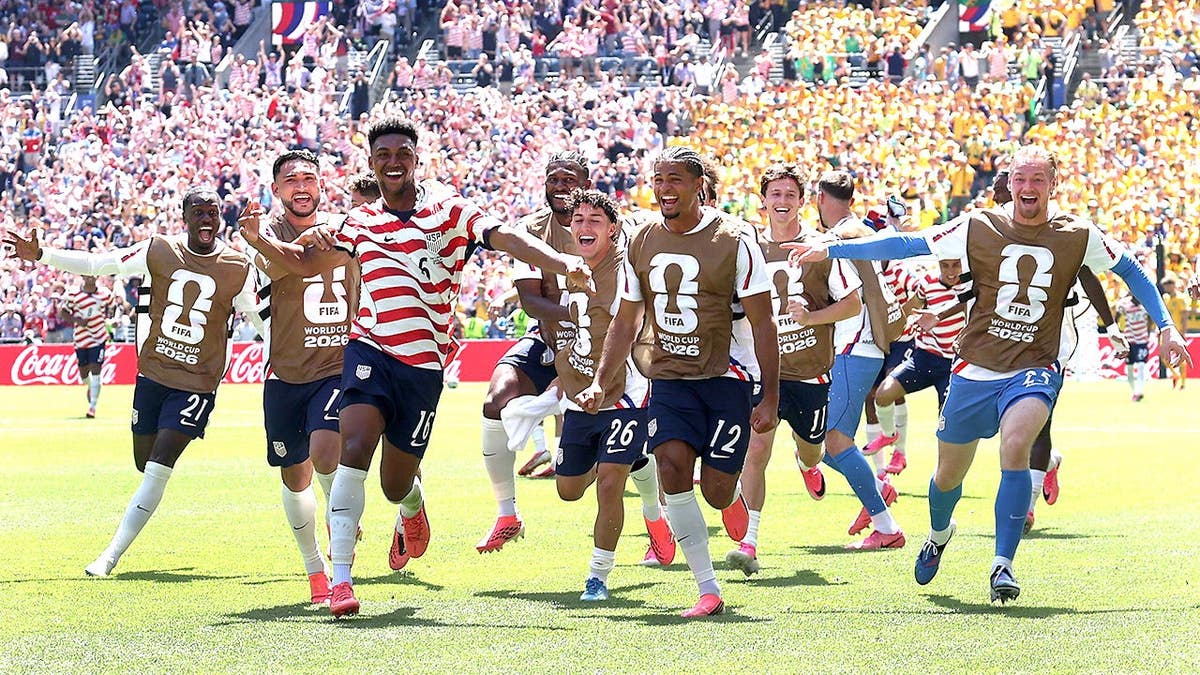
The widespread appeal of American cuisine has drawn attention recently, particularly following the U.S. World Cup victories. Rachel Campos-Duffy, Charlie Hurt, and Griff Jenkins of ‘Fox & Friends’ discuss how international tourists are embracing American flavors, highlighting ranch dressing’s surprising global popularity. The Transportation Security Administration (TSA) has even issued guidelines about packing liquid ranch in carry-ons, further signifying its cultural impact.
In addition to American culinary exports, the U.S. men’s national soccer team is making headlines. Their recent performance at the World Cup demonstrates a new level of competitiveness. For the first time since 1930, they have won their opening two matches. This achievement signals a potential for unprecedented success and has put other teams on notice.
A Brief History of U.S. Soccer Success
Back in 1930, the U.S. team made waves by winning against Belgium and Paraguay, securing a place in the semifinals. This remains the best finish in American men’s World Cup history. Now, the team has a chance to surpass that legacy by transforming their promising start into a successful championship run.
“If Zlatan thinks the United States can win the World Cup, so do I.” – A confident outlook on the U.S. team’s chances.
Most recently, the U.S. triumphed over Paraguay and Australia, clinching first place in Group D without having to travel beyond U.S. soil. These victories have paved a realistic path toward World Cup triumph, showcasing how they can leverage home advantage.
The Path to World Cup Glory
The journey to ultimate victory won’t be easy. The U.S. will play the Round of 32 match against Ivory Coast on July 1 at San Francisco Bay Area Stadium. The brackets present a challenge, with potential match-ups against powerhouses like Belgium, Spain, France, and Argentina as the tournament progresses. Winning would mean proving capable against teams with deeper histories and more experienced players.
Strategic Moves and Team Dynamics
Mauricio Pochettino, the U.S. team manager, must focus on maintaining the team’s identity and refining areas prone to exploitation by top-tier teams. Already reliant on speed and creative playmaking, the team will need to fine-tune their defense and possession strategies.
Although Christian Pulisic missed a match due to injury, his future contributions remain crucial. His role in producing pivotal moments—whether through goals or strategic plays—will be essential as the U.S. advances further. Folarin Balogun’s ability to capitalize on scant opportunities will also be vital.
Player Contributions and Team Confidence
The midfielders, including Tyler Adams, Yunus Musah, and Weston McKennie, must maintain their leadership to push the team forward. Their jobs include disrupting opponents, capturing control in midfield skirmishes, and driving offensive plays.
Defensively, players like Chris Richards and Antonee Robinson need to demonstrate resilience against skilled attackers. Their ability to shut down threats, maintain discipline, and avoid errors will be key.
Culturally, the team must embrace their potential instead of getting caught in underdog narratives. The Americans benefit from playing on home soil and riding a successful path. However, they must exude belief that they truly belong on the world stage.
While the U.S. might not enter as favorites, their position allows them to challenge dominant powers. With strategic execution and player dedication, they stand to redefine U.S. soccer’s global standing, possibly mirroring the success of the U.S. women’s team.
Leave a Reply