The release of the preseason Coaches Poll signals the arrival of the college football season. This offseason has seen debates focus on the rivalry between the SEC and Big Ten Conferences. The Indiana Hoosiers’ National Championship win, which marked a perfect 16-0 season, added fuel to this debate. These events occurred shortly after Texas head coach Steve Sarkisian suggested undefeated seasons were a thing of the past in the NIL era.
As the 2026 season approaches, assessing team or roster strength becomes increasingly complex due to the transfer portal and NIL. This year poses significant challenges, given the turnover among coaches at major programs.
Coaching Changes and Poll Evaluations
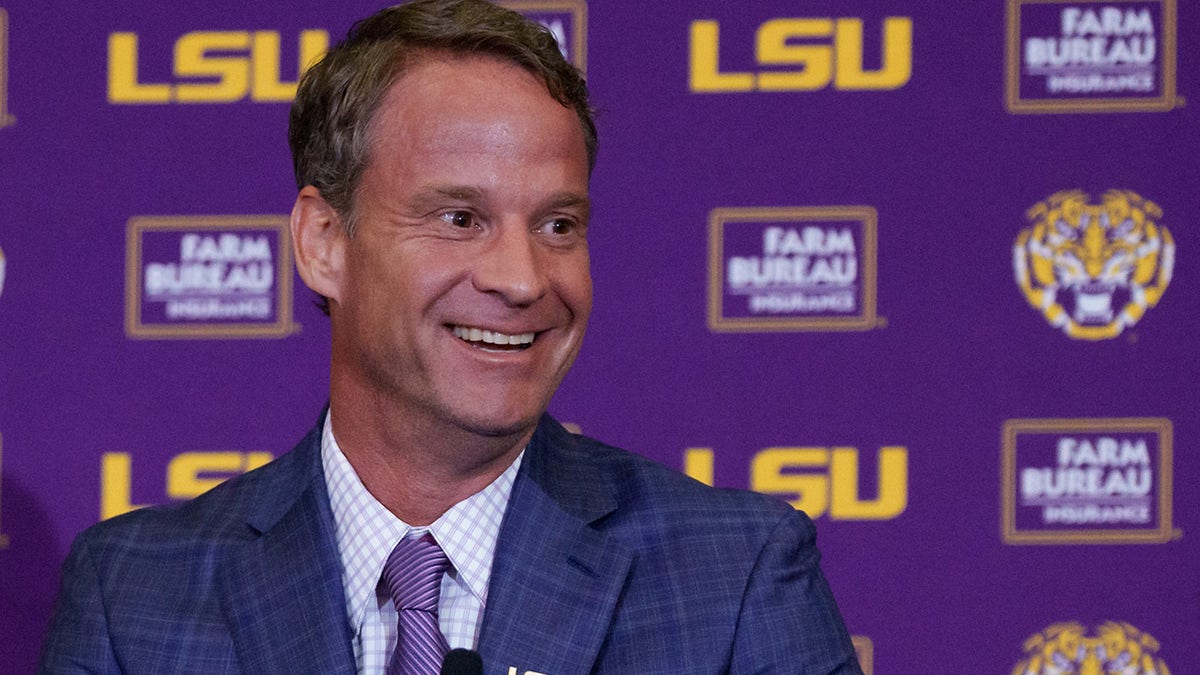
New coaching hires include Jon Sumrall at Florida, Lane Kiffin moving from Ole Miss to LSU, and Pete Golding taking the helm at Oxford. Auburn has recruited Alex Golesh from USF, while Penn State appointed Matt Campbell following James Franklin’s departure. Kyle Whittingham left Utah for a tumultuous Michigan Wolverines program, with Morgan Scalley succeeding him in Salt Lake City. UCLA seeks revitalization under Bob Chesney.
The question arises on how effectively the Coaches Poll, and the staff who contribute to it, have assessed these changes for the 2026 season. While biases exist, analytics-driven ranking systems offer an alternative assessment of team quality. These systems incorporate efficiency in offense, defense, and special teams, accounting for opponent strength. Human voters, however, decide on the weight of wins and losses in rankings.
Comparing Rankings
For further evaluation, we look at the SP+, developed by Bill Connelly at ESPN. The system ranks teams based on past performance, returning talent, and recruiting strengths. SP+ and the Coaches Poll almost align for the top teams: Ohio State and Oregon are leaders in both, with Georgia and Texas following closely. Notre Dame is higher in SP+ compared to the poll.
Top teams show consistency in quality assessment, but poll biases emerge mid-rankings. Oklahoma and Ole Miss, both playoff contributors last year, are ranked higher in the Poll than by SP+. The SEC’s reputation often influences expectations and rankings, but success is not guaranteed, as seen with Florida and LSU’s 2025 performances.
Undervalued Teams and Misses
Despite SEC biases, some teams may be undervalued. LSU ranks lower in the poll than in SP+, despite strong transfer acquisitions and quarterback potential. Tennessee, too, appears underestimated, aiming to better last year’s results in critical matches.
Texas Tech presents another case; exploiting NIL and the transfer portal has rapidly improved their standing. Despite being shut out by Oregon in playoffs, their offense and defense promise a strong showing this season. However, the poll ranks them lower than SP+ does.
Conversely, Houston appears significantly overrated in the Poll compared to SP+. Their anticipated game against Texas Tech will contrast ranked perceptions with actual performance.
Overall, the Coaches Poll aligns closely with more data-driven systems, limited by small discrepancies. The dynamic nature of college football means surprises are always possible; Indiana’s rise from a No. 19 start to championship victory last year exemplifies this unpredictability.
Leave a Reply