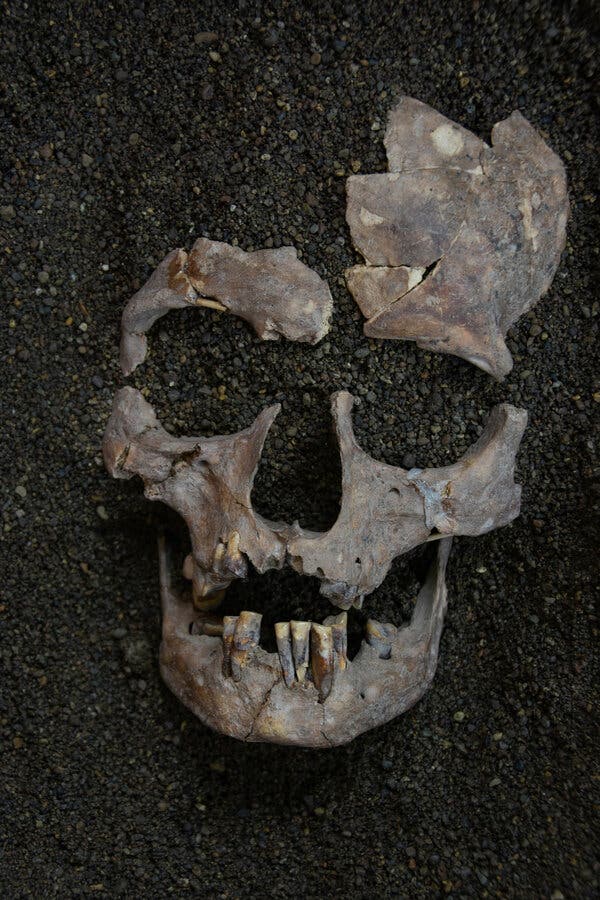
Researchers have unearthed evidence that suggests a hunter-gatherer in Indonesia, dating back as early as 25,000 years ago, may have frequently consumed betel nuts to experience their psychoactive effects. Two skulls discovered on the island of Sulawesi, Indonesia, feature teeth with deep grooves. Scientists believe these grooves resulted from consistent sucking on betel nuts, a practice still common among over 600 million people today.
This finding significantly alters the timeline of human drug use. Previously, the oldest confirmed substance use was the brewing of beer in Israel around 13,000 years ago. This new evidence extends the history of pharmacological use by an additional 3,000 to 12,000 years.
Adam Brumm, a professor of archaeology at the Australian Research Center for Human Evolution, emphasized the commonality of ancient psychoactive plant use. He described the behavior as a deeply ingrained aspect of human history, indicating a broader and earlier engagement with mind-altering substances than previously understood.
The study, published in Science Advances, highlights these findings and provides new insights into the cultural practices of early humans. Betel nuts, known as areca nuts, remain a prevalent stimulant worldwide.
The discovery involved detailed examination of molars found in a Sulawesi cave. These found evidence of cultural engagement and pharmacological experimentation far earlier than many had anticipated, offering a new perspective on how our ancestors interacted with their environment and managed their sensory experiences.
Leave a Reply