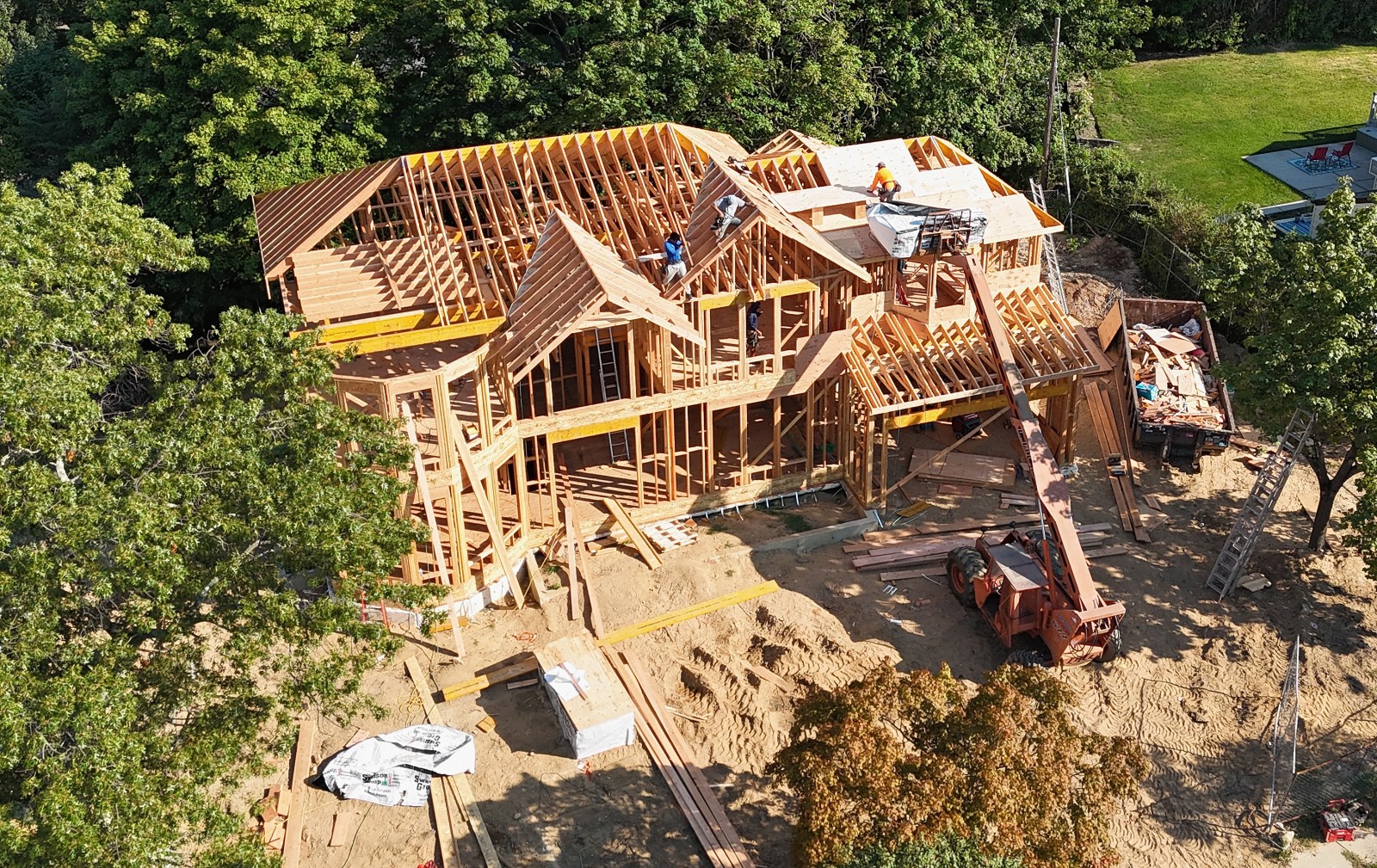
From climate change impacts to the reliance on artificial intelligence, architects are raising significant concerns for the future of housing. As World Architecture Day coincides with World Habitat Day, this year’s theme emphasizes housing as a fundamental human right. The United Nations reports that about 3.4 billion people lack secure and adequate housing globally.
The State of the Nation’s Housing 2026 report by Harvard University’s Joint Center for Housing Studies highlights ongoing affordability issues and economic uncertainties affecting U.S. housing markets. It warns of the increasing damage caused by extreme weather and climate change, with many homes at substantial risk.
The Threat of Climate Change
Architect James Saisakorn from The Turett Collaborative notes that climate change poses a profound threat globally. He stresses the role of architects in promoting sustainable design to develop resilient communities. Saisakorn advocates for transitioning towards multi-family housing near public transit and using sustainable materials like cross-laminated timber (CLT).
Planned Obsolescence in Housing
Architect Daniel Baumann from Henning Larsen points out that climate change is altering safe building locations. Long-term risks, such as flooding, affect current promising sites. Miles Smith from Graphisoft warns against planned obsolescence, emphasizing the need for durable materials to withstand extreme weather events. He underlines that understanding local climate risks should influence design and material choices.
Architect Ben Wan from RODE Architects believes that achieving real change requires persistence and dedication. The industry has made strides in sustainability despite unpredictable economic and political climates. Wan encourages setting ambitious goals and seeking partners who share the vision for a better future.
Prioritizing Residents Over Investment
Baumann cautions against viewing property merely as an investment amid budget constraints and rising construction costs. He suggests that cities thrive when housing prioritizes people, not just profit. He argues for integrating resilience into business strategies rather than viewing it as an extra expense. Flood protection can accompany public spaces like parks and plazas, adding value to projects and neighborhoods.
AI’s Influence on Creative Design
Max Berger from Fogarty Finger Architecture emphasizes the importance of human judgment, experience, and empathy in design. The 2025 AIA study reveals optimism about AI’s role in automating tasks but notes concerns about inaccuracies, misuse of data, and transparency issues. Berger notes that while AI can aid efficiency, it should enhance, not replace, human creativity.
Berger warns against making efficiency the sole success measure, stating that affordable and durable housing should also be livable, comfortable, and beneficial to communities.
Designing for Longevity and Evolving Needs
Smith emphasizes the need to design homes that accommodate changing lifestyles and aging residents. Features like adaptable layouts and accessibility can enable residents to live in their homes longer without major renovations. He also points to a shortage of skilled tradespeople, highlighting the need to promote these roles to maintain a sustainable workforce.
Leave a Reply