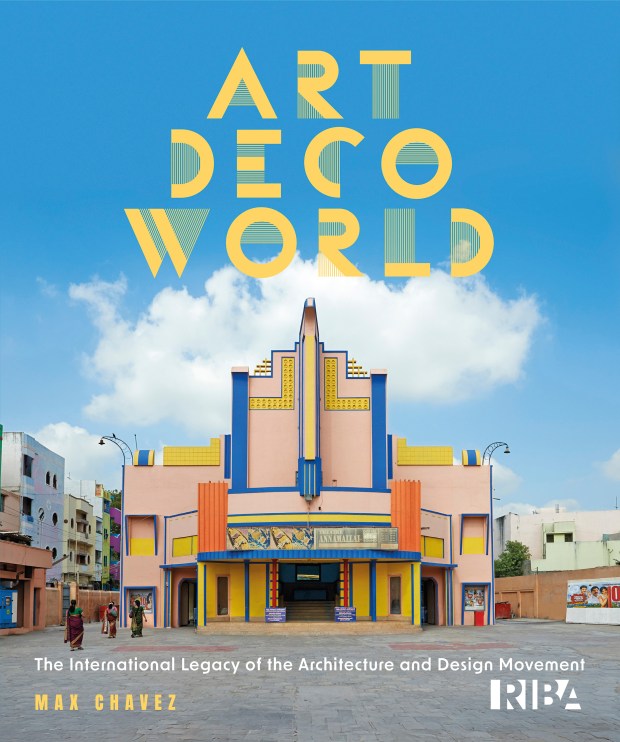
Home decor trends often show the influence of mid-century modern styles, largely due to brands like IKEA. However, a century ago, a more vibrant aesthetic emerged known as Art Deco. This style is celebrated in a new coffee table book called “Art Deco World” by Chicago architectural historian Max Chavez. The name Art Deco comes from the French “arts décoratifs,” and the style gained popularity during the 1925 exhibition of modern decorative and industrial arts.
During the early 20th century, aesthetics shifted away from the heavy, traditionalist styles of the Victorian era. “The first two decades saw a desire to explore modernity,” said Chavez. Technology and industry captivated designers, resulting in the geometric and vertical emphasis of early Art Deco. Iconic skyscrapers like the Carbide & Carbon Building, built in 1929, and the Empire State Building, completed in 1931, exemplified this fascination with engineering marvels.
Chicago boasts numerous Art Deco landmarks such as the Civic Opera House and the Chicago Board of Trade building, both completed around 1930. “Art Deco reflects the economic boom of the 1920s,” Chavez remarked. “It’s gleaming and bright. Hollywood contributed to the sentiment, and optimism post-World War I fueled its popularity.” The period embraced shiny metals, lacquer, rich stone, steel, and glass.
Surprisingly, some of Chicago’s most striking Art Deco examples lie outside downtown, like the First Church of Deliverance in the Bronzeville neighborhood. Originally a hat factory, it transformed into a church with a distinct Art Deco design by 1939. The sleek terra cotta facade was unusual for a church but portrayed modernity akin to a factory. This design conveyed a message of progressiveness akin to high-tech industries.
Large glass block windows, a staple in the industrial era, became prominent in Art Deco buildings for allowing diffused light while maintaining privacy. In Chavez’s words, “It’s a modern, futuristic material.”
Chicago’s major “Art Deco moment” came with the 1933 World’s Fair, dubbed A Century of Progress. This grand event embodied the Art Deco ethos, celebrating technology and modern life. Structures like the Electric Building, featuring water gate entrances designed by renowned sculptor Lee Lawrie, blended ancient Egyptian and Babylonian inspirations with contemporary architecture.
The Chicago Daily News building once housed a mural by John Warner Norton, highlighting movement and dynamism associated with the Art Deco style. Unfortunately, the mural was removed and remains unrepaired. Financial constraints might have deterred its restoration, leaving its fate uncertain.
Although Art Deco’s golden era faded, it saw a resurgence in the 1970s. Historian Bevis Hillier helped redefine the style, emphasizing its cultural significance. The film adaptation of “The Great Gatsby” in 1974 revived interest, perpetuated into the 1980s with projects like Chicago’s NBC Tower and the influence of pop culture, as seen in “Miami Vice.” The period used Art Deco as a shorthand for opulence.
Despite the decline in popularity by the 1990s, IKEA-style Scandinavian modern aesthetics became more accessible. Chavez attributes this shift to Art Deco’s perceived extravagance. Although simplified Art Deco furniture exists, it doesn’t capture the full richness of the original style.
Today’s economic climate may not favor lavish designs, yet the joyfulness Art Deco embodies could enrich surroundings. Chavez emphasizes that Art Deco was accessible to middle-class families in the ’30s and ’40s, appearing in furniture, product design, and even gas stations. The style’s complexity and optimism might counterbalance contemporary sentiment.
Chavez encourages readers to explore “Art Deco World” to appreciate the multifaceted nature of the style. From downtown skyscrapers to neighborhood storefronts, discovering these examples offers insight into an era that sought to answer the questions of modern life.
Leave a Reply