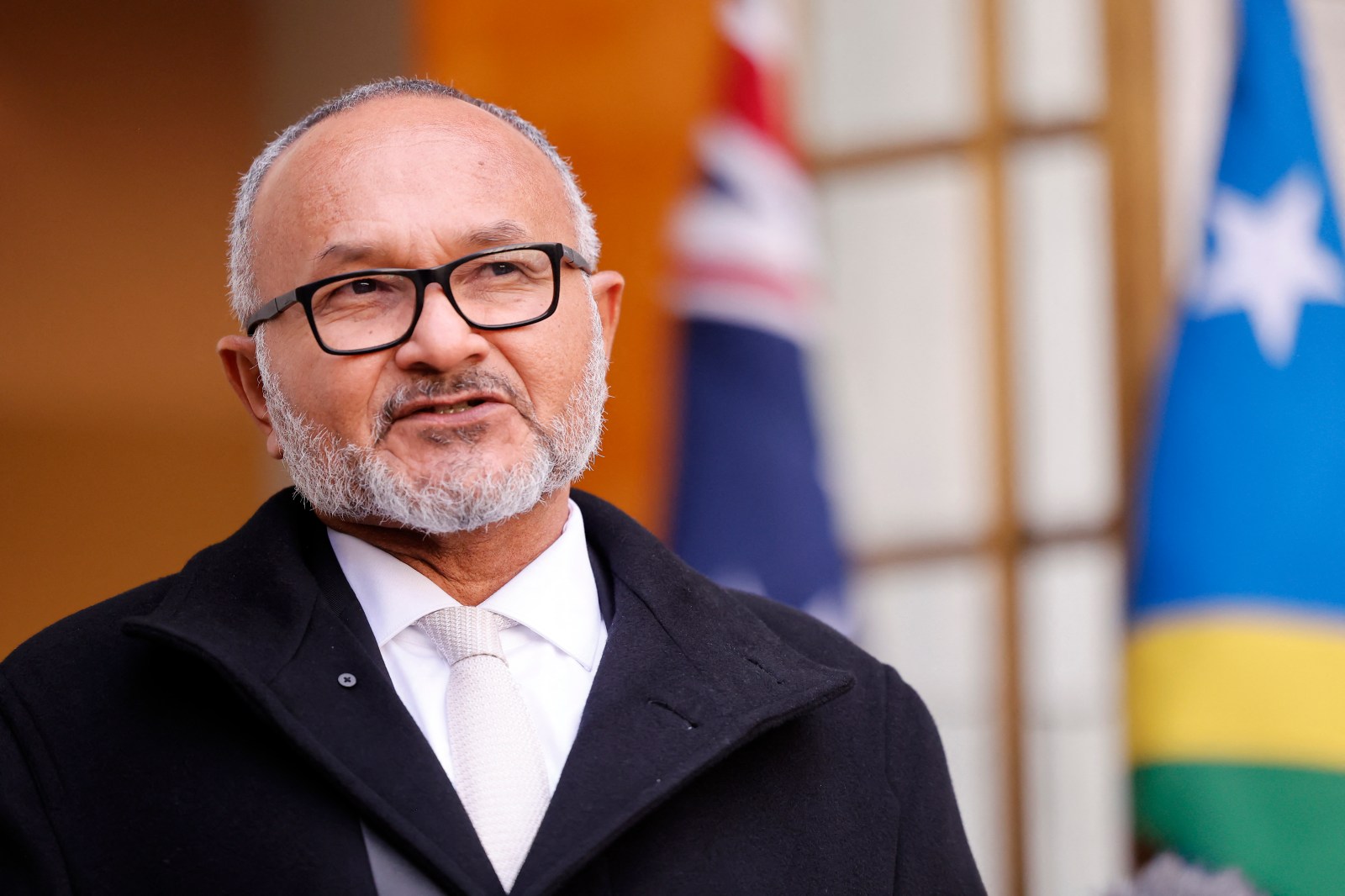
The expected treaty between Australia and the Solomon Islands might impede China’s rapid diplomatic advances in the South Pacific, yet the cost will be substantial. Australia has committed to investing at least 980 million Australian dollars (over 700 million U.S. dollars) in the Solomon Islands’ economy and politics. Confirmation came from a leaked text reported by Australia’s ABC News.
For Washington, D.C., this development is beneficial. The Solomon Islands may soon join other Pacific island nations turning away from China, following Australia’s recent security agreements with Vanuatu and Fiji. Chinese officials have reacted negatively to these losses, having invested over 1 billion dollars in aid to the region in the last two decades.
China faces disappointment with the potential loss of another strategic partner. Both Xi Jinping and Donald Trump recognize the impact of financial diplomacy on small and medium powers, trumping appeals to democratic values.
No Free Lunch
Political deals come with costs. The U.S. learned this 40 years ago through the “compacts of free association” with Micronesia, the Marshall Islands, and Palau. These treaties offered economic aid and protection in exchange for exclusive U.S. military access.
Although Congress passed 7.1 billion dollars in COFA funding through 2043, the notion of taxpayer-funded policies remains politically contentious. U.S. officials valued these agreements as means to counter China’s rising influence in the South Pacific.
China capitalizes on Western neglect across regions like Eastern Europe and Latin America. Since 2008, China has poured 7.5 billion dollars, spending at least 5 billion in Pacific islands development aid, as per the Lowy Institute. This includes grants and loans for Vanuatu and Fiji under Xi’s Belt and Road Initiative.
Australia regained favored status with neighboring nations by pledging a combined 1 billion dollars in fiscal support over 10 years. Although some Australians might question the investment, U.S. officials have credited Canberra for aiding efforts against China in the region.
Trump and Xi’s Diplomatic Approaches
Xi’s diplomatic success stems from recognizing the importance of presence to traditional U.S. partners. Trump shares this understanding. When Armenia and Azerbaijan finalized peace, it coincided with U.S. plans for a 2.5 billion-dollar economic corridor investment to counter Russian and Iranian influence.
A U.S.-New Zealand port funding agreement on the Penrhyn atoll of the Cook Islands further hints at countering Chinese access to critical ocean minerals.
Even Beijing may be surprised by the rapid shift in the Solomon Islands, where the former leader allied closely with China in 2022. Of the 194 million dollars in Chinese aid there, almost all was sent after 2019, according to Lowy Institute data.
In 2022, China aimed to establish a regional economic dominance pact with 10 Pacific island countries, confident in its influence. Yet Beijing may have overestimated its position. This year, Solomon Islands PM Matthew Wale has moderated China’s influence. Bound by a non-disclosure agreement, Wale expressed doubts about China’s reliability as a security ally.
Despite the U.S. and allies seeing newfound opportunities, China remains dominant. Pacific demand for Chinese loans has waned due to debt apprehensions. Still, fiscal limitations at home haven’t stopped Chinese state-owned firms from leading infrastructure development in the Pacific.
Leave a Reply