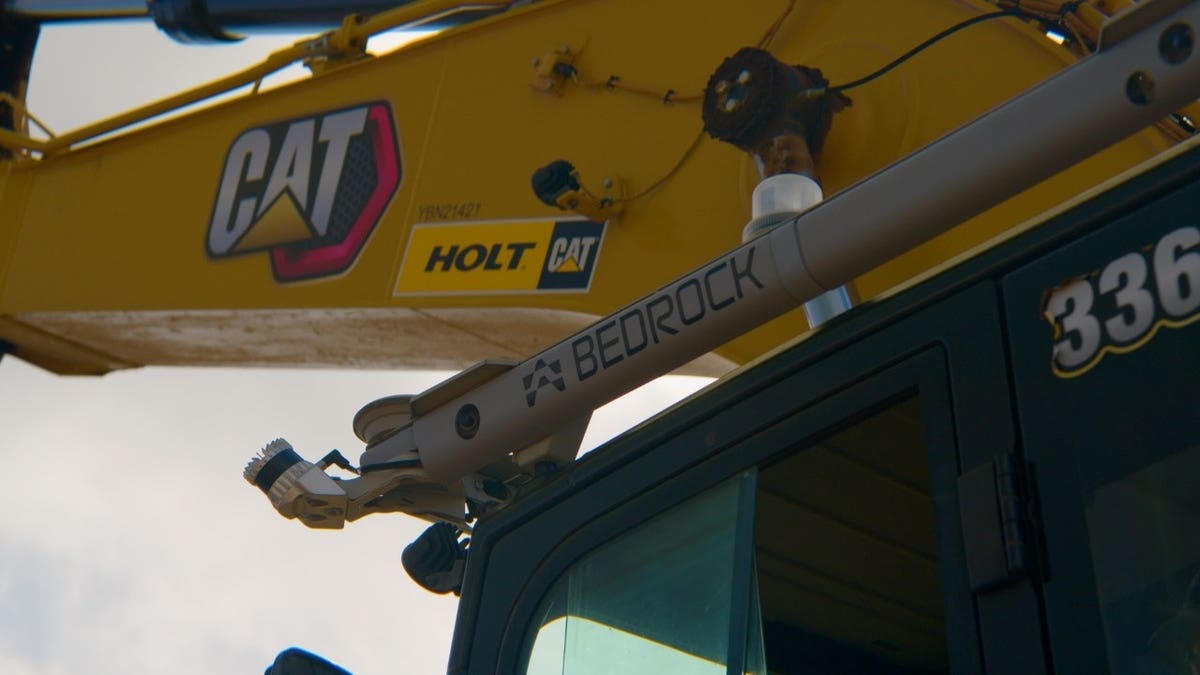
If you’ve ever seen an excavator in action, you might assume a skilled operator is behind the controls. Yet on certain projects in Texas and Nevada, the cab is empty. San Francisco’s Bedrock Robotics is deploying autonomous excavators for real commercial tasks.
Advancements in Autonomous Excavation
Bedrock Robotics has transitioned from testing to deploying operator-less excavators at commercial sites. Their systems have been put to work under human management for a year prior, paving the way for fully autonomous control.
The robots are being seen as a solution to workforce shortages in construction. Bedrock promises increased efficiency because machines never tire or need breaks, unlike human operators.
Robotics in Action
Now, Bedrock’s autonomous excavators are operational on significant projects. One is involved in a water treatment facility project in Nevada, partnered with Sundt Construction. Another project in Texas involves Champion Site Prep, focusing on a large-scale earthworks project.
On these projects, Bedrock’s autonomous machinery is handling initial earth-moving tasks. This phase is critical because delays here affect the entire project schedule. Productivity, Bedrock reports, is nearing that of human operators.
The Bedrock Operator System
Key to Bedrock’s technology is the Bedrock Operator. This system can be retrofitted to existing equipment within a day. It allows machines to autonomously navigate the job site and perform tasks. While the concept is still in early phases, current deployments include machines thoroughly tested by Bedrock themselves.
Safety and Oversight
Safety remains a top priority for Bedrock Robotics as they expand the deployment of autonomous excavators. Machines have built-in monitors that alert human supervisors if intervention is needed. If anything goes wrong, the machine automatically halts until resolved.
Human oversight is minimized but remains a safeguard. Machines are equipped to stop work if objects or people get too close, preventing accidents.
Potential and Challenges
Excavators are complex machines, and the decision to start with them is strategic. They represent a large portion of construction fleets and require years to master, creating staffing challenges. Automation can address repetitive tasks, allowing skilled operators to focus on specialized work.
The construction industry is facing a significant shortage of workers. As a result, automation is attractive to many firms. Larger projects often have substantial budget and time overruns, making autonomous solutions appealing.
Future of Automation on Job Sites
Bedrock envisions a future where machines coordinate operations across project sites, enhancing productivity. For now, they aim to enhance their current offerings and ensure safe operation.
As autonomous technology develops, the role of human workers will evolve. While machines take on repetitive tasks, experienced operators might transition into supervisory roles. They’ll oversee multiple machines, ensuring projects remain on track and safe.
Leave a Reply