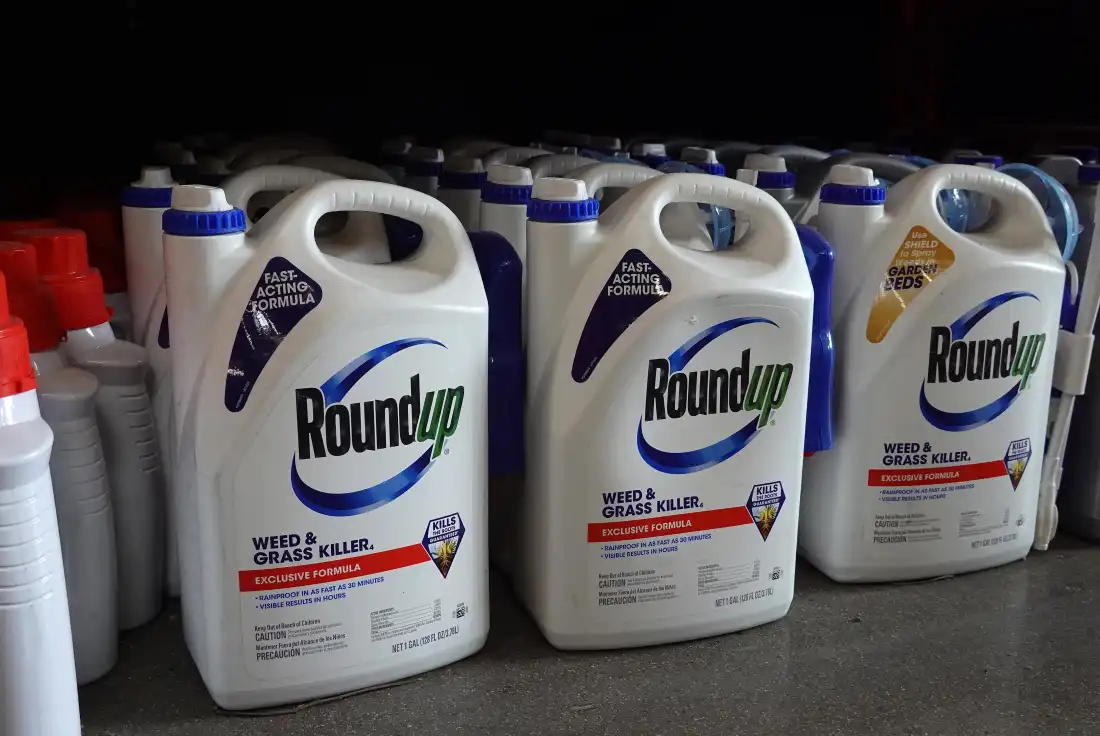
Agrochemical giant Bayer has agreed to a substantial settlement over claims that its weed-killer, Roundup, is linked to cancer. The nationwide settlement, approved by a Missouri judge, may cost the company up to $7.25 billion. This move compensates thousands diagnosed with non-Hodgkin lymphoma, a blood cancer attributed by plaintiffs to glyphosate, Roundup’s primary ingredient.
Compensation from this settlement ranges from $10,000 to $165,000 per affected individual. Several factors, such as occupational exposure to glyphosate and diagnosis age, influence the compensation amounts.
Bayer’s CEO, Bill Anderson, referred to the settlement as a “decisive milestone” aimed at reducing litigation risks. Judge Timothy Boyer described it as one of the largest in mass tort personal-injury settlements.
This settlement follows a recent U.S. Supreme Court ruling favoring Bayer, protecting the company from certain state court lawsuits. The ruling supports Bayer, the current owner of Monsanto, against claims of failing to warn consumers about glyphosate’s alleged cancer risks.
Attorney Christopher Seeger, representing the plaintiffs, highlighted the significance of this final approval. He emphasized that it ensures compensation for those affected by Roundup after a long wait for justice.
This resolution builds on a prior agreement where Bayer consented to settle more than 100,000 related claims for an amount between $10 billion and $11 billion.
The World Health Organization’s cancer agency marked glyphosate as likely carcinogenic to humans over a decade ago. Concerns persist among environmental health scientists. However, Bayer denies that glyphosate causes cancer. The Environmental Protection Agency did not find glyphosate-related cancer risks, despite an ongoing review prompted by advocacy and scientific pressure.
Supporters of Health Secretary Robert F. Kennedy Jr have criticized glyphosate in their health initiatives, contrasting with the previous U.S. administration’s stance. The Trump administration favored domestic glyphosate production and backed Bayer in legal challenges.
Although Bayer removed glyphosate from some U.S. residential products, its use persists in agriculture.
Leave a Reply