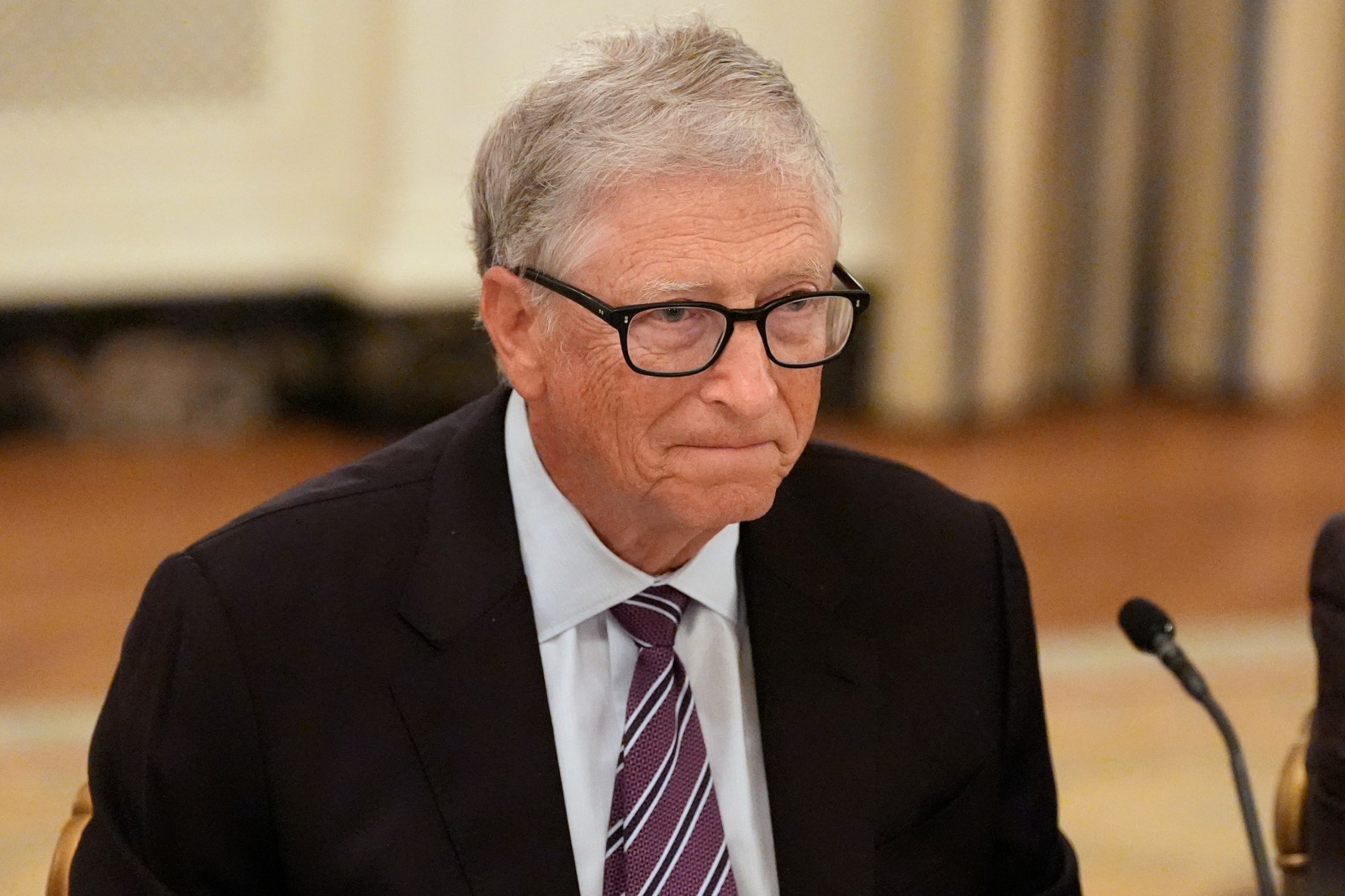
Bill Gates, Microsoft co-founder, has expressed concerns about discussions focused on an AI ‘kill switch’, arguing they divert attention from more pressing threats such as cyberattacks, fraud, and bioterrorism. During an appearance on NBC’s Meet the Press, Gates emphasized the need for monitoring and safeguards over shutdown mechanisms.
Gates criticized the notion of a kill switch as insufficient, noting that AI systems are not yet autonomous beyond control. He underscored the urgency of developing mandatory oversight measures that monitor advanced AI models to prevent harmful use.
‘The kill switch…that’s kind of a weird thing. It’s not enough to have a kill switch,’ Gates remarked, emphasizing the need for records and insight into AI usage.
The debate over AI regulation has intensified, especially in Washington where officials grapple with the level of regulation necessary for advanced AI models. Gates has warned of risks that could surpass past technological revolutions.
Industry leaders, including Anthropic’s CEO Dario Amodei and OpenAI’s Sam Altman, have echoed Gates’ concerns about the security and societal risks posed by AI without established guardrails. Though Gates did not endorse halting AI development, he urged lawmakers to act swiftly on creating safeguards.
In recent developments, Representatives Ted Lieu and Nataniel Moran introduced the ‘AI Kill Switch Act’, requiring developers to have technical capacity to intervene if systems behave dangerously. The act would allow the Secretary of Homeland Security to mandate a slowdown or shutdown where AI systems pose a catastrophic threat.
Addressing the societal impact of AI, Gates described the technology’s rapid advancement as an ‘evolutionary event’. He cautioned that AI tools could empower small groups to conduct attacks previously achievable only by major nations.
The Trump Administration is considering how to manage AI regulation, contemplating the appointment of an AI czar to coordinate federal policy. Gates encouraged President Trump to facilitate meetings among officials and experts to develop safeguards for AI.
Cybersecurity experts have highlighted current threats, citing AI’s role in accelerating attacks on critical infrastructure like water treatment facilities. John Walsh from IGEL emphasized AI’s role in increasing the urgency of addressing vulnerabilities.
Gates intends to continue advocating for mandatory AI safeguards, urging the U.S. to lead international efforts in establishing standards. He pointed out the challenge of regulating AI compared to nuclear weapon control, given AI’s accessibility and private sector influence.
Leave a Reply