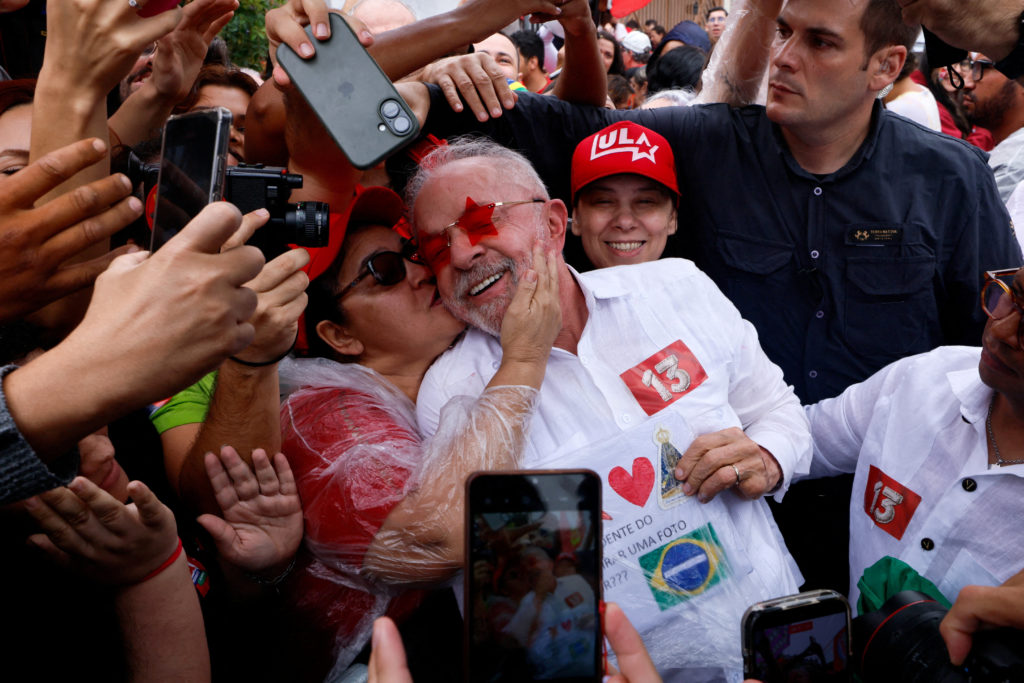
On Sunday, Brazilian citizens began casting their votes in a significant presidential runoff. This contest involves incumbent President Luiz Inácio Lula da Silva and Flávio Bolsonaro. The outcome of this election will have implications for U.S.-Brazil relations in Latin America.
Polls had shown Lula and Bolsonaro locked in a close race, each needing over 50% of the vote to secure Brazil’s presidency. Lula, a veteran left-of-center politician, stands against Bolsonaro, who aligns with U.S. President Donald Trump and is the son of former President Jair Bolsonaro currently imprisoned.
Previously, Bolsonaro led Lula by more than 2.2 million votes in the first election round, although over 33 million of nearly 160 million eligible voters did not participate.
Ideological Differences
Lula and Bolsonaro have significantly different views on topics such as U.S.-Brazil relations, climate change, and social welfare. A Bolsonaro victory would represent a rightward shift in Brazil, aligning with recent Trump ally successes in countries like Chile and Colombia. Conversely, a Lula win would result in two prominent left-of-center leaders in Latin America, alongside Mexico.
Tensions and Concerns
In the previous election, Lula narrowly defeated Bolsonaro’s father, a reminder of Brazil’s polarized political landscape. Voter concerns about economic factors and security loom over this runoff. Lula’s reelection campaign tackles cost-of-living issues, while Bolsonaro emphasizes a tough-on-crime stance.
Both candidates face corruption accusations. Lula’s past convictions were annulled. Bolsonaro is under scrutiny for alleged financial misconduct related to a film project about his father.
Voting and Security Dynamics
Flávio Bolsonaro’s supporters exhibited vocal disdain for Lula, while Lula’s followers showed strong support. Voting outside a Rio de Janeiro school, Bolsonaro emphasized the need for change, insisting that Brazil cannot persist in its current direction.
In his rhetoric, Lula warns of Bolsonaro’s impacts on democracy, highlighting attempts by Bolsonaro’s father. Bolsonaro advocates seeking pardon for his father if he wins. The next president will have influence over the judiciary, with three Supreme Court seats opening soon.
Attempts to Sway Voters
Lula, aiming to capture undecided voters, has focused on measures like small business debt relief and promising weekend public transportation.
His supporters appreciate his legacy of aiding marginalized communities. Luzia da Souza in Rio views Lula as a champion for the impoverished. Others like Anderson Falcão reject Bolsonaro’s vision, fearing harm to less privileged groups.
Bolsonaro’s advocates seek change. Former Lula supporter Fabianne Borges Santoro believes the Workers’ Party has been in power too long and misses economic promises, while Davi Vidal de Negreiros Nobrega Leite Andrade favors Bolsonaro’s plans.
Third-party Voter Dynamics
Votes from third-party supporters like Kelvin Gomes Pimental, who previously backed a different candidate but now sides with Lula, could be pivotal. Unfulfilled expectations with past governance negatively influenced his decision against Bolsonaro.
Alisson Freitas from São Paulo expressed regret for missing the first round and planned to vote for Lula, despite economic concerns under his leadership.
Global Implications and Voting Process
Relations with the U.S. have been a factor, given previous tariffs and accusations of foreign interference. Bolsonaro associates with the Trump administration, focusing on opportunities in rare minerals. However, he denies receiving any U.S. aid.
Brazil uses electronic voting, enabling quick result announcements after polls close at 5 p.m. local time. This process facilitates transparency and efficiency in electoral proceedings.
Leave a Reply