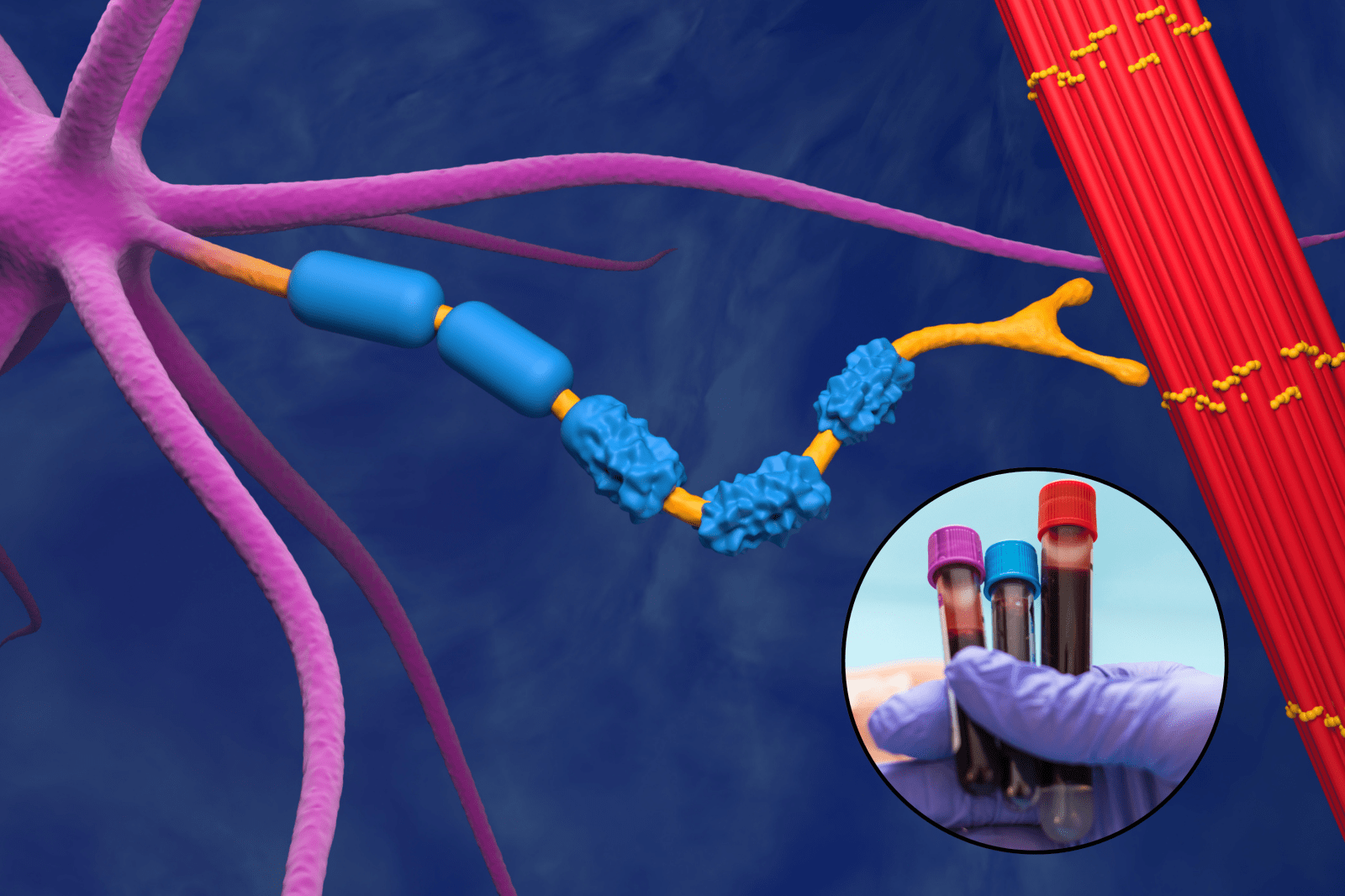
Researchers have discovered proteins in the blood that change before symptoms of amyotrophic lateral sclerosis (ALS) appear. This finding may lead to early treatment for those at risk of this progressive disease. ALS, also known as Lou Gehrig’s disease, affects motor neurons controlling movement. The Centers for Disease Control and Prevention (CDC) reports about 5,000 new cases in the United States annually. Symptoms include muscle weakness, twitching, and slurred speech, progressing to affect movement, swallowing, and breathing.
Blood Proteins Changed Before Symptoms Emerged
The National Institutes of Health-funded Pre-symptomatic Familial ALS (Pre-fALS) study helped researchers analyze data to predict ALS onset. Nearly two decades of data included plasma samples from 137 participants, 33 of whom developed ALS symptoms. Using the proteomic analysis tool Olink, scientists measured over 5,000 blood proteins, identifying 92 with changing levels before symptoms appeared. Machine-learning models pinpointed 19 proteins, including neurofilament light chain (NfL), a nerve cell protein known to rise in blood before symptoms develop.
These models estimated symptom onset with an average error of 18 months, proving effective from six months to five years before symptoms emerged. This research presents a window for early intervention.
A Potential Window for Early Treatment
Dr. Michael Benatar, University of Miami neurology professor, noted the findings offer crucial information for those with ALS-linked genetic variants. Biomarkers provided a reliable timeline, estimating symptom onset with an 18-month average error. This predictive ability aids in testing therapies to delay or prevent disease onset before it becomes apparent.
The study’s validation using UK Biobank data suggests the biomarkers’ relevance beyond inherited ALS. Amy Bany Adams, acting director of the NIH’s Neurological Disorders and Stroke Institute, emphasized the significance of the discovery. She highlighted the urgent need for reliable indicators for individuals with ALS risk genes, especially with new preventative gene-targeting treatments available.
Tofersen, an approved drug for symptomatic ALS, is under study in the ATLAS clinical trial to evaluate its effectiveness in delaying or preventing disease onset when used preemptively.
Dr. Benatar praised study participants for their invaluable contribution. “Their support and participation made this research possible,” he said. “It’s been a privilege to contribute to preventing ALS.”
Leave a Reply