“What a terrible thing,” Brian Cox grumbles. “That’s the one thing I object to.” Even as a Brit, I’ve made the mistake during this video interview, largely aimed at an American audience, of using the terms football and soccer interchangeably.
“Actually,” Cox says, correcting himself. “I object to a lot of things. But the way Americans have hijacked the game… (the NFL) is basically rugby with helmets on… and then they call it football! I find it extraordinary the Americans say that and get away with it. That is not football. Football is when you kick the ball, and football really is the beautiful game.”
Many are accustomed to Cox’s knack for delivering a dry, brutal one-liner. The NFL is not the first or last to catch a stray critique. These quips often come in character, famously as the wealthy media mogul Logan Roy in HBO’s Succession. But in person, Cox is gentler, bounding down the stairs, engaging eagerly with his surroundings. His cats, Pishi and Princess, lounge comfortably.
Only one Logan-style “F*** off” appears, entirely in jest, when Cox’s assistant interrupts early in the interview. “It’s the dress department,” Cox sighs, grinning.
Cox celebrated his 80th birthday recently, yet with his snow-white hair and mischievous smile, he remains vibrant. This discussion, welcoming The Athletic into his Brooklyn home, reconnects him with his roots. He’s the first to feature in ‘Why I Love The Beautiful Game,’ where well-known figures share their passion for football.
Football: A Lifelong Connection
For Cox, football transports him back to childhood. He first admired an emerging Dundee team in Scotland, then found inspiration in Manchester United’s Busby Babes. At this year’s World Cup, he’s hopeful for Scotland, wishing to avoid past “car wreck” World Cup performances.
To Cox, football is about community. “In the United Kingdom, it’s deep-rooted. It’s not trivial. It’s a way of life.”
Was he a player? “Unfortunately, I was hopeless,” he laughs. “I was disastrous. The worst player ever! Embarrassingly, I was last picked. I became ‘I suppose we’ll have to have Cox.’ Sometimes, I wasn’t picked at all.”
He saw his lack of ability as karmic balance. “Football was my weekly humiliation. I was so clever, I had to be humbled by something, and it was my football skills.”
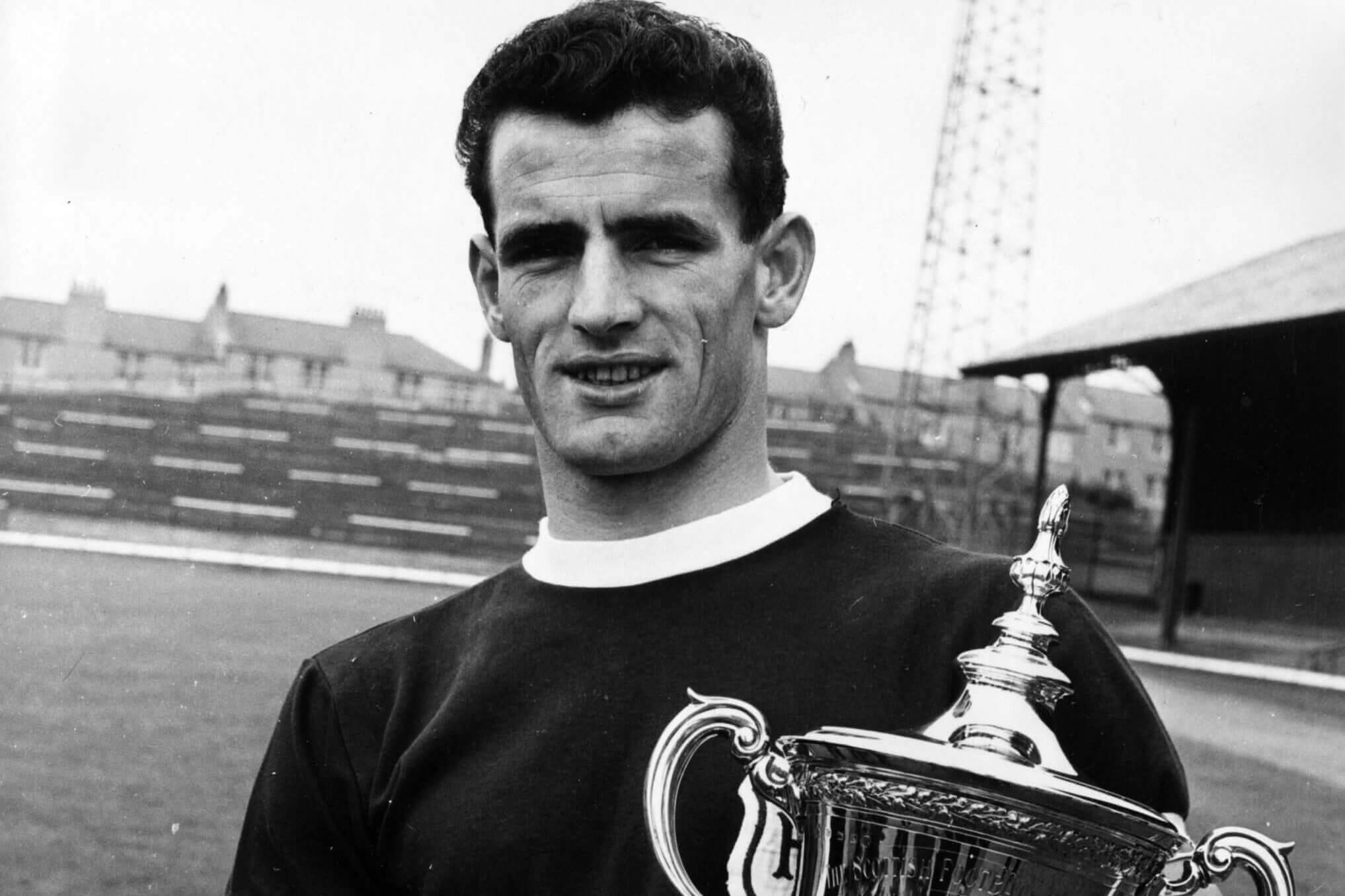
Talent existed in his family, especially brother Charlie. Cousin Bobby Cox excelled, with over 300 appearances for Dundee and as captain in their sole top-flight title win in 1962.
Dundee’s Football History
Brian Cox reminisces about Dundee’s team in the late 1950s and early ’60s, especially their 1963 European Cup semi-final run. Names like Bill Brown, Alan Gilzean, Alex Hamilton, and cousin Bobby elicit fond memories.
Bobby later opened The Sliding Tackle pub. Brian insists Bobby invented the move on the field.
Cox’s first football match was at Dundee United, a team his father supported. Dundee United are fierce rivals with Dundee, sharing a street with only 200 yards separating Tannadice Park and Dens Park. Dundee is now planning a move elsewhere, which saddens Cox as the proximity made the city unique.
Football offered Cox refuge during childhood. His father died when he was eight; his mother struggled with mental health issues, leaving his sisters to raise him. He left school at 15, having begun working at Dundee Repertory Theatre at 14. A scholarship to the London Academy of Music and Dramatic Art at 17 was transformative.
An Accomplished Career
From hard beginnings, Cox achieved significant success, long before Succession made him globally famous. He won Olivier Awards in the 1980s for Rat in the Skull and Titus Andronicus. Braveheart marked his film debut in 1995, leading to The Bourne Identity, roles in X-Men, and Troy. His accolades include honors from the Golden Globes, Emmys, BAFTA, and a lifetime achievement from Rose d’Or.
The awards line his dining room mantle, reflecting his dedication to work over superstition. “Some people have superstitions. Fine, whatever helps. Not me. I focus on doing the work and completing it as best as I can. There’s no qualification for acting.”
A Serious Football Fan
He turns to football again. “That’s what I identify with, a great team’s commitment. I see it with Arsenal. They’ve struggled but are progressing under manager Mikel Arteta.”
Cox’s son supports Arsenal, as do many friends. Cox rescheduled his 80th birthday party to avoid conflict with the Champions League final against Paris Saint-Germain.
He’s attended Arsenal matches at the Emirates Stadium with his son, admiring captain Martin Odegaard and young star Max Dowman, who scored a key goal against Everton at 16. Dowman’s goal amazed Cox: “An empty goal, Pickford rushing back… that was one of the great goals because of the timing and execution.”
Manchester United Loyalty
Despite his fond feelings toward Arsenal, Cox’s heart remains with Manchester United, deeply impacted by the 1958 Munich air disaster that killed eight players and injured more, deeply affecting him as a boy. “I’ll always be a United fan. The tragedy and recovery shaped my loyalty. Duncan Edwards was exceptional, Sir Matt Busby’s leadership remarkable.”
Under Busby, United flourished again with legends Bobby Charlton, George Best, and Denis Law. Edwards was legendary, similar to Georgie Best, who Cox ranks as the best footballer he’s seen. Living near Fulham allowed Cox to witness Best’s extraordinary skill firsthand.
Close Ties to United
Cox portrayed Busby in the 2014 movie Believe. His Scottish ties to United are strong, meeting Sir Alex Ferguson during Ferguson’s Aberdeen coaching days. Ferguson attended Cox’s shows, and Cox sympathizes with David Moyes’ struggles to succeed Ferguson at United.
Now, all three await Scotland’s World Cup return, absent from the tournament since 1998. Cox dislikes the term “nationalist” yet celebrates Scottish contributions, noting inventions like the telephone and television. He feels Scotland is often undervalued in the UK.
Scotland’s World Cup Prospects
How does America prepare for Scotland’s visiting Tartan Army? “Not sure they are!” he laughs. Scotland has faced challenges at World Cups, notably exiting in 1974 without losing. Scotland sometimes faltered with great individual players unable to consistently unite.
Cox praises the current national team for their teamwork, surpassing past performances after prolonged tournament absences. Scotland faces Haiti, Morocco, and Brazil in the group stage. “Brazil is a challenge. But Scott McTominay has been crucial.”
Looking toward potential progress, Cox is cautiously optimistic. If he were addressing the team, he’d advise: “Do what you do best, ramp it up! Play as never before!”
Leave a Reply