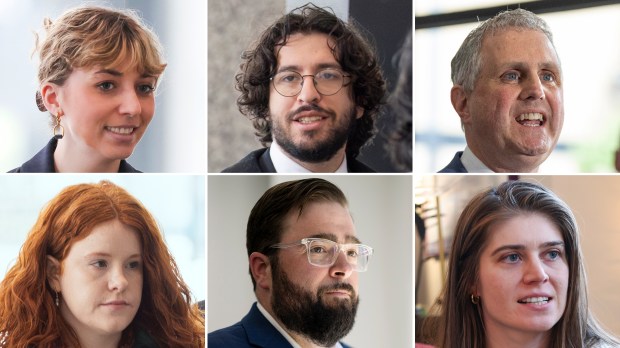
On Oct. 23, 2025, the federal grand jury convened for the third time to consider charges against six individuals accused of obstructing an immigration officer outside the ICE Broadview facility. This session followed contentious previous meetings where grand jurors challenged the notion of felony charges for a protest where no one was harmed.
Initially, the grand jury issued a rare ‘no bill,’ choosing not to indict. During a subsequent meeting, a grand juror dismissed the case as unwarranted and was excused, leading to the postponement of a vote. Despite this, U.S. Attorney Andrew Boutros appeared in the third session to urge jurors to focus on the legal aspects, emphasizing their duty beyond personal beliefs.
The protest involved no clear conspiracy as the protesters did not appear to act in concert. Yet, by day’s end, the grand jury returned an indictment, legally marking the six as ‘Broadview Six.’
Prosecutor Sheri Mecklenburg acknowledged the complexity: ‘I have been doing this for a long time, and even when I look at it, I have to think about it a lot.’ She appreciated the jurors’ insightful questions.
Despite all charges later being dismissed due to alleged grand jury misconduct, the case still impacts the judicial realm. U.S. District Judge April Perry questions possible justice obstruction and contemplates sanctions, including appointing counsel or charging for contempt.
The Year That Followed
In the subsequent year, the defendants navigated public vilification and legal exoneration. They marked the protest’s anniversary outside the same ICE facility, with Chicago 45th Ward Committeeman Michael Rabbitt emphasizing the government’s failure to silence dissent.
Amid ongoing reverberations from the case, Perry’s scrutiny continues. She’s imposed an Oct. 30 deadline for the turnover of communications that might implicate Justice Department officials in misconduct.
Rabbitt and fellow defendant Brian Straw reflect on their ordeal. Rabbitt, once under indictment, recalls a trip to Europe becoming fraught with tension upon learning his involvement in the case. Straw grappled with life-changing news during his daily routine.
The Indictment’s Implications
The indictment remained sealed until Oct. 29, when the public announcement detailed the alleged actions: obstructing an ICE agent’s vehicle and causing damage. This marked a significant legal action amid a contentious enforcement period dubbed ‘Midway Blitz.’
Political repercussions were swift, given the defendants’ Democratic affiliations. National conservative voices pressured legal action against high-profile activists like candidate Katherine Abughazaleh. The U.S. attorney’s office detailed how the protesters allegedly engaged with the agent’s vehicle, drawing a strong line between protest and unlawful interference.
Despite asserting political neutrality, the prosecution faced criticism for perceived motivations. Defense attorneys called these charges a political maneuver to intimidate opposition against immigration policies.
Judicial Challenges and Continuing Impact
Allegations of misconduct taint the Broadview Six case. Judge Perry criticized potential inaccuracies and concealment by Boutros’ office. The overarching inquiry is whether the prosecution process was compromised by deceitful practices.
As the year progressed, several unrelated defendants benefitted from lenient resolutions amid broader controversies stemming from this case.
Prosecutor post-case reforms attempt to prevent future procedural lapses, yet their efficacy and impact remain in judicial scrutiny. Trust in the U.S. attorney’s office waned, highlighted by Judge Sharon Johnson Coleman’s remarks on the disruptive nature of the case.
For those once at its center, the indictment’s personal toll continues. Harassment and familial stress left indelible marks, compelling individuals like Straw to stress family unity during the ordeal.
Demonstrative of First Amendment Significance
Straw and Rabbitt view their experiences within the protest’s larger narrative—defending First Amendment rights despite personal sacrifices. Though challenging, they feel the case highlights important issues about civil rights and government accountability.
With the case closed, they remain hopeful yet realistic about the ongoing legal and personal repercussions. Moving forward, they plan to continue advocacy and personal journeys, marking their timelines with both humor and resilience, just as Rabbitt plans a return to Spain, forever linking personal milestones to his legal fight.
Leave a Reply