California Republicans Approach Midterms with Caution
President Trump has urged his supporters to vote in the upcoming election as if he were on the ballot. However, several California Republicans in competitive congressional races are opting for a different strategy. Four Republican candidates from this key state, along with a fifth candidate running against a fellow Republican, are maintaining a certain distance from Trump as they prepare for the November 3 election.
These candidates did not attend the president’s midterm convention in Dallas. Two of them have removed references to Trump from their campaign websites. They focus heavily on local and state issues, contrasted with Trump’s loyalty-focused campaign message.
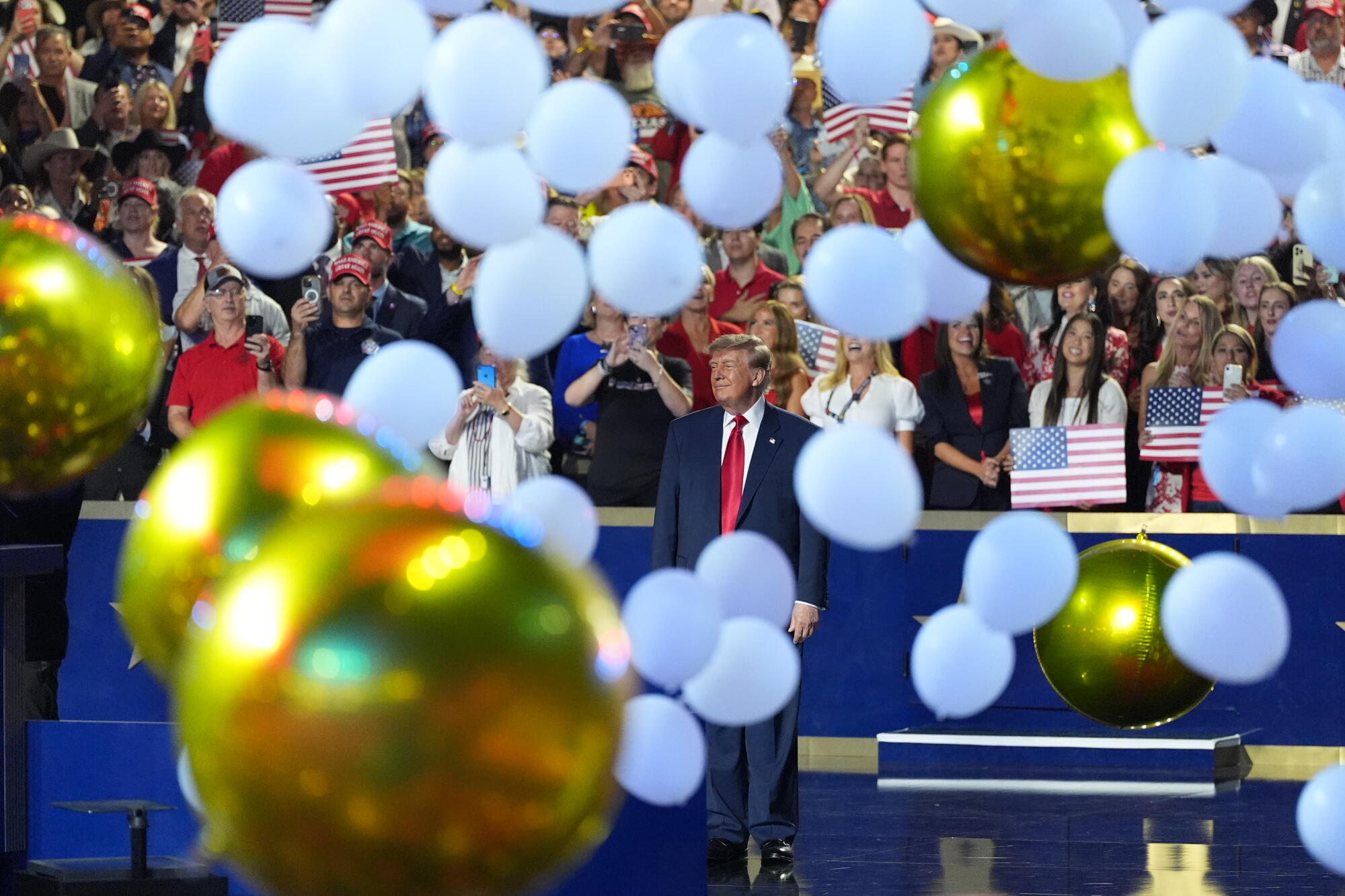
“You’ve got to do this for me: You have to pretend I am on the ticket,” Trump told his audience at the GOP midterm convention, emphasizing the importance of the election.
This strategy reflects the GOP’s internal dynamics, balancing the need to attract new voters in districts turned purple by redistricting. They hope Trump energizes the base while they appeal to swing voters. Concerns over his approval ratings potentially affecting crucial midterm seats add to the urgency.
Adapting to a New Political Landscape
California’s redistricting under Proposition 50 has made many districts more moderate, forcing Republican candidates to appeal to unaffiliated and moderate Democratic voters. Pete Peterson from Pepperdine University highlights the necessity for candidates to adapt to attract these voters.
The party in power often faces challenges during midterms, with vulnerable candidates distancing themselves from the president. Republicans, aiming to retain control of the House and Senate, face significant challenges such as Trump’s low favorability and economic frustrations.
A Washington Post analysis shows Republican mentions of Trump on social media have halved since January. Many have avoided Trump’s convention and critics from within question his policies and proposals.
Focusing on Local Issues
In response to these dynamics, candidates like Rep. Young Kim and Rep. James Gallagher have shifted their campaign optics. Kim removed “America first” branding and Trump references from her website. Gallagher erased Trump’s endorsement from his campaign page.
Rep. David Valadao in the Central Valley and others have emphasized local issues over partisan politics. This approach seems intended to convey independence and appeal to moderate voters, often prioritizing their regions’ needs over national political strategies.
Republican consultants suggest these moves aim to show candidates are not tied to a strict party line, instead running on common sense. They believe focusing on local and state issues allows candidates to connect better with voters.
The strategy targets long-term state issues such as affordability, arguing these are exacerbated by current Democratic policies. The tactic also involves emphasizing Democrats’ focus on Trump rather than substantive solutions.
Mike Madrid, a seasoned California Republican consultant, points out the difficulty of a last-minute rebrand for candidates associated with Trump-centered strategies. He views this distancing as indicative of Trump’s waning popularity within the GOP.
Leave a Reply