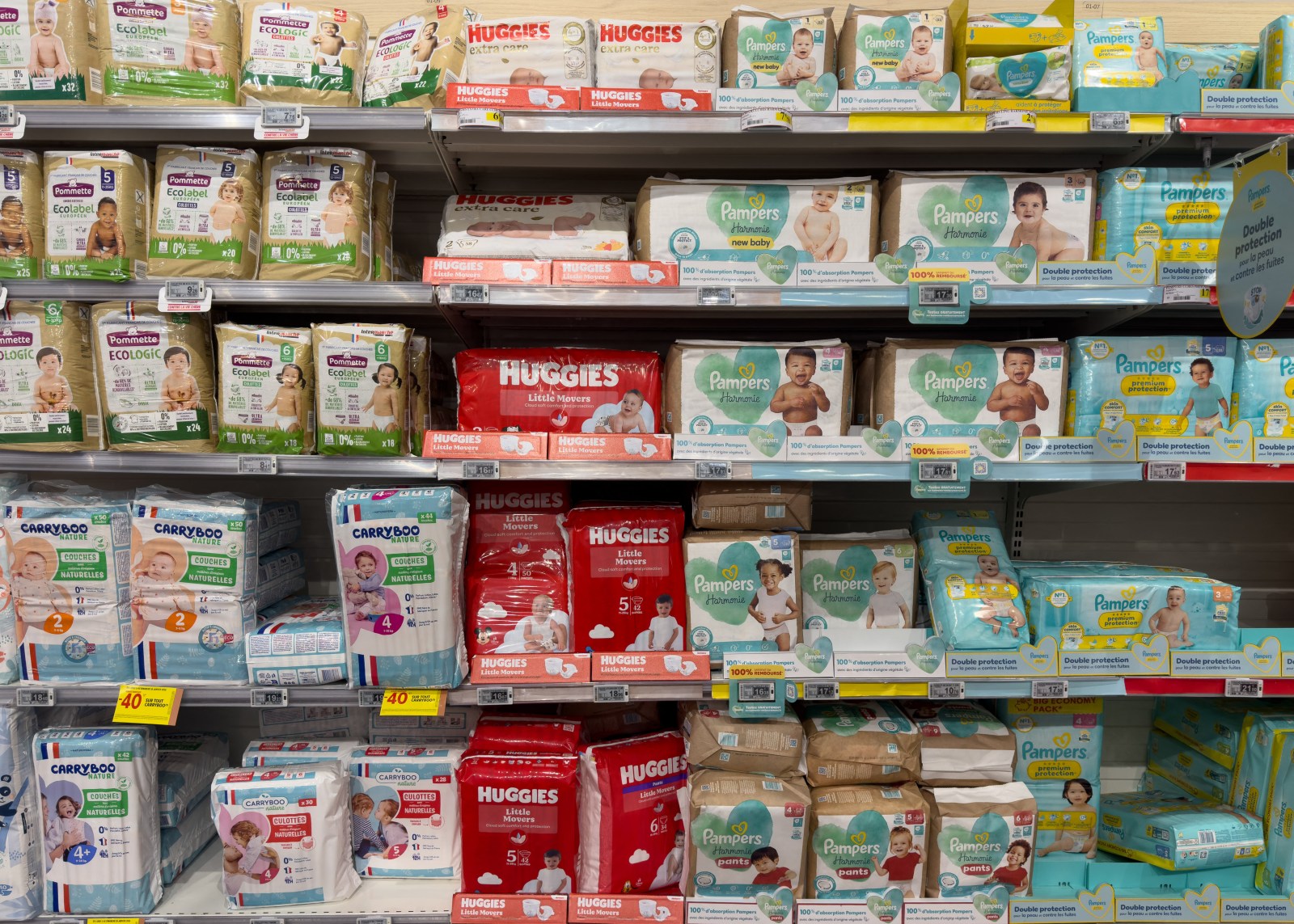
A new legislative proposal in California aims to increase transparency regarding the chemical composition of diapers. California Assembly Bill 1901 seeks to stop diaper manufacturers from hiding potentially harmful chemicals in their products.
Understanding AB 1901
Current regulations protect business confidentiality, limiting companies to report only significant health risks. AB 1901 would mandate companies to disclose all intentionally added ingredients in diapers, along with the purpose of each ingredient, by January 1, 2028. A year later, packaging would also feature this information.
Marc Berman, a Democratic member of California’s State Assembly and father, authored the bill. “As a new dad, I understand how crucial it is for parents to make informed choices about their children’s health,” said Berman.
Though some oppose the bill, arguing current guidelines balance consumer and trade-secret protections, it passed the California Assembly with a 68-1 vote. It is anticipated to reach the state Senate floor soon.
Driving Factors Behind the Bill
Research published in Environmental Science & Technology notes that children use approximately 7,000 disposable diapers before completing toilet training. Some children, seniors, and an estimated 20 million women continue using them, raising concerns about chemical exposure.
Diapers may contain toxic substances like phthalates and PFAS, known as “forever chemicals.” Manufacturers are not usually required to disclose these substances unless under specific state laws, such as New York’s.
New York’s S2279C, effective from December 2025, includes all diapers, while AB 1901 focuses on children’s disposable diapers sold, distributed, or manufactured in California. New York imposes fines based on sales, whereas California’s fines range from $5,000 for first violations to $10,000 for subsequent violations. AB 1901 also requires online publication of ingredient information, including their Chemical Abstracts Service (CAS) numbers.
The Push for Ingredient Transparency
Under current trade-secret laws, thousands of chemicals might be masked by terms like “fragrance” or “parfum” without detailed disclosure. This lack of transparency could expose consumers to compounds causing allergies, reproductive and developmental toxicity, or skin sensitization, according to Consumer Reports and the Environmental Working Group (EWG).
Both organizations co-sponsor AB 1901, joined by the Consumer Federation of California and others, including actress Hilary Swank. “Parents deserve to know what touches their children’s skin daily,” said Assemblymember Berman. “AB 1901 offers the transparency needed for informed decisions.”
The California Chamber of Commerce, California Manufacturers & Technology Association, and the Center for Baby and Adult Hygiene Products (BAHP) oppose the bill. “Diapers are produced under strict safety regulations, with BAHP members often exceeding these standards,” a BAHP spokesperson told the Los Angeles Times.
Next Steps for the Bill
Introduced in March, AB 1901 passed the California Assembly in May and moved through the Senate Environmental Quality Committee with bipartisan support. It recently passed the Senate Appropriations Committee unanimously and awaits a full Senate vote.
The Senate Appropriations Committee estimates implementation costs from $535,000 in 2027 to 2028, increasing to $750,000 the following year, before stabilizing at $685,000 annually.
For further information, Newsweek has reached out to Marc Berman and BAHP for comment.
Leave a Reply