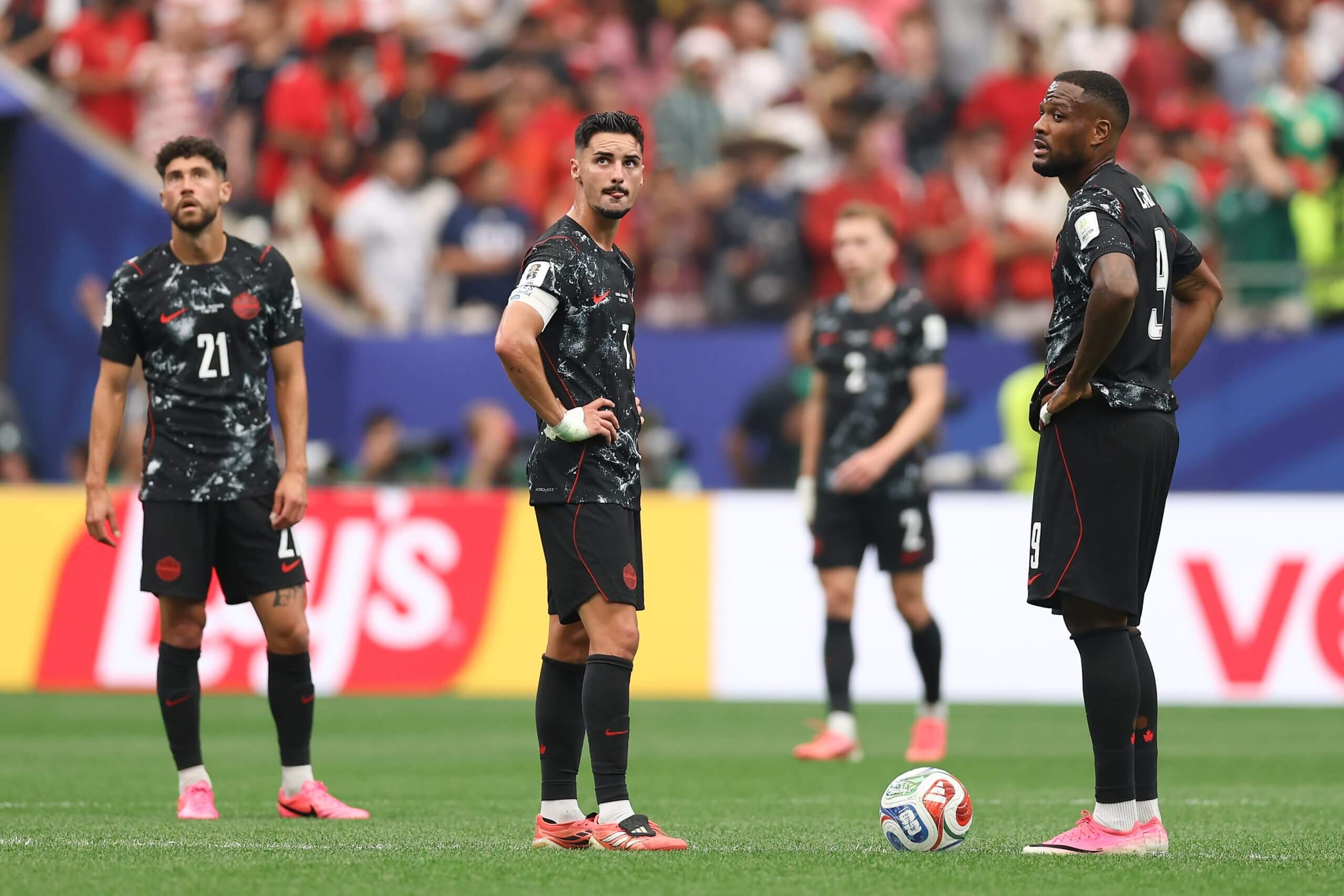
Canada’s World Cup performance against Morocco showed significant progress compared to the tournament four years ago in Qatar. During the first half, Canada demonstrated strong abilities as they pressed against Morocco, indicating that they are now competing with top international teams.
Canada midfielder Stephen Eustaquio commented that their coach, Jesse Marsch, considered it one of the best first halves he had coached with the team. Achieving this level of performance on such a prestigious stage suggests that Canada is narrowing the gap between themselves and more established teams.
Despite Morocco’s three second-half goals that ended Canada’s journey in the round of 16, the World Cup was deemed a success for Canada. In the 2022 World Cup, Canada finished the tournament ranked 31st out of 32 teams, struggling in Qatar. However, this year’s tournament shifted the perception of Canada’s national team positively.
Alistair Johnston expressed his hope that Canadians felt pride in their team’s fearless and determined playing style, reflective of how Canadian teams aspire to perform across various sports.
The match against Morocco highlighted both optimism and areas for growth, showcasing Canada’s impressive first-half performance and individual player achievements. Despite walking a fine line between disappointment and pride post-match, players reflected on Canada’s 13 touches in Morocco’s box during one sequence as encouragement, even though they failed to convert.
Canada’s difficulty converting chances during the tournament reveals the need for developing more clinical forwards before the next World Cup. Nonetheless, fewer obstacles stand between Canada and future knockout wins than in their past outings.
The competitive intensity, as demonstrated in the tournament, serves as a future blueprint for Canada’s playing strategy. This offers hope for further development in areas such as game-management and experience, possibly cultivated through players who have experience in competitive European leagues.
The presence of young players like Luc de Fougerolles, Niko Sigur, Ali Ahmed, and Moise Bombito suggests promising leadership for Canada in upcoming tournaments. Richie Laryea expressed pride in the team’s accomplishments, underscoring the importance of capitalizing on their progress.
The result is a raised expectation for Canada’s participation in future World Cups, backed by investments and a pipeline connecting young Canadian talent to the national team. The victory over South Africa in the round of 32 was pivotal, elevating Canada into a new tier of competition and inspiring the nation.
While declaring Canada a soccer country remains complex, increasing television ratings and a united national support reflect growing belief in their potential. The World Cup demonstrated Canada’s ability to compete with honesty and resilience, resonating with fans nationwide.
Leave a Reply