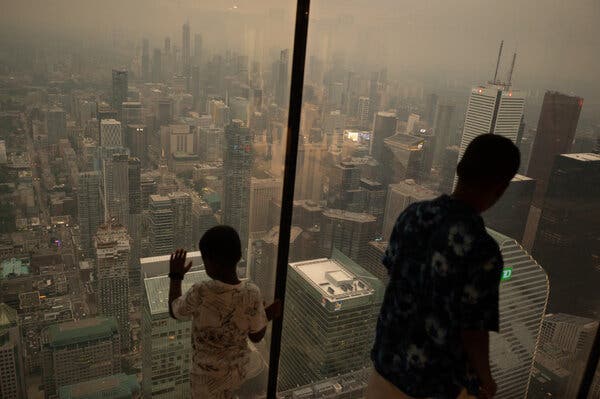
Wildfires in Canada are becoming an around-the-clock battle for firefighters as rising nighttime temperatures prevent fires from slowing down after dark. These conditions challenge fire crews who traditionally perform critical tasks at night to control these blazes. With temperatures climbing, wildfires continue to spread, posing greater risks to those on the front lines.
One crucial aspect of nighttime firefighting is the deployment of sprinklers to manage smaller fires and the operation of heavy machinery, which is less prone to overheating under cooler conditions. However, the persistence of high temperatures has altered this approach.
Randy Schroeder, a fire chief in Alberta, notes the relentless nature of current fires. He explains how fires last longer than they did in previous years, affecting the firefighters’ ability to control them.
“The fires grow and last a lot longer than they would have normally done in the same fuel, in the same period of time, years ago.” – Randy Schroeder
Traditionally, lower nighttime temperatures and increased humidity helped reduce fire intensity, allowing firefighters a brief respite and a chance to catch up before the next day’s challenges. Climate change, however, has disrupted this cycle, forcing teams to adapt their strategies.
The continuation of fire activity during the night not only demands more resources but also increases the overall cost of firefighting efforts. Schroeder emphasizes the importance of attacking fires during favorable conditions and warns that if teams miscalculate, they must retreat from the advancing flames.
The evolving situation underscores the need for new tactics as crews face the challenges brought on by a changing climate. Firefighters must rethink their approach, staying vigilant throughout the night to manage the persistent threats posed by wildfires.
Leave a Reply