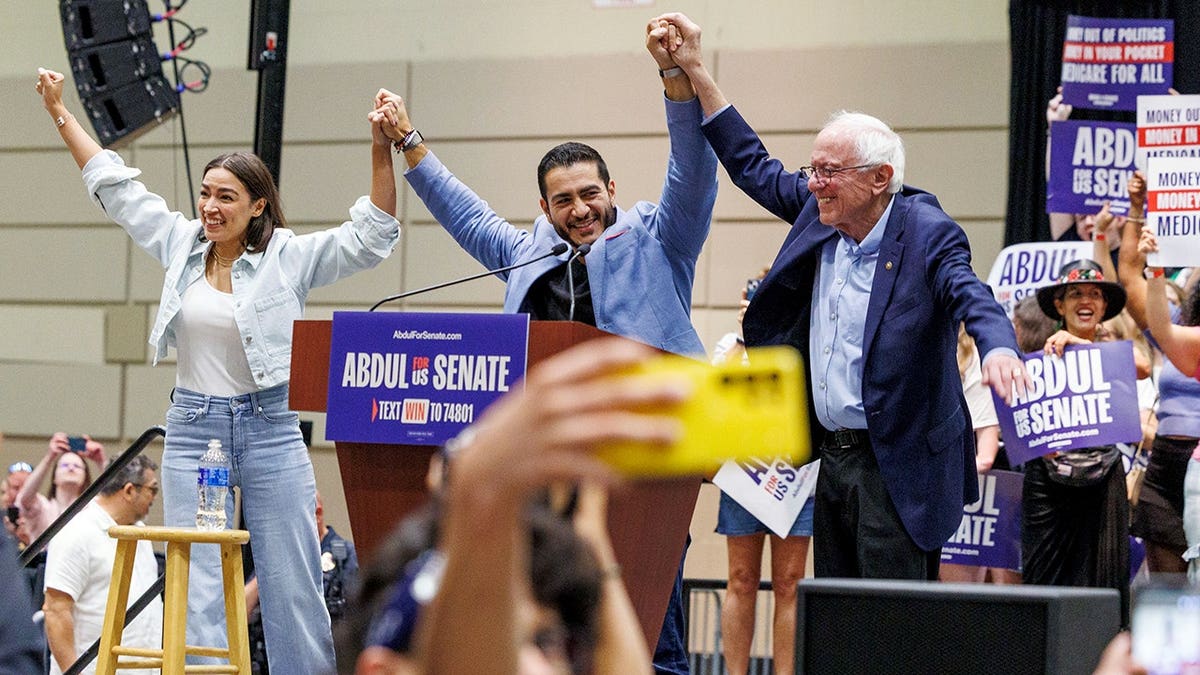
This summer, while many Americans enjoyed fireworks and anticipated the fall football season, the Democratic Senate candidate in Michigan, Abdul el-Sayed, faced backlash over past remarks. CNN discovered el-Sayed’s previous statements criticizing fireworks and linking football to slavery. In response, his campaign attempted to erase these comments.
As el-Sayed runs for statewide office in a state that supported President Donald Trump in recent elections, he opted to pivot. He emphasized his appreciation for “Michigan football on Saturdays” instead of defending his earlier positions. This scenario exemplifies the challenges faced by candidates balancing personal views with political realities.
In Wisconsin, Democratic Socialist candidate Francesca Hong encountered similar obstacles in her gubernatorial primary. Her previous social media comments about Thanksgiving emerged, though she later claimed it as her “favorite” holiday. Despite the close margin, questions about her extreme views lingered.
Figures like New York Democrat Rep. Alexandria Ocasio-Cortez navigate similar challenges. When confronted with past remarks, she labeled “Woke 1.0” as excessive, highlighting the evolving nature of political discourse.
Three factors contribute to these seemingly unelectable candidates shaping conversations:
- Empowered Activists: An empowered group of activists seeks new ideas and leadership within the Democratic Party, addressing past election scars.
- Digital Era Influence: Candidates like el-Sayed, Hong, and Ocasio-Cortez grew up with social media, providing platforms for impulsive comments scrutinized in campaigns.
- Socialist Principles: Many candidates embrace core socialist beliefs, challenging traditional values and questioning national identity symbols like football and Thanksgiving.
Proponents advocate for social benefits like free healthcare, pre-K, and college. Cities like New York explore government-run grocery stores under leaders such as Mamdani. They aim to correct economic injustices, often sidelining questions about costs.
Meanwhile, Republicans face tough upcoming elections. Trump’s absence from the ballot and low approval due to international conflicts challenge the GOP. However, they can leverage the notion that extremist views persist, offering insight into candidates’ philosophies long after past statements disappear.
Republican strategist Colin Reed suggests that social media’s lasting influence maintains relevance, highlighting candidates’ perspectives on socialism within the American left.
Leave a Reply