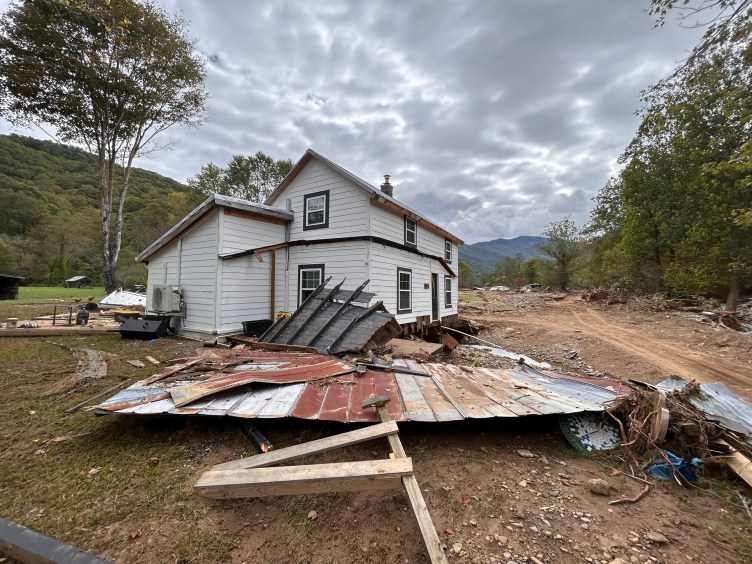
One year after Hurricane Helene struck, many who lost their homes in the Southeast turned to the Federal Emergency Management Agency (FEMA) for assistance. However, navigating the aid process proved difficult for some, with wealthier homeowners often receiving more financial support.
Disparities in Assistance
In certain North Carolina counties, an investigation revealed that homeowners with higher incomes received two to three times more FEMA housing assistance than their lower-income counterparts. This discrepancy was particularly evident in rural areas where Helene caused significant damage. While FEMA assistance is intended to help replace or make homes safe again, income seemed to play a role despite FEMA guidelines stating otherwise.
FEMA’s Resource Challenges
Under the Trump administration, FEMA lost hundreds of employees, including those working on improving the online application process. This loss has made accessing aid even more challenging. The Hills, a family from Yancey County, are a prime example of the hurdles faced. Despite their teaching jobs, they struggled, but persistence finally led them to receive nearly $40,000 in aid.
Accessing Aid
Many survivors faced difficulties in accessing aid due to FEMA’s complex application process. In Yancey County, even with dire warnings before the storm, the local population suffered from unawareness about the severity of Helene. Interviews highlighted that income disparities impacted the assistance received, with middle-income households sometimes receiving less than lower-income ones.
Experts’ Views
Experts have noted the systemic inequities in disaster aid distribution. Sarah Labowitz, a senior fellow at the Carnegie Endowment for International Peace, explained that disasters reveal stark inequalities. Factors such as FEMA’s application challenges and inspectors’ biases exacerbate these issues.
Challenges Faced by Residents
Household income affected survivors’ ability to navigate FEMA’s system. While the Hills had about seven weeks of full pay to manage their FEMA application, others struggled without similar support. The Parkers, another affected family, have highlighted the difficulties in securing rental assistance. Different assistance programs presented unique hurdles for disaster victims.
Documenting Damage
FEMA’s assistance decisions often rely on complex documentation and data entry requirements. Edwards, a director of a disaster relief project, cited deterrents like application complexity and the demands of gathering necessary documentation, which were substantial for many applicants.
Efforts to Rebuild
The Hills received FEMA funds, community support, and started rebuilding their home further from the creek. Volunteers and agencies helped mitigate immediate living challenges by providing temporary accommodations.
Prospects of Future Rebuilding
Others, like Michelle Parker, grappled with ongoing challenges. Despite receiving support from friends and nonprofits, renting the camper space put a financial strain on her situation. A local nonprofit offered a discounted mobile home, but funding was still an issue.
“It’s a bit of a socioeconomic situation where we have connections to people who can help,”Susie Hill remarked on the disparity in accessing aid.
FEMA continues to face scrutiny over its application processes and assistance distribution methods, which have been criticized for lacking transparency and consistency. Efforts to address these issues remain ongoing.
Leave a Reply