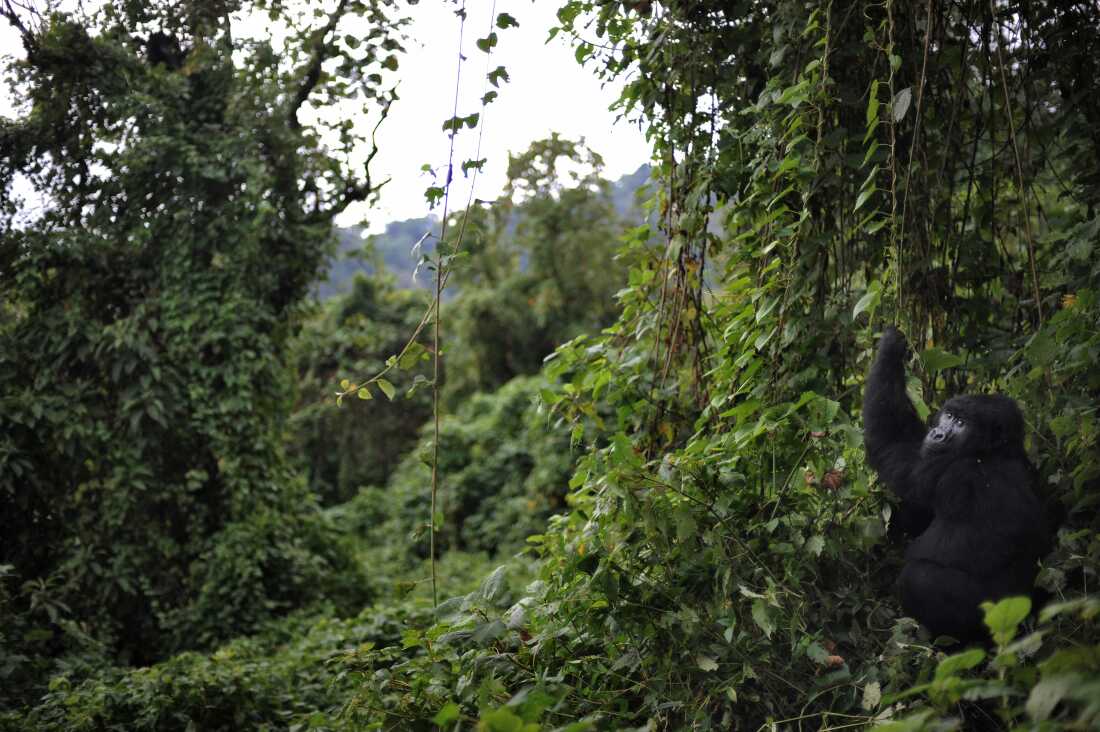
Virunga National Park in the Democratic Republic of Congo is a vital habitat for mountain gorillas, hosting about a third of their global population. Park rangers, under the leadership of Emmanuel de Merode, are working to safeguard these primates from the Ebola virus, which poses a significant threat due to the gorillas’ vulnerability to the disease.
Emmanuel de Merode describes the beauty of the park, spanning about 2 million acres. Beyond this natural splendor, the park faces challenges from rebel violence and an Ebola outbreak. These issues are compounded by limited resources and dwindling international aid. De Merode notes that the current situation is the worst they have seen in 30 years, with the lack of an Ebola vaccine and a decrease in foreign support exacerbating the threats.
Ebola Screening Efforts
To combat the spread of Ebola, the park is constructing screening posts. These posts are vital because the park acts as a natural boundary where close to 100% screening can occur, especially at river crossings. Screening helps trace and contain potential eastward spread of the virus into other provinces and neighboring countries.
Construction of five screening posts involves substantial costs, approximately $44,000 each. These sites include multiple facilities to handle the inflow of travelers and suspected cases, employing staff including security personnel and paramedics to ensure effective monitoring.
Impact of Reduced Foreign Aid
The decrease in international aid has severely affected the preparedness and response capabilities in the region. In 2024, the U.S. provided $1.4 billion in aid, which dropped significantly to just over $400 million in 2025. This decline has hindered efforts, with health workers lacking essential tools such as body bags and thermometers, and insufficient vehicles for the transport of medical personnel and supplies.
Virunga rangers have been crucial in supplying materials like body bags and diagnostic kits, but the long-term challenge remains significant.
Violence in the Region
The park’s rangers operate under severe conditions due to ongoing militia conflicts. Recent attacks have resulted in casualties among park staff and increased the difficulty of managing the Ebola outbreak.
Protection of Mountain Gorillas
The park is home to a significant population of mountain gorillas, which are highly susceptible to Ebola. To protect the gorillas, approximately 200 rangers are stationed in areas populated by the primates. Tourism has been halted, and the rangers’ role is to prevent any human contact with the gorillas, thus minimizing the risk of transmission.
Although the region has managed gorilla protection effectively in past outbreaks, the current circumstances demand continuous vigilance and strategic action to prevent the spread of Ebola among both humans and gorillas.
Leave a Reply