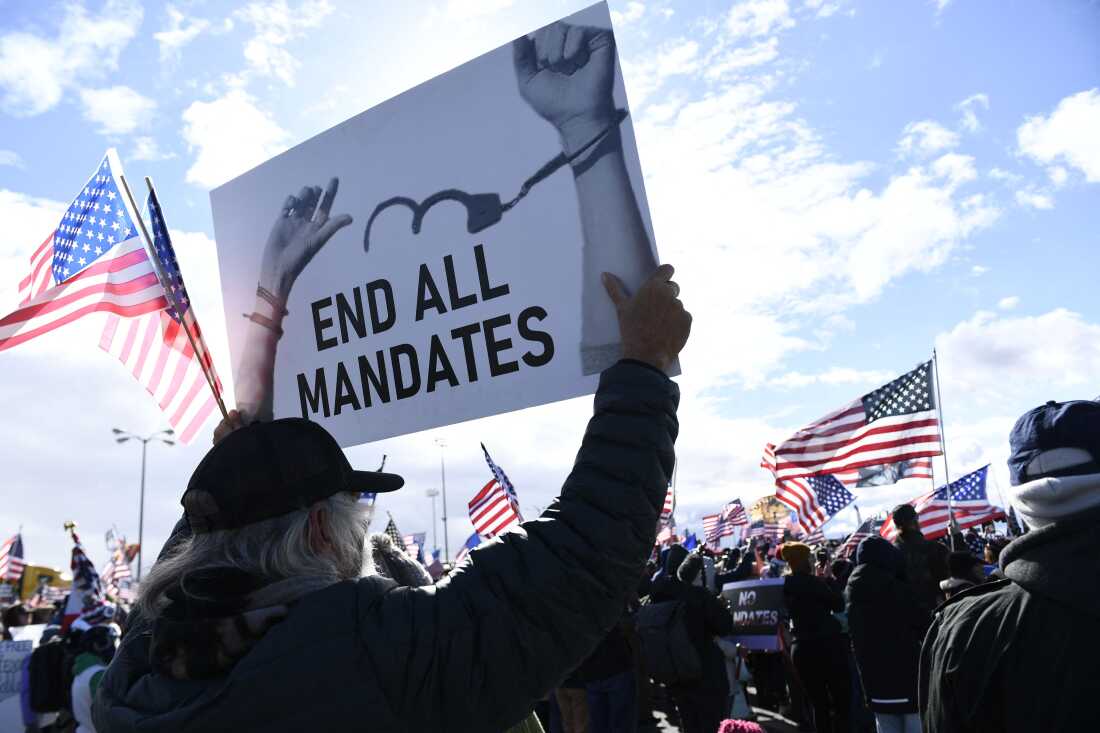
In February 2022, demonstrators, including truckers, gathered in Adelanto, California, to protest COVID-19 vaccine and mask mandates. This reflects broader concerns about public health management in the U.S.
As pandemic fears persist, notably concerning infections like hantavirus and Ebola, many state and local health officials face reduced power in managing outbreaks compared to the COVID-19 era. Significant criticism of pandemic-related restrictions led to diminished public health authority.
Lawrence Gostin from Georgetown University notes a substantial backlash against governmental overreach from the COVID-19 pandemic, especially in red states. The federal Centers for Disease Control and Prevention saw budget cuts, reduced staffing, and increased oversight by political figures during the Trump administration. However, the most significant public health powers reside with states, over half of which have modified their authorities through legislative changes, according to the Network for Public Health Law.
Numerous jurisdictions weakened their response capabilities, which could affect their ability to manage health emergencies. Gostin states that the country is in a weaker position to handle health crises post-COVID. In 11 states including Alabama, Virginia, and Louisiana, new laws have imposed restrictions on declaring public health emergencies, essential for mobilizing disease control efforts and streamlining processes.
Dr. Georges Benjamin of the American Public Health Association expresses concern over lawmakers requiring public health measures to seek legislative approval or receive authority from the legislature. This uncertainty may limit public health officials’ effectiveness.
Some regions, such as Kansas and Utah, restricted traditional health tools like quarantining potentially infected individuals or isolating the sick. These changes may cause confusion and delay responses. Elizabeth Platt from the Center for Public Health Law Research emphasizes understanding authority, stressing the urgency of timely responses during crises.
Backlash from COVID-19 mandates led states like Florida, Oklahoma, and Texas to withdraw authority to enforce mask mandates, constrain vaccination requirements, and limit restrictions on gatherings. Comparing these limitations to restricting law enforcement’s abilities during emergencies, Dr. Benjamin voices concern about diminished protective measures.
Additionally, some state and local health departments experienced staff and funding reductions. Health officials’ fear of utilizing remaining authority grew from harassment during the pandemic. Some former critics now hold influential positions in public health commissions, which are not led by traditional experts in some areas.
Despite concerns, some support changes to enhance trust and accountability following criticism of some COVID-related measures. James Hodge from Arizona State University views certain limitations as reasonable. He emphasizes the importance of accountability in implementing strict public health measures in the country.
Leave a Reply