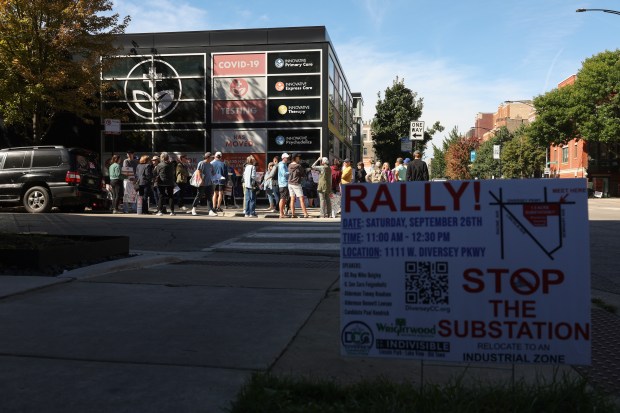
Residents of the North Side in Chicago are at odds over the location of a new electrical substation. The local electrical grid’s capacity is reaching its limit, and a new substation is deemed necessary. However, opponents of a proposed location argue that it should be situated elsewhere.
Community Concerns
Mary Driscoll, an 81-year-old Lakeview resident, insists that the fight against the proposed substation is not driven by exclusionary politics. She argues that it is a community-driven movement aiming to promote a different kind of development. The Diversey Community Coalition (DCC) shares this stance, advocating for housing development over the substation. They propose a different vision for the Diversey Parkway site.
Residents, including young voices like Emilia Rosenberg and her brother Henry, express a desire for a safe and livable neighborhood. The coalition has mobilized over a thousand residents and garnered support from local officials in their campaign against the utility company’s plan. They argue for the potential of building housing on the site, which they claim would enhance the community’s vibrancy and economy.
Utility’s Position
ComEd, the utility company, defends the choice of the site for the substation. According to them, the site is essential to prevent power outages in the area. They argue that using the existing infrastructure would minimize disruptions to the community. They remain committed to the project despite the community’s objections.
The utility disputes claims about the dangers of the substation, asserting that modern facilities are safe and designed to integrate seamlessly into neighborhoods. They point out that the majority of the city’s substations coexist with schools without incident.
Alternative Proposals
The coalition has proposed 14 alternative sites, avoiding locations near schools and public transport hubs. However, ComEd has rejected these alternatives, citing high relocation costs that would affect electricity prices for consumers across a wide area. This has led to further disagreement between the coalition and the utility regarding the viability of the alternative sites.
Local aldermen and community groups have supported residential development at the site, suggesting it could address housing needs in the community. However, some experts like Chicago attorney Edward Kus question the feasibility of the proposed housing project under existing zoning laws.
Awaiting a Decision
A decision from the Illinois Commerce Commission is awaited in December. The Community Coalition remains hopeful, particularly after a recent recommendation asking ComEd for further justification of the project’s cost and size.
ComEd maintains that the site is essential and intends to refine its proposals to address community concerns. They are willing to collaborate on the substation’s design to mitigate visual impacts, though the location is non-negotiable due to logistical considerations.
The ongoing debate underscores broader questions of urban planning, community needs, and infrastructure. The community’s future remains tied to these discussions as both sides await official decisions and potential compromises.
Leave a Reply