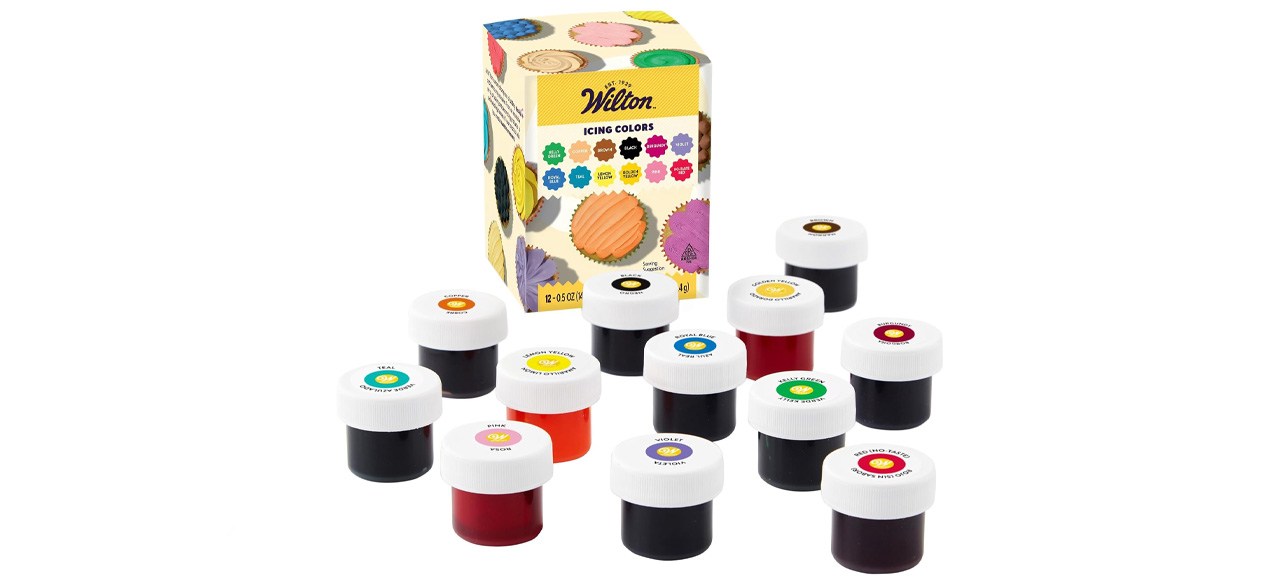
A beautifully decorated pastry case can make a delightful impression. While a baker’s skills are vital, food coloring plays a key role in enhancing baked goods’ appearance. Choosing the right food coloring can make your creations stand out. Three top options include the Wilton Icing Colors 12-Piece Gel Food Coloring Set, Nomeca Vibrant Food Color Liquid Dye, and Supernatural Store Plant-Based Food Color.
Understanding Food Coloring Choices
Food coloring kits are essential in any baker’s pantry. They enable you to produce stunning batters, frostings, and other decorative elements.
Gel vs. Liquid Food Coloring
Professional bakers often prefer gel food coloring. It delivers vibrant colors without thinning batter or frosting, and is effective for candy making, white chocolate, and fondant. Liquid food coloring is more convenient, with droplets added to achieve the desired hue. It’s typically more budget-friendly, available in larger quantities at a lower cost.
Color Combinations
Basic primary colors can be combined to create a rainbow of hues. However, some bakers favor multi-color kits for consistent results, avoiding the need for manual mixing.
Natural Dyes
Most commercial food coloring consists of artificial colors, with little effect on taste. In cases where large quantities are used, like in red velvet cakes, an artificial flavor might be detectable. For those sensitive to artificial ingredients or wanting to preserve flavor, natural dyes are an alternative. Made from foods and spices, these colors might be more muted and pricier.
Key Features of Quality Food Coloring
Vibrant, True Colors
Whether aiming for light pastels or deeper tones, colors should appear vibrant and true.
Color Variety
A broad array of colors expands your decorative possibilities. Starter kits with primary colors—red, yellow, blue, and green—are cost-effective. Additional colors can be added as you explore further.
Ease of Mixing
Food coloring should mix easily. Gel variants might feel sticky, posing a challenge.
Cost Expectations
Quality food coloring ranges from $10 to $15. Exploring online or specialty shops may reveal additional product types like liquid gel, powdered, oil-based, and airbrush colorings.
How to Use Food Coloring
When using food coloring, patience is crucial. Gradually add color, since it’s hard to lighten dark mixtures. Start with minimal drops, using a toothpick for gel types. After mixing, allow the color to settle before evaluating in natural light. Keep in mind that colors may darken in frostings and lighten during baking.
Recommended Food Coloring Options
Top Choice: Wilton Icing Colors 12-Piece Gel Food Coloring Set
Wilton is a well-regarded brand among both amateur and professional bakers. Their gel food coloring blends into batters, doughs, fondant, and frosting without dilution. The colors are bright and concentrated, requiring minimal use. Note that the jars can be small and tricky to handle.
Affordable Option: Nomeca Vibrant Food Color Liquid Dye
Ideal for budget-conscious beginners, this liquid dye provides precise color control with no discernible taste. It’s versatile for use in various frosting and batter types. However, it may not be as vibrant as other selections.
Natural Option: Supernatural Store Plant-Based Food Color
For those avoiding artificial ingredients, this vegan, plant-based option uses fruits and vegetables for color. It’s gluten-free and kosher but may present inconsistency in coloring and difficulty in mixing.
This information presents a range of options suited for different needs and preferences in baking, ensuring your creations have the desired visual appeal.
Leave a Reply