Billionaire Mark Walter’s acquisition and subsequent forced sale of the Los Angeles Lakers are raising questions about the ownership of major sports brands. This situation is drawing attention to how sports teams are being leveraged for profit by wealthy individuals.
Walter, a billionaire who acquired his wealth through the insurance industry and held stakes in the Lakers, Los Angeles Dodgers, and Chelsea in the English Premier League, is reportedly under federal investigation. This inquiry focuses on alleged tax irregularities and the non-disclosure of billions in financing related to his enterprises.
The forced sale of the Lakers to a group including Josh Kushner is sparking suspicion. Observers believe Walter might be attempting to favor the federal government, possibly to mitigate potential repercussions. This situation exemplifies a broader trend of scrutiny faced by billionaire sports magnates, emphasizing increased corporatization in professional sports.
Critics argue that inadequate checks on potential club buyers are creating a disconnect between the ownership class and fans. Will Norton from the University of Massachusetts Amherst noted that fans are increasingly frustrated with teams treated purely as assets rather than community symbols. Expensive franchises are driving owners to choose potentially hazardous financial pathways, impacting the long-term health of sports clubs.
Private equity firms and owners located far from their clubs’ home cities are controlling more franchises in leagues such as the NFL, NBA, and NHL. This trend affects fan experiences negatively, with ownership groups prioritizing short-term profits over community engagements and roster development.
Walter’s situation is extraordinary due to his involvement with multiple franchises across several top sports leagues. For instance, the Dodgers have benefited from a favorable media rights deal by Walter, providing funds to acquire top-tier talent even as ticket prices surge.
This case is spotlighting a potential crisis in Major League Baseball, where the players’ union and team owners struggle to reach a new collective bargaining agreement. The standstill hints at a looming lockout, exacerbated by private equity’s presence across top leagues, increasing pressure on clubs to invest heavily.
Instances of conflict have surfaced, as seen with Phoenix Suns owner Mat Ishbia facing legal action from minority owners. These owners accuse him of utilizing the team for unrelated ventures and excluding them from lucrative deals.
Mark Conrad from Fordham University highlighted concerns regarding proper vetting of owners by leagues. The trend of billion-dollar deals poses challenges to the quaint idea of a hometown family owning a team.
Fans nationwide express frustration with ownership groups demanding tax breaks and selling broadcast rights to costly platforms. Portland, Oregon, faces a unique challenge with the Trail Blazers’ ownership and potential negotiations over arena renovations.
Cade Massey from Wharton School emphasized the absence of solid data to validate the high valuations of teams, contributing to a disconnect between the evolving ownership class and the procurement process.
Extra Points: College football faced renewed debate over player eligibility this weekend. Controversy arises as major conferences like the Big Ten and SEC attempt to bar players previously cut from NFL teams from returning to college sports due to antitrust issues. The Protect College Sports Act remains timely, expected for a Senate vote post-recess.
Golf media brand Good Good Golf is receiving backlash for an ad promoting violence, with Callaway and PGA Tour cutting ties. This incident spurs debate on online ‘cancel culture’ and inclusiveness within golf.
The Republican Party’s first midterm convention competes with NFL games for audience attention. The NFL season kicks off with a Super Bowl rematch involving Seattle Seahawks and New England Patriots, potentially overshadowing the political event.
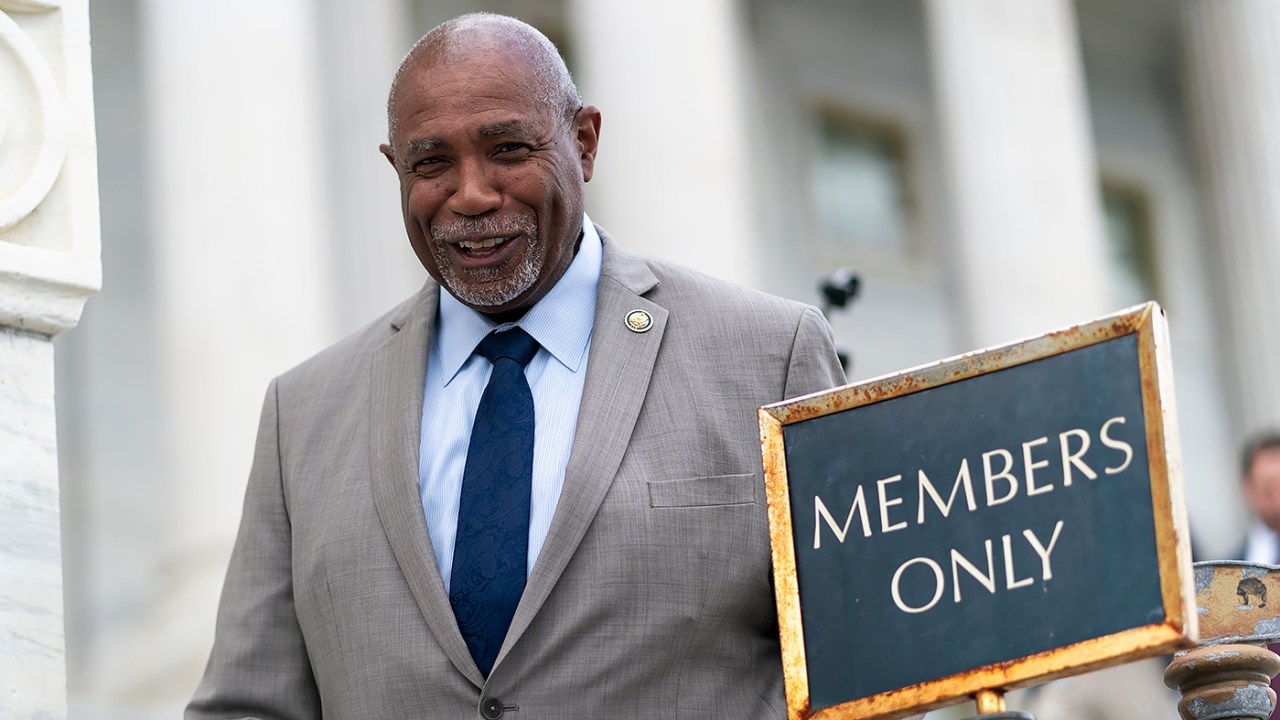
Jocks on The Hill: Rep. Herb Conaway (D-N.J.), starting his reelection campaign, shared insights on sports. He favors football and golf, supporting Dallas Cowboys since childhood due to admiration for Roger Staubach. Conaway expressed dislike for the Pittsburgh team due to Super Bowl XIII history.
In sports and politics, Conaway resonates with his high school coach’s advice: avoid complacency after victory.
Read the coverage: In college football, name, image, and likeness rights provoke discussions on team investments. Top spenders this season include the University of Miami and Texas Tech University.
As MLB strengthens bonds with gambling sectors, players face harassment threats from bettors. The Wall Street Journal profiles Rams’ General Manager Les Snead, recognized for reshaping the team as a value investor.
Leave a Reply