The U.S. Army plans to detonate unstable explosive material at an Iowa ammunition plant, raising food safety and environmental concerns in a major agricultural region. Five tons of degraded lead azide, an explosive compound stored in 68 barrels at the Iowa Army Ammunition Plant near Middletown, will be destroyed on-site since transporting it safely is not possible.
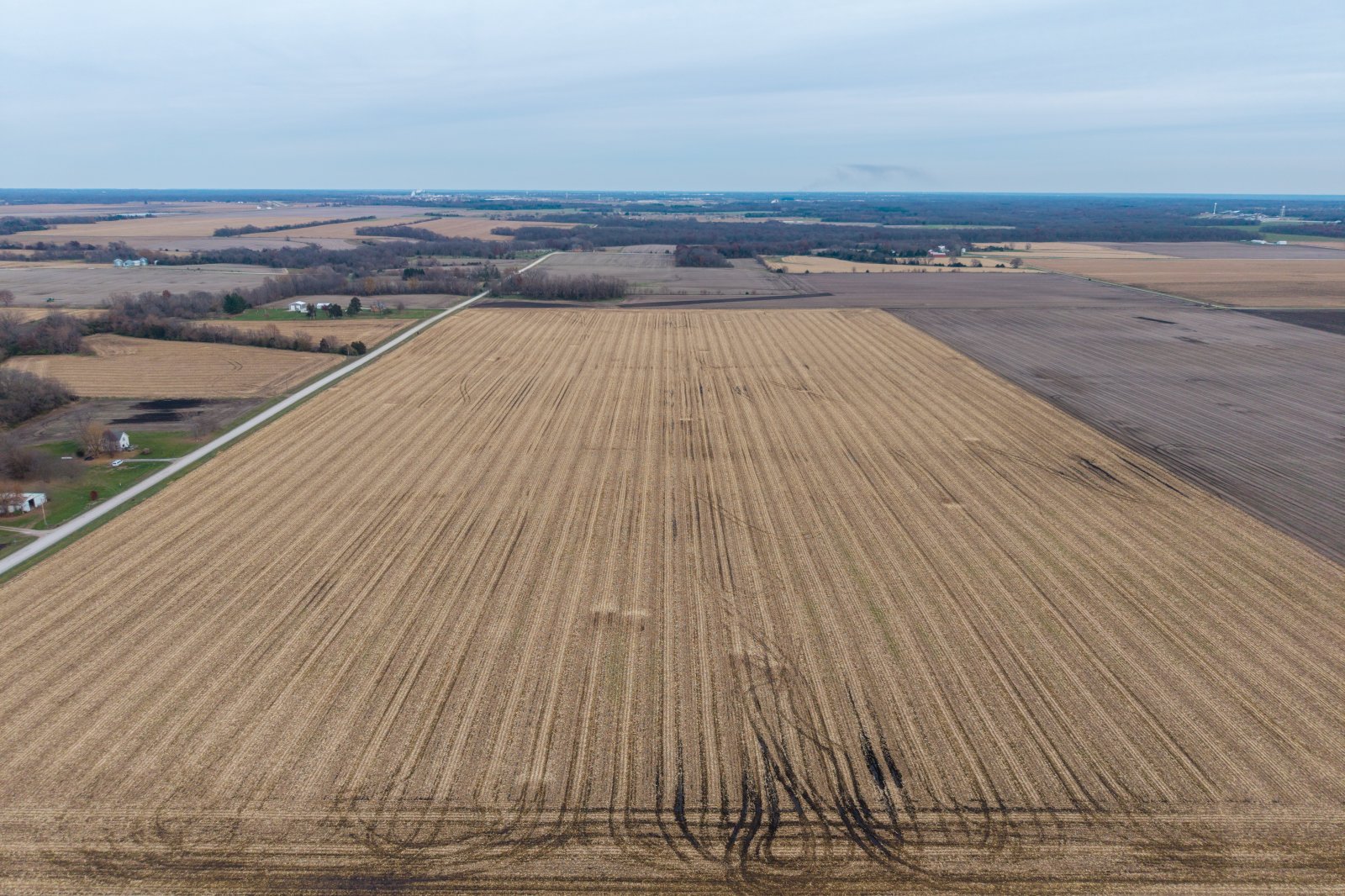
The planned detonation has caused anxiety among farmers and state officials due to its proximity to livestock and cropland. Federal agencies assure that safety precautions are in place. The detonation area lies in the heart of the U.S. corn and soybean producing regions, according to a Newsweek map.
Importance of Iowa’s Agriculture
Iowa plays a crucial role in U.S. agriculture, harvesting around 12.4 million acres of corn for grain and 10 million acres of soybeans in 2022. The state also tops hog production and significantly contributes to the beef and egg supply.
Wind forecasts show a southwest-moving plume could reach parts of Missouri.
Potential Impact Zone
The USDA estimates about 350 farms might be affected by the plume. The department collaborates with state regulators to prevent heavy metals from contaminating food supplies. Farmers received advice to move livestock indoors or to alternate locations until the all-clear is given.
An alert informed residents and farmers within a five-mile radius southwest of the plant of possible evacuation, while those further away were advised to remain indoors with windows closed.
Government and Expert Responses
Federal officials emphasize safeguards to prevent lead from entering food channels. Des Moines County, where the detonation happens, has over 140,000 acres of corn and soybean cropland. Farmers express concerns over the detonation schedule and the potential impact on livestock, forage, and environmental samples.
The USDA urged farmers to protect feed supplies and consider testing livestock for lead poisoning if necessary. Their guidance includes covering or sheltering feed, water, and agricultural resources.
Lead poisoning typically results from exposure over weeks or months, and short-term exposure seldom constitutes an emergency.
Measures and Recommendations
The Army has set up blast barriers and will use ballistic gels, foams, and water to minimize lead dust. Professor Dirk Maier of Iowa State University notes that soybean and corn harvest is complete, mitigating potential lead residue on these crops.
Farmers are advised to halt aeration fans in silos to prevent dust contamination. Livestock facilities should close ventilation systems to minimize exposure risks. Production of fresh produce in the area is low, so impact there is expected to be minimal.
Community Concerns and Official Statements
Henry County farmer Tim Meyer highlights the challenge of moving livestock indoors. Des Moines County organized meetings to address concerns. Iowa Secretary of Agriculture Mike Naig demands compensation for potential losses incurred by farmers, criticizing the timing and communication of the operation.
The U.S. Army has confirmed the detonation will proceed at 9 a.m. Central Time on the scheduled date.
Leave a Reply