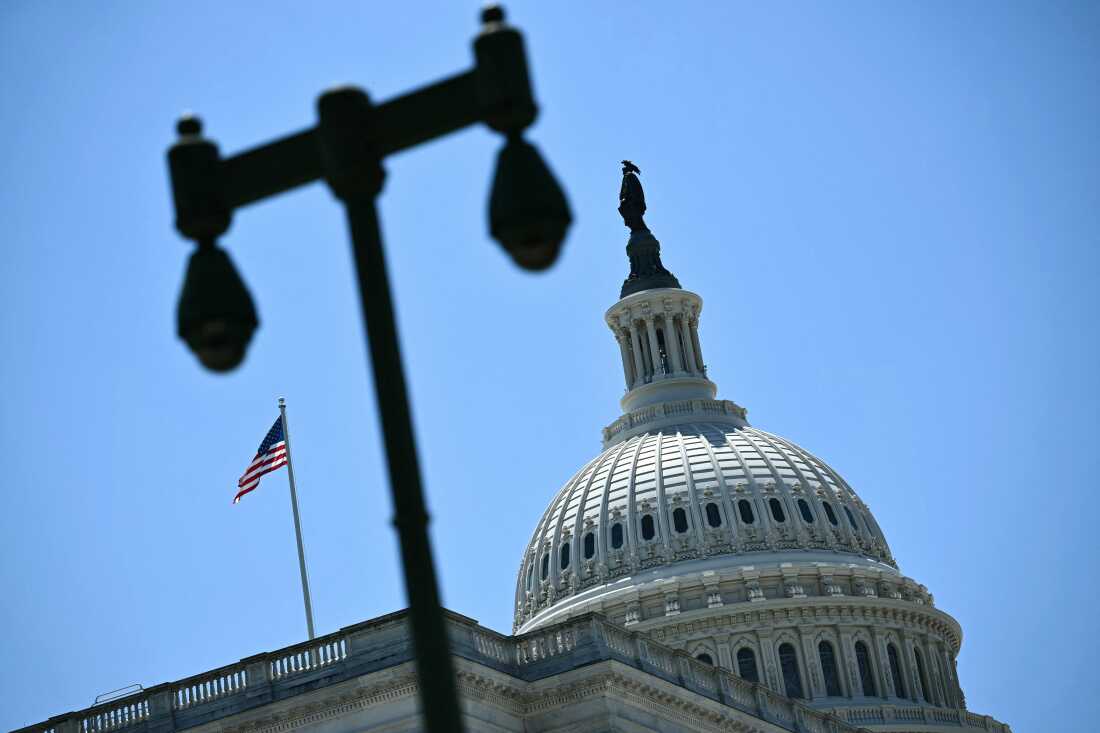
A view of the U.S. Capitol dome on June 4, 2026, marks a challenging time as efforts in Congress to renew a key surveillance tool failed before the House took its scheduled recess. The surveillance tool in question is Section 702 of the Foreign Intelligence Surveillance Act. This provision is vital for American intelligence agencies, allowing them to monitor the electronic communications of many foreign nationals outside the United States. Reports indicate that more than 60% of the president’s daily intelligence briefings depend on this crucial information.
Impact of Section 702 Expiration
The expiration of Section 702 will not immediately halt intelligence collection. Annually authorized by a federal court, the law permits ongoing collection of communications until the next court review. This means electronic communications service providers are still required to share information with intelligence agencies. However, concerns arise that these companies might challenge the law in court, potentially pausing intel sharing. Though such challenges may likely fail, a pause, even brief, could be problematic, especially before major national events like America’s 250th celebration and the World Cup.
“I don’t want to overhype this and say that the statute’s lapse is a horrific risk. It clearly is not,” said Glenn Gerstell, former general counsel at the National Security Agency.
Privacy rights advocate Elizabeth Goitein highlights that companies must comply with government requests even if the law lapses. Courts must address challenges quickly, with non-compliance leading to a daily fine of $250,000.
Controversial History of Section 702
Since its inception, Section 702 has faced controversy. Every renewal involves a debate over reforms to protect Americans’ privacy rights. Collecting foreign communications sometimes inadvertently captures Americans’ data, like calls and emails, which law enforcement might query without probable cause. Reform advocates seek changes, including warrant requirements for accessing Americans’ information. Such debates led to short-term extensions of the law recently, with discussions pointing towards potential extensions with some reforms, yet no warrant requirements.
Obstacles to Reauthorization
The appointment of Bill Pulte as acting director of national intelligence by President Trump further complicated reauthorization. Pulte’s reputation for using social media against perceived foes worried many. Democrats, even those favoring the intelligence community, opposed his appointment, fearing misuse of FISA information. Sen. Mark Warner described Pulte’s appointment as ‘unqualified’ and poorly timed. Rep. Hakeem Jeffries criticized him as a ‘political hack.’ Concerns were bipartisan, with Senate Majority Leader John Thune expressing the need for competent professionals in intelligence positions.
Amid the turmoil, both the House and Senate witnessed unsuccessful attempts to extend Section 702. The Senate plans to reconvene soon, with the House returning later. President Trump then announced Jay Clayton as his nominee for director of national intelligence, with Pulte potentially serving temporarily.
Leave a Reply