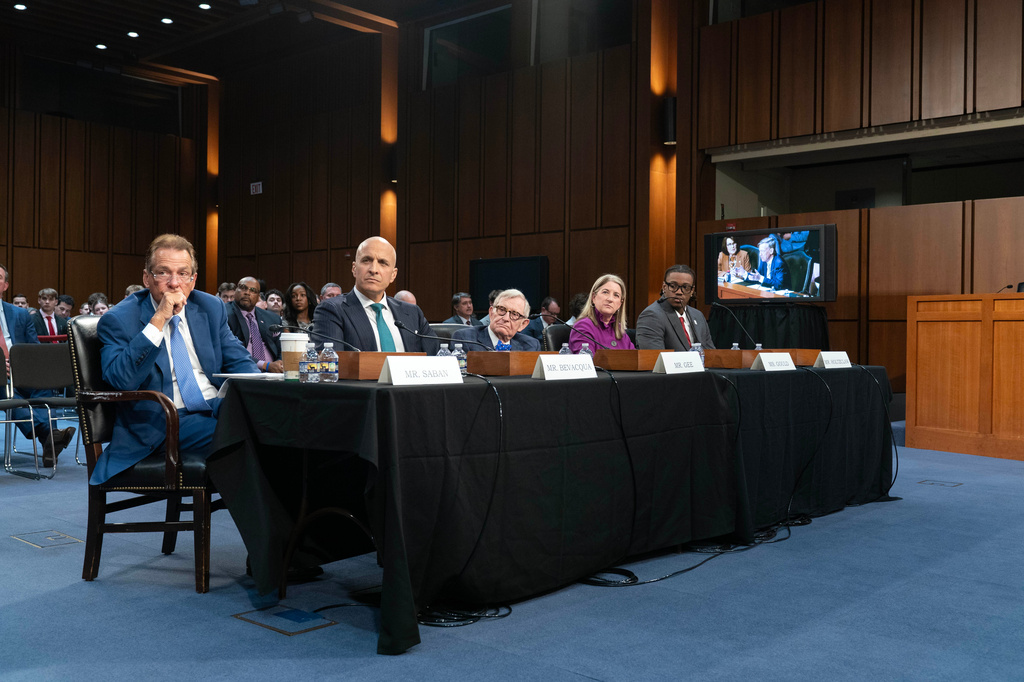
Former Alabama coach Nick Saban, Notre Dame athletic director Pete Bevacqua, WVU President Gordon Gee, Pac-12 Commissioner Teresa Gould, and Utah’s Lance Holtzclaw appeared before the Senate Committee on Commerce, Science, and Transportation on June 3, 2026. They discussed college sports, athlete support, and fair competition.
Congress is reviewing the Protect College Sports Act, aiming to boost college sports revenue but could raise TV and streaming costs. This bill includes an antitrust exemption, allowing universities and conferences to pool and sell media rights collectively. The idea is to negotiate with broadcasters and streaming platforms collectively, increasing schools’ leverage and boosting revenue.
Supporters believe this funding would stabilize the industry, supporting women’s and Olympic sports. However, concerns arise about who will ultimately bear the costs. The proposal could lead to rights-pooling, reducing competition. Currently, broadcasters negotiate separately with major conferences like the Big Ten, SEC, ACC, and Big 12. With the exemption, they would face a single entity demanding higher prices for popular games.
Broadcasters and streaming platforms are expected to pass added costs to consumers, increasing subscription prices or altering viewer arrangements. Fans may pay more for college sports, while non-fans could see higher cable and streaming bills.
Historically, college football explored centralized television control. Before the 1984 Supreme Court decision in NCAA v. Board of Regents, the NCAA controlled game telecasts, limiting appearances on TV. The court found this restriction illegal. Increased college football broadcasts resulted from enhanced competition, not reduced.
Proponents of the exemption argue saving women’s and Olympic sports is worth the cost. However, Congress should address the trade-offs. The proposal wouldn’t create new wealth, but redistribute costs to benefit athletic departments. There’s skepticism about lasting financial stability from exemption. College sports face not revenue issues, but restraint challenges.
Major athletic departments spend new dollars for competitive advantages—high coaching salaries, lavish facilities, extensive support staffs, and luxury travel. Without significant financial discipline, new media revenue would fuel the college sports arms race, easing pressure only until another rival spends more.
College sports require a federal framework. Congress should establish national rules for athlete compensation, transfers, and recruiting. It should demand financial transparency and discipline while incentivizing schools to protect opportunities in women’s and Olympic sports. Avoid granting an antitrust exemption that raises product prices and skips the challenge of controlling spending.
Before empowering college sports to extract more money from broadcasters and viewers, lawmakers should ask: If previous increased revenue didn’t resolve spending issues, why would it now?
Nathaniel Grow, professor at Indiana University’s Kelley School of Business and author in sports law, explores pooled media rights and college sports reform in his forthcoming article.
© 2026 Nexstar Media Inc. All rights reserved. This material may not be published, broadcast, rewritten, or redistributed.
Leave a Reply