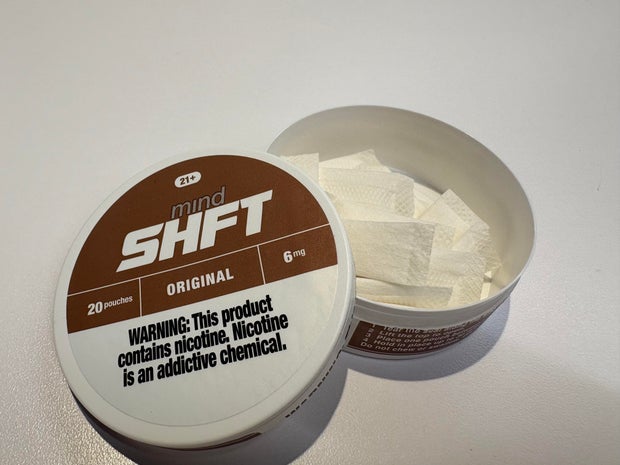
A Florida-based company, established in May, secured a unique deal granting it exclusive rights to supply flavored nicotine pouches to the Bureau of Prisons’ 118 institutions. These pouches, branded “mindSHFT,” carry a 6-mg formulation not authorized for sale by the FDA in the United States. Not available commercially, their inclusion in federal prisons raised concerns upon investigation by CBS News. Consequently, the arrangement’s validity has come into question, prompting a senior prison official to pause the procurement of these products temporarily.
A whistleblower within the federal system flagged the situation to the Justice Department’s inspector general and the Attorney General. They emphasized the importance of ensuring the health and safety of inmates, highlighting potential risks associated with unauthorized or contaminated products.
A Bureau of Prisons (BOP) spokesperson indicated that nicotine pouches were introduced to reduce contraband trafficking within federal prisons. However, following inquiries, BOP suspended further purchases pending review and consultation with FDA experts.
Records suggest SHFT Enterprise Holdings LLC formed shortly after BOP’s nationwide request for vendors capable of supplying FDA-authorized nicotine pouches. The company’s domain, shftholdings.com, was established around this time. Amendments were made to the BOP trust fund manual to legalize nicotine pouch sales in its commissaries.
“Selling like hotcakes” – the phrase used to describe the brisk sales of pouches in prisons.
No formal request for proposals was issued by BOP for the nicotine pouch provider. Despite the absence of a signed contract, Adam Morrow, BOP’s trust fund chief, authorized the sale of nicotine pouches via SHFT Enterprise Holdings LLC. Institutions were even recommended to purchase three tins per inmate to ensure availability. Notably, purchases were facilitated through Citibank.
The products sell at $6.99 per tin internally, with inmates charged $9.10 each. Amid this, legal concerns arose surrounding the sale of non-FDA-sanctioned nicotine products.
SHFT Enterprise Holdings claims their nicotine pouches legally comply with regulations, assuring FDA authorization. Yet legal authorities emphasize that non-FDA-approved products are “adulterated,” posing potential health risks.
Nicotine pouches represent the fastest-growing sector in the U.S. tobacco market, offering synthetic or tobacco-derived nicotine variants that deliver a mild buzz. SHFT Enterprise Holdings markets its pouches as a healthier cigarette alternative, emphasizing reduced harm.
The selection process for SHFT Enterprise Holdings remains unclear, with no personal connections among BOP officials to the company reported. As of recently, two companies are FDA-authorized to sell nicotine pouches: subsidiaries of Philip Morris International and Altria Group.
Complicated business relations contribute to the narrative of SHFT Enterprise Holdings. Florida incorporation records reveal limited information about the company, besides its sparse web presence and government contracting registration.
Kevin Mastaler, associated with the fitness supplement firm Redcon1, acts as the primary contact for SHFT Enterprise Holdings. He was unaware of the procurement pause when contacted. Similarly, Ryan Monahan from Redcon1 is listed as a contact but has not responded to press inquiries.
Aaron Singerman, Redcon1’s former leader and a political advocate, maintains ties with various business entities linked to SHFT Enterprise Holdings. However, records do not connect him directly to the company.
Staff in correctional facilities voiced astonishment over the decision to sell nicotine pouches in prisons, raising concerns about health, safety, and security. Sales records depict substantial purchases, albeit exact quantities remain unspecified.
Tobacco product sales have been banned in federal prisons since 2014, but this rule did not encompass nicotine pouches, which have gained popularity since then. Corrections officials express disbelief over endorsing nicotine sales within the inmate population, considering restrictive security protocols.
Federal prisoners use trust fund accounts for commissary purchases, with proceeds supporting financial operations of the prison system. Recent memos disclosed financial difficulties within the trust fund, leading BOP to explore market solutions. However, nicotine sales were not explicitly identified in these evaluations.
Leave a Reply