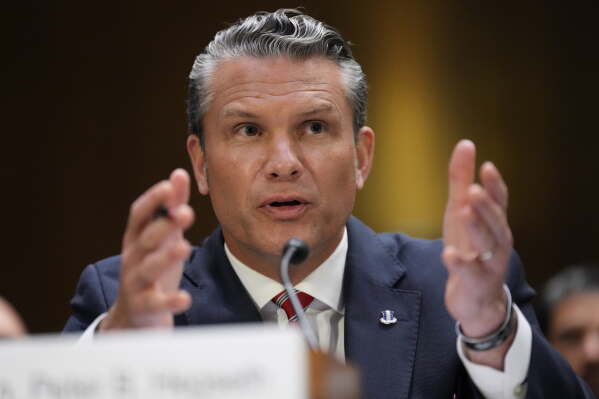
Scouting America’s National Jamboree has faced significant changes, including the removal of dedicated spaces for gay youth, women, and scouts of color. These adjustments come as the organization responds to pressure from the Pentagon, with Defense Secretary Pete Hegseth criticizing what he described as ‘woke’ diversity policies.
Hegseth has indicated the Pentagon may end its longstanding relationship with Scouting America if these changes are not implemented. Scouting America, previously known as Boy Scouts of America, rebranded in 2024 to emphasize inclusivity, particularly for the growing number of girls in scouting. However, these recent changes have led some scouts to withdraw from the event due to the scrapped initiatives.
“Scouting fundamentally is a safe place for young people to have fun,” said Samuel J. Aronson, an assistant scoutmaster and advocate for inclusive spaces at previous events. “In the absence of these spaces, we’re denying all that, both the safety and the fun, to thousands of young people.”
This year’s National Jamboree, which ends Friday, has attracted approximately 15,000 scouts, leaders, and volunteers. The 10-day event in the West Virginia mountains includes activities like mountain biking and kayaking, as well as leadership programs and educational sessions. While Scouting America has affirmed its commitment to serving all youth, it has not addressed specific questions about the changes made to the jamboree.
In February, the Pentagon and Scouting America reached an agreement that has been contentious. Activist James Dale, who was removed from the Boy Scouts in the 1990s for being gay, obtained the agreement memo through legal means. The document details how the Pentagon will monitor the compliance of Scouting America, and Dale compared the Pentagon’s tactics to bullying.
“They basically have their thumb on the organization, threatening them under constant pressure,” Dale commented.
The collaboration between the military and Scouting America has deep roots. The military has traditionally aided the jamboree with logistical support, and some scout troops operate on or near military bases. The Pentagon remains firm, with Hegseth stating in February that the military would withdraw its support if Scouting America fails to meet the changes by late August.
Younger scouts, like John Andrew Segebarth, express disappointment over the changes. Segebarth, a college student and Eagle Scout, initially looked forward to participating in the LGBTQ+ and Allied Scouts area of the jamboree. However, the removal of such spaces marks a significant shift from the inclusivity previously encouraged by Scouting America.
Another scout, Layla Grace, who found acceptance in community spaces as a transgender female, opted to attend the jamboree and assist in areas focusing on issues like mental health. Despite the absence of structured inclusion spaces, Grace strives to make her presence felt by wearing symbols of pride and volunteering.
“I am wearing so many rainbows on me, my right hand has my nails painted in the lesbian flag and my left hand has my nails painted in the transgender flag,” she said. “I am being as loud as I can to do my best to hopefully make up for the lack of community spaces.”
Scouting America’s recent decisions continue to stir debate as it navigates pressures from the Pentagon and its own commitment to inclusivity.
Leave a Reply