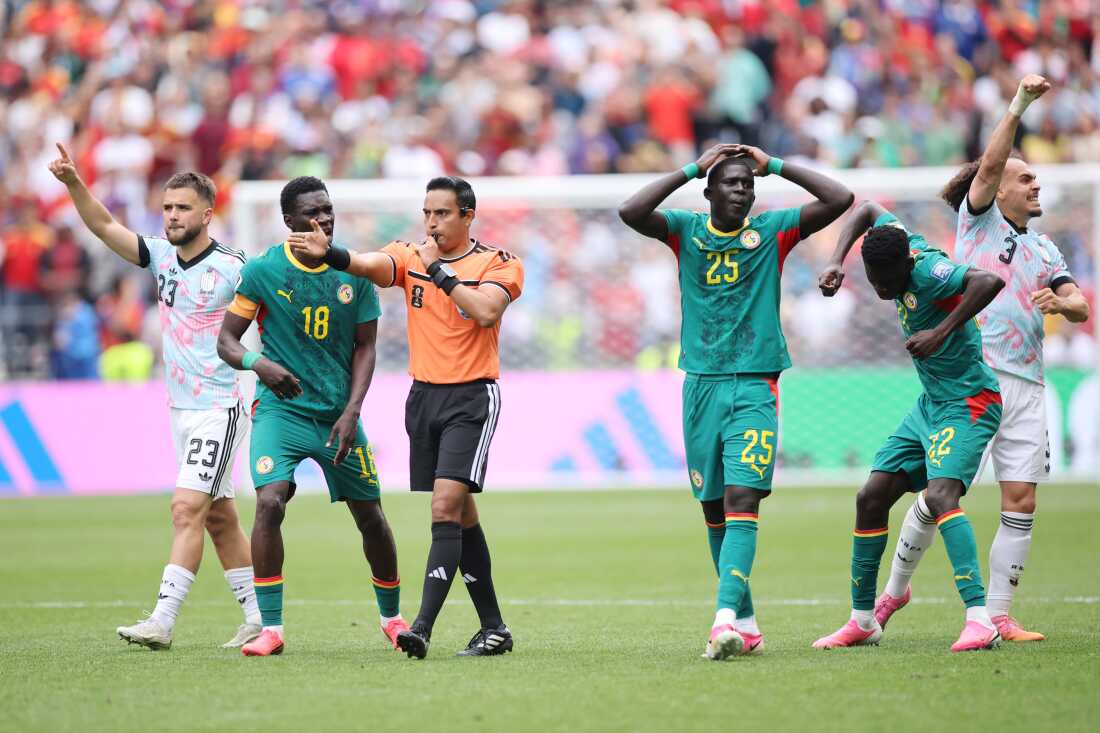
During the World Cup round of 32 match between Belgium and Senegal in Seattle on July 1, a penalty kick was awarded to Belgium after a VAR review. This decision, made by FIFA referee Said Martinez, highlights the ongoing debate over the use of VAR, or video assistant referee, technology in soccer.
Watching a match today often means experiencing moments of uncertainty. After a goal, fans wait for confirmation, knowing VAR might overturn it. FIFA insists VAR makes the game fairer. However, many fans and teams feel it disrupts the game.
The Origins of VAR in Soccer
VAR hasn’t always been controversial. Fans and players once welcomed it. In the 2009 World Cup qualifiers, a match between France and Ireland sparked significant debate. France’s Thierry Henry controversially handled the ball, yet the referee didn’t call a foul. This incident mirrored the 1986 World Cup’s infamous ‘Hand of God’ goal by Diego Maradona. Back in 2009, technology existed to review such plays and potentially rectify decisions.
FIFA has a history of resisting rule changes. Until 1970, substitutions weren’t allowed. That same year, red and yellow cards were introduced. Changes are often tested in the U.S. because American fans typically adopt new technologies quickly, as noted by Chris Davis from Adelphi University.
VAR Testing and Implementation
VAR trials took place during Major League Soccer games in 2014 and 2015. It officially debuted at the 2018 World Cup. Initially, fans appreciated VAR’s capacity to correct clear errors, which appeared to enhance game integrity. However, its infrequent use at the time meant it rarely disrupted play.
By 2026, VAR reviews had become common. They covered missed fouls in the penalty area, potential offsides, and more. The offside rule, with its 45 clauses and extensive history, is among soccer’s most intricate and misunderstood laws.
Controversies and VAR Decisions
Recent World Cup matches have seen frequent use of VAR, leading to contentious decisions. An Iranian goal was disallowed due to a player’s offside position, narrowly judged by VAR. In another match, a Colombian goal was annulled because an attacker’s toe was deemed offside. These incidents often interrupt the flow of the game, affecting the celebratory nature of goals.
One controversial match involved Egypt and Argentina. Egypt led for much of the game, scoring a second goal in the 67th minute. VAR flagged a previous foul, resulting in the disqualification of Egypt’s second goal. Argentina eventually won, prompting Egyptian complaints and raising questions about the technology’s deployment.
The Broader Debate
The debate around VAR reflects larger societal discussions on balancing technological assistance with human judgment. If humans operate technology, can bias be completely removed? Felipe Cardenas of The Athletic suggests accepting occasional human error, asserting that referees should sometimes make mistakes without taboo.
Ultimately, referees must make decisions, and fans may need to accept their rulings without further debate.
Leave a Reply