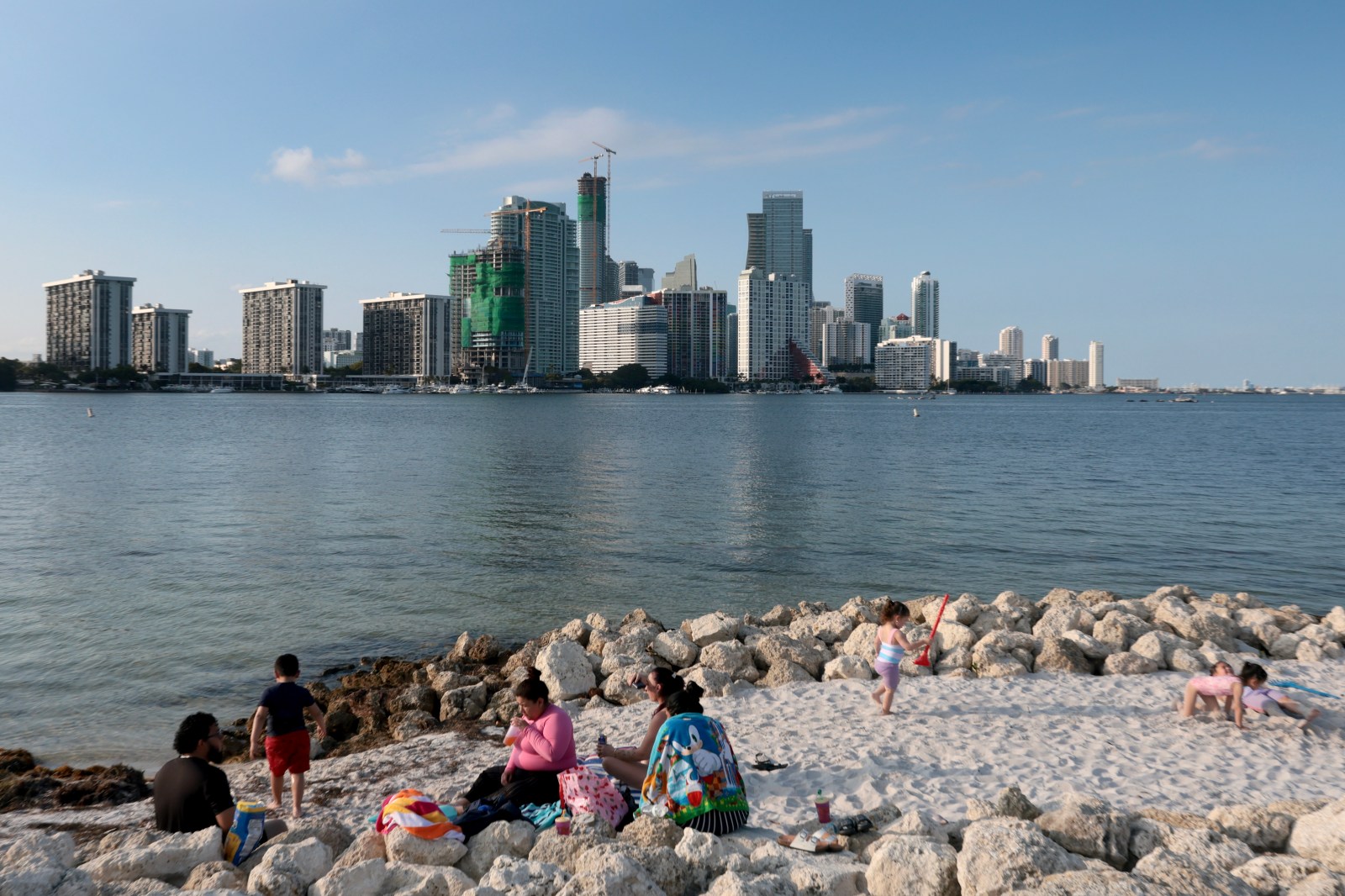
Despite ongoing increases in U.S. home prices that reached a record in June, certain areas in the country present favorable conditions for buyers. In Miami, Florida, buyers significantly outnumber sellers, with the number of sellers rising by about 140 percent compared to buyers in June based on Redfin’s data. Miami is the leading buyer’s market nationally, where supply overtakes demand, allowing buyers to negotiate lower prices.
On a national level, there were 48.5 percent more sellers than buyers, a slight decrease from 48.7 percent in May and a drop from 50.1 percent in December. This technically qualifies the U.S. housing market as a buyer’s market, defined by any market with over 10 percent more sellers than buyers. However, high borrowing costs and slowly rising home prices make the average homebuyer feel little benefit from this advantage. The 30-year fixed-rate mortgage averaged around 6.5 percent, which is a challenge for many.
Those who can purchase homes find opportunities, particularly in some southern markets. Here, substantial differences between sellers and buyers allow more negotiation power for buyers. Former pandemic boomtowns now display the strongest buyer’s markets. Approximately 70 percent of U.S. markets analyzed (33 out of 47 metropolitan areas) are buyer’s markets. Many regions identified as strong buyer’s markets saw a housing boom during the pandemic due to low mortgage rates and increased remote work.
Redfin identified the top markets in June where sellers outnumbered buyers:
- Miami, FL: 139.7%
- Nashville, TN: 128.8%
- Houston, TX: 123.8%
- San Antonio, TX: 117.4%
- Austin, TX: 101.3%
- Orlando, FL: 98.3%
- Dallas, TX: 95.8%
- Phoenix, AZ: 94.2%
- Las Vegas, NV: 92.8%
- West Palm Beach, FL: 86.3%
Cities like Nashville and Austin attracted significant demand during the pandemic. High domestic migration moved people to Florida and Texas, drawn by affordable housing, cost of living, and favorable tax conditions. Both states led in new home construction during this time.
However, as interest rates rose to between 6 to 7 percent, and remote workers returned to offices, these markets cooled significantly. Markets such as Miami illustrate why this buyer’s market is not leading to more sales. Although buyers can negotiate lower deals, the starting prices remain high. Miami’s median home sale price was $652,110 in May, with average home insurance at $14,520 yearly and increased association fees in condos.
In contrast, other cities like Nashville, Houston, San Antonio, and Austin experience a mismatch primarily due to excess construction and lessening demand. These places still exhibit high costs, with median prices in Nashville at $474,716 and Houston at $349,791 in May, both up since May 2019.
The affordability challenge continues to be a primary barrier for homebuyers, who face record-high prices and interest rates. Asad Khan, senior economist at Redfin, notes that those with adequate budgets still have an edge, with more homes to choose from, fewer bidding wars, and negotiation potential in pricing and repairs. Sellers now show increased willingness to accommodate compromises reflecting the cooling market trends.
Leave a Reply