Threats from the Sinaloa Cartel
A hacker associated with the Sinaloa cartel identified an FBI assistant legal attaché in Mexico City, revealing severe security vulnerabilities. The hacker acquired phone call records and location data using the official’s phone number. By utilizing Mexico City’s camera network, the hacker tracked the official around the city, noting interactions with others. Consequently, the cartel leveraged this information for intimidation and, in certain instances, to eliminate witnesses.
The commercial data economy allows adversaries to surveil without direct physical presence.
Inspector General’s Findings
The Department of Justice Inspector General’s updated audit highlighted the ubiquitous technical surveillance (UTS) threat. It contended that the department lacks a coordinated definition or effective response to mitigate the threat. Training specific to UTS remains inadequate. Shortcomings in addressing this challenge increase risks to department investigations, operations, sources, and witnesses.
Technology’s Impact on Security
Over the past 25 years, rapid technological shifts have transformed the security landscape for Homeland Security and law enforcement officials. Inexpensive and accessible commercial data pose unmanageable risks, demanding comprehensive solutions.
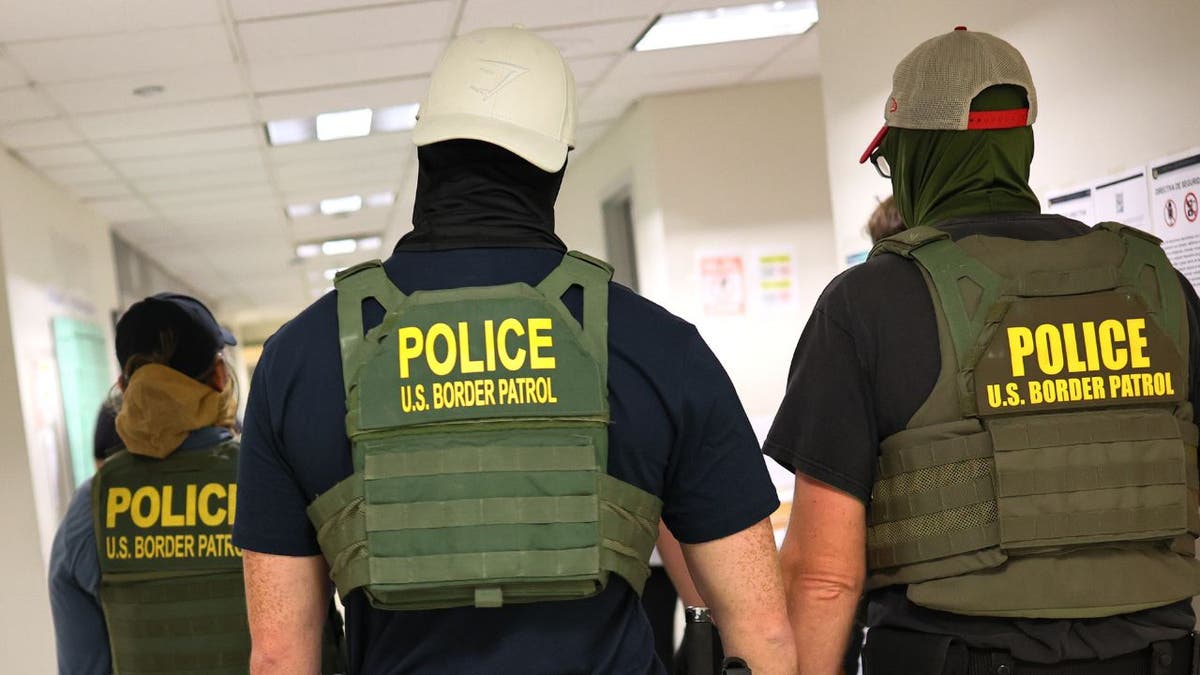
As the acting director of Immigration and Customs Enforcement, these threats were evident. The Department of Homeland Security reported in October 2025 that cartels placed bounties on ICE and Customs and Border Protection officers in Chicago. Bounties ranged from $2,000 for doxxing to $50,000 for killing senior officials.
Community Vulnerabilities
Consider an officer who participates in a raid against a cartel stash house, then returns home to the same community. The officer’s children attend local schools, and the family engages in community rituals. These elements combined present a comprehensive picture of the officer’s life, increasing their vulnerability.
Commercial Data Risks
Adversaries need minimal data to exploit vulnerabilities. Duke University researchers purchased sensitive records of U.S. military personnel for mere cents. A WIRED investigation traced commercial location data to military children’s homes.
During the Global War on Terrorism, effective use of data mapping networks was critical. This approach should now focus on safeguarding law enforcement personnel.
Necessary Protective Measures
A systematic defense against data exposure involves agencies proactively checking public visibility of agents. Facilities should exist to remove addresses from broker sites and secure personal data for family members.
Protection against threats affecting names or personal information should be a standard procedure, backed by resources and accountability.
Immediate Action Required
The administration categorized six Mexican cartels as foreign terrorist organizations. Despite threats to officers, immediate protective measures should be undertaken.
Assign a senior official to oversee security implementation. Start from the high-risk personnel in cartel cases and international positions. Determine adversary-visible data; aid families in minimizing exposure, and prepare agents for transparency in operations.
The Mexico City case exemplifies surveillance risks. Immediate action is essential to prevent tragedies and safeguard agents and families.
Leave a Reply