Former Disney star David Henrie, known for his role in “Wizards of Waverly Place,” recently shared his thoughts on the current state of kids’ programming. In a conversation with Tomi Lahren, he expressed concerns that today’s entertainment often prioritizes messaging over storytelling. Henrie argues that effective storytelling should take precedence, as audiences increasingly push back against content they perceive as divisive rather than unifying.
The appeal of legendary tales featuring dragons, noble kings, and epic quests is timeless. These stories captivate us because they fulfill our innate desire for wonder. They remind us that courage has value, love is worth defending, and the world holds mysteries beyond mundane routines. Authors like J.R.R. Tolkien and C.S. Lewis showcased this by creating worlds where danger and wonder coexist, making courage significant due to its inherent cost. Their works are beloved generations later because they maintain a clear distinction between good and evil.
Today, the fantasy genre remains highly popular, with millions spent annually on related media. However, much contemporary content deviates from the qualities that initially defined the genre. According to Russell Crowe, the lack of a moral core contributed to the failure of “Gladiator II.”
In recent years, some creators have mistakenly equated maturity with explicitness, leading to media laced with gratuitous violence and sex designed to grab attention. Critics assert that such content sneaks past parents, potentially exposing young audiences to inappropriate material. Notably, fantasy series like “A Court of Thorns and Roses” and “Fourth Wing,” despite their classification as young adult fiction, contain graphic content that reflects a wider trend of darker themes in YA publishing. The “Game of Thrones” series is cited as an example of how this trajectory culminates, with numerous scenes of sexual violence that serve no meaningful narrative purpose.
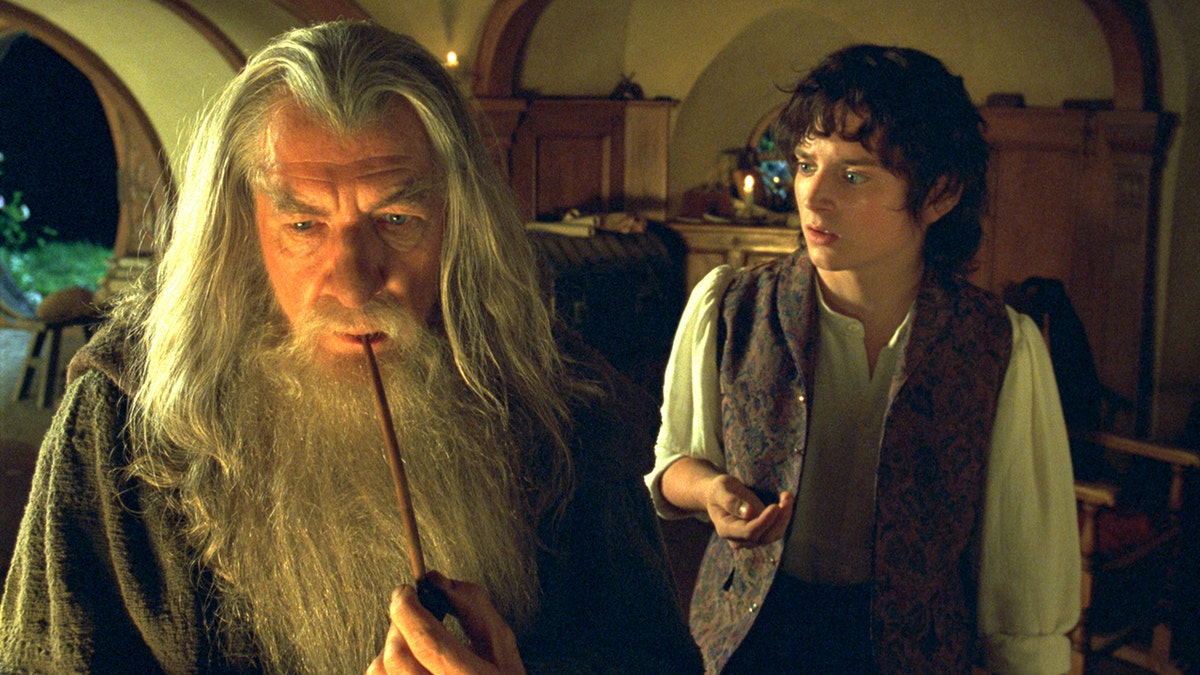
Opponents argue this direction detracts from fantasy’s essence, where imaginative worlds and heroic quests should prevail. The critical question is whether creators portray evil as a force to be defeated or something to indulge in. Works like “The Lord of the Rings” and “Chronicles of Narnia” vividly portray the consequences of evil and the importance of courage, making it clear that light will never be mistaken for darkness.
Even as fantasy fans crave adventure, danger, and resilience, it’s crucial to consider the messages imbued in youth-oriented content. While some may assume the solution lies in conservative or faith-based alternatives, Henrie emphasizes the necessity for high standards across all thematic lines. Excellent storytelling, convincing characters, and immersive worlds are necessary benchmarks.
Tolkien and Lewis excelled by prioritizing their craft, creating worlds where truth naturally thrived through compelling narratives. Today, the challenge lies in revisiting what once made fantasy magnetic and committing to crafting stories that not only entertain but also elevate.
Daniel Maritz is co-author of the biblical fantasy novel “Lightborn: Dawn of Darkness.” He also shares his insights as a YouTuber and Bible teacher with audiences worldwide.
Leave a Reply