Federal authorities have dismantled what the Drug Enforcement Administration (DEA) identifies as the first significant domestic laboratory in the United States for manufacturing nitazenes. These are powerful synthetic opioids equal to or stronger than fentanyl. The East Baton Rouge Sheriff’s Office (EBRSO) discovered the lab on November 12 in a Baton Rouge residence during a drug-trafficking investigation.
Initially, investigators thought they had found a fentanyl operation. However, further DEA forensic testing showed that the liquid in the lab’s main reactor contained etonitazene. This compound is particularly potent among the nitazene family. Federal officials have raised concerns about the evolving drug supply. Powerful synthetics are increasingly mixed with fentanyl and other narcotics, or shaped into counterfeit prescription pills.
The Raid and Arrest
Sheriff’s deputies discovered the facility while investigating 34-year-old Torrey Lewis Jr. of Baton Rouge for suspected drug trafficking. On November 12, authorities executed three search warrants. The DEA uncovered a sophisticated clandestine laboratory at a residence on Cottage Hill Drive.
The lab contained roughly $250,000 worth of professional-grade equipment, including a 100-liter reactor system, specialized temperature-control units, and an industrial evaporator. The main reactor had about 15.3 gallons of liquid. DEA forensic chemists from the South Central Laboratory in Dallas confirmed the presence of etonitazene.
Authorities seized approximately 22.5 grams of fentanyl, 3 grams of cocaine, two rifles, $8,531 in cash, and additional drug-manufacturing and distribution equipment. Jail records indicate that Lewis was held without bond on charges such as operating a clandestine drug laboratory and possession with intent to distribute a Schedule II substance. Other charges included illegal carrying of a weapon with drugs and money laundering. A commissioner later set a $200,000 bond for a separate Schedule I charge.
A Growing Synthetic Threat
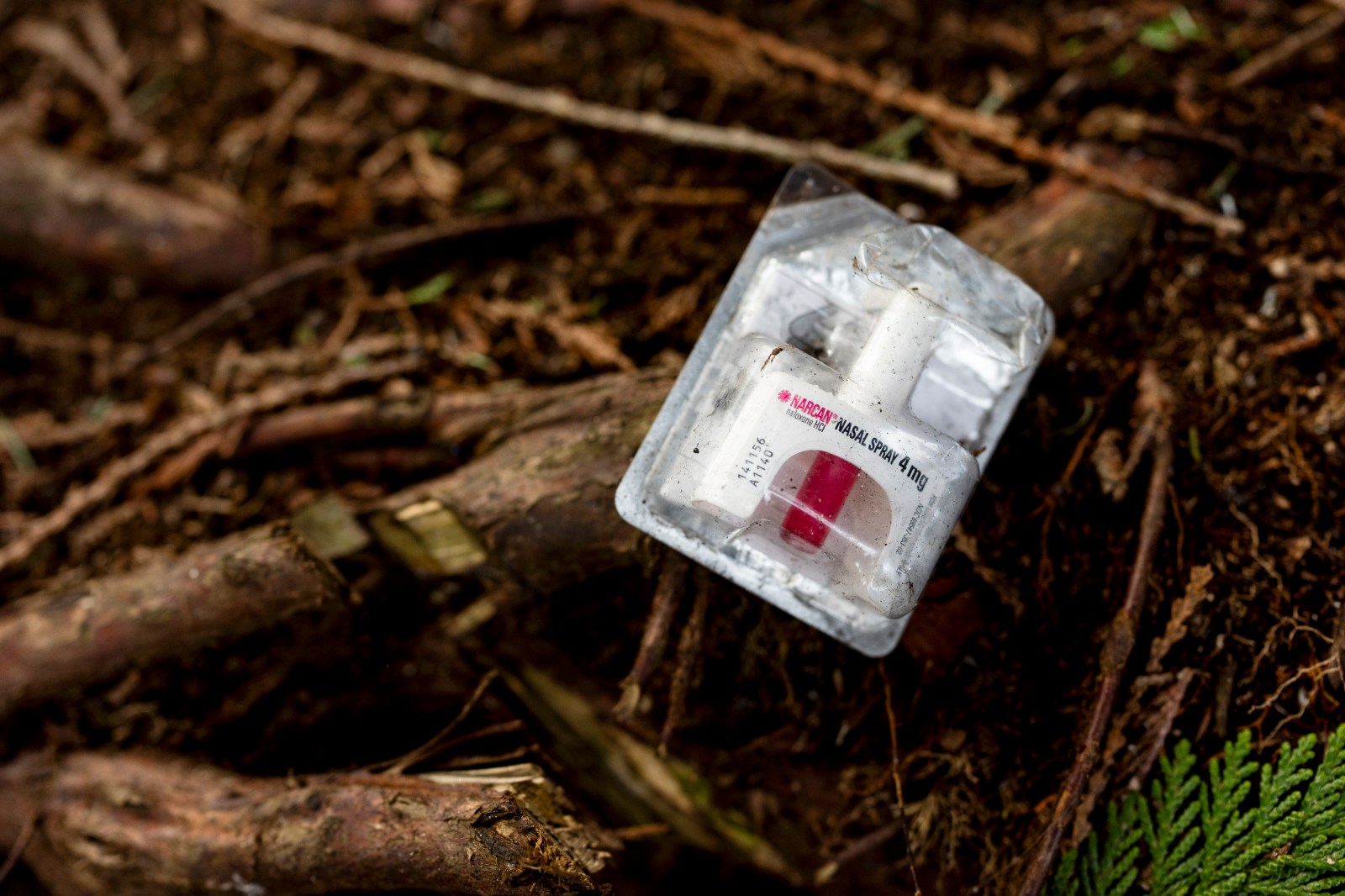
Nitazenes present an increased overdose risk since users often do not know these compounds are in illicit drugs or counterfeit pills. While the opioid-reversal medication naloxone can address a suspected nitazene overdose, the DEA warns that multiple doses might be necessary.
In May, the DEA warned of fentanyl increasingly being mixed with synthetic additives like nitazenes, xylazine, cychlorphine, and medetomidine. Since 2020, the DEA has identified 22 unique nitazene compounds. Of these, 21 are classified as Schedule I controlled substances. Officials explain that new nitazene variants emerge as law enforcement and drug scheduling suppress existing ones.
Louisiana has become a notable hotspot for nitazenes. Over 80% of the etonitazene exhibits seized by the DEA nationally in the current year originated in Louisiana, based on Louisiana State Police Crime Laboratory data.
The Strength of Nitazene
The term ‘nitazenes’ describes a family of related synthetic opioids. Their potency varies by specific compound. According to the DEA, nitazenes can match or greatly exceed fentanyl’s potency. Etonitazene, found in the Baton Rouge laboratory, is one of the particularly strong members of this class.
Nitazenes act on opioid receptors. Like fentanyl and other opioids, they can cause fatal respiratory depression. Their strength poses an added risk when substances are consumed unknowingly through counterfeit pills or mixtures with multiple drugs.
The DEA cautions that nitazenes and similar substances add unpredictability to the drug supply. These compounds may mix into counterfeit pills or fentanyl powder without user knowledge. This complicates overdose responses. Highly potent synthetic opioids like nitazenes might require several naloxone doses to counteract their effects.
Leave a Reply