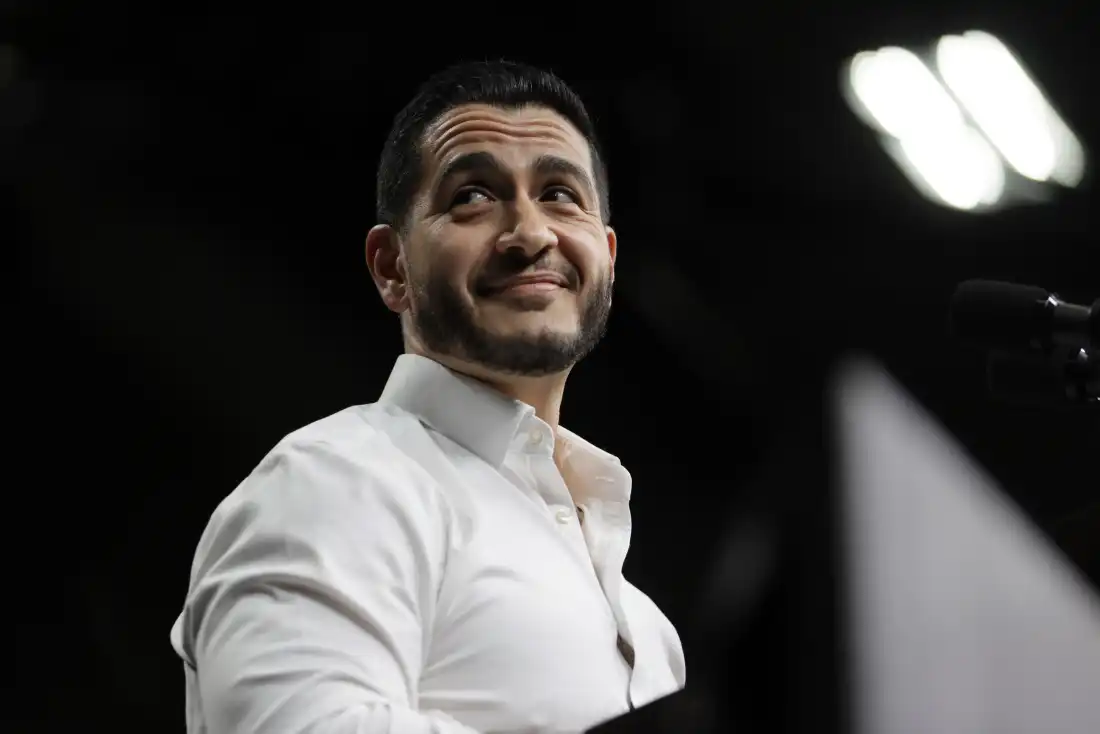
The recent election in Dearborn, Michigan marked a pivotal moment as the city experienced its highest voter turnout ever. This surge helped Abdul El-Sayed secure a historic victory for the Senate. In an interview with Morning Edition, Dearborn’s Mayor, Abdullah Hammoud, highlighted the significance of this turnout.
Mayor Hammoud noted that the city’s strong participation was fueled by El-Sayed’s focus on policies that prioritize the needs of working-class families. This message resonated deeply with many residents, including Arab American and Muslim American communities within Dearborn.
Reflecting on previous elections, Hammoud recalled his involvement in the Uncommitted National Movement during the 2024 presidential primary. This movement saw many voters expressing dissatisfaction with Biden’s administration, especially concerning military aid to Israel. Dearborn’s support had shifted toward President Trump back then.
By 2026, a change was evident as El-Sayed’s campaign addressed local concerns directly. His emphasis on redirecting funds from military actions abroad to domestic improvements received broad support. His election marks him as the first Muslim American in Congress, overcoming attacks related to his ethnicity and religion.
El-Sayed’s campaign faced significant challenges, including an anti-Muslim protest led by far-right activist Jake Lang. However, as Hammoud pointed out, El-Sayed’s win reflects a belief in an inclusive America.
“If you’re a candidate who centers the issues of working-class families,” Hammoud observed, “what doesn’t matter is the direction in which you pray. What matters more is the direction in which you wish to lead.”
Dr. Abdul El-Sayed himself articulated that neither his faith nor ethnicity affected economic issues like rising gas prices or political corruption. Hammoud stressed an America willing to look beyond bigotry to embrace diversity.
Speaking to NPR’s Leila Fadel, Hammoud discussed the strategic shift in engaging Dearborn voters. He emphasized the real-world effects of anti-Muslim rhetoric and the community’s resilience in face of it.
Leave a Reply