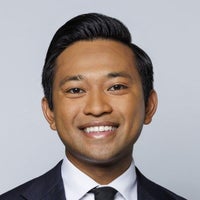
In Southfield, Michigan, Democratic Senate candidates Abdul El-Sayed and Rep. Haley Stevens sparred over outside spending and campaign tone in their final televised debate before a crucial primary election next Tuesday. The contest aims to fill the seat of retiring Democratic Sen. Gary Peters. The race highlights a larger party discussion about the viability of progressive stances in competitive elections.
Differences in Ideology
Stevens, representing parts of Detroit since 2019, aligns with the party’s moderate faction. In contrast, El-Sayed, a trained doctor, positions himself as a progressive.
Funding Disputes
El-Sayed criticized Stevens for accepting significant outside funding, notably from groups linked to the American Israel Public Affairs Committee (AIPAC). He highlighted Stevens’ vote against reducing $3.3 billion in annual military aid to Israel, labeling the aid a poor use of taxpayer dollars.
Stevens refuted claims that external funding influences her, stating her support for a two-state solution and critiquing Israeli Prime Minister Netanyahu, attracting backlash from him.
She pointed out that El-Sayed benefits from super PAC support, mentioning the ‘Fighting for Michigan PAC’ backed by his father-in-law, Jukaku Tayeb, with $300,000 contributions. This super PAC has allocated over $2.3 million to back El-Sayed. In contrast, AIPAC’s super PAC, United Democracy Project, and another group, ‘A Stronger Michigan,’ have spent over $36.7 million supporting Stevens but haven’t disclosed donor identities.
Electability Concerns
The primary winner will likely face Republican Mike Rogers, a former representative who appeared with President Trump after his Michigan victory in 2024. Rogers highlighted Trump administration wins in manufacturing.
National Democrats debate whether progressive achievements in places like New York City signal a winning strategy nationwide. Stevens and her supporters warn that El-Sayed poses electoral risks. El-Sayed, not identifying as a socialist, sees monopolies, not regulation, as capitalism’s threat. He has endorsements from progressive figures like Sen. Bernie Sanders and Sen. Elizabeth Warren. Stevens gains support from moderate figures like Sen. Peters and Governor Whitmer.
Campaign Rhetoric and Tone
El-Sayed’s controversial remarks in a donor meeting, calling for progressives to unseat incumbents, raised concerns. El-Sayed denied targeting Stevens’ character, attributing negative campaign tone to ads from Stevens’ supporting super PACs.
El-Sayed responded to accusations of disrespecting women tied to past comments about Michelle Obama and Whitmer. He emphasized his upbringing by strong women, countering that past critiques don’t equate to disrespect.
Financial Transparency Issues
El-Sayed disclosed owning rental properties in India and UAE via his spouse. Stevens criticized his transparency over $300,000 in ‘other’ income, questioning his financial disclosures. El-Sayed countered, attributing attention to foreign properties linked to racial stereotypes.
Leave a Reply