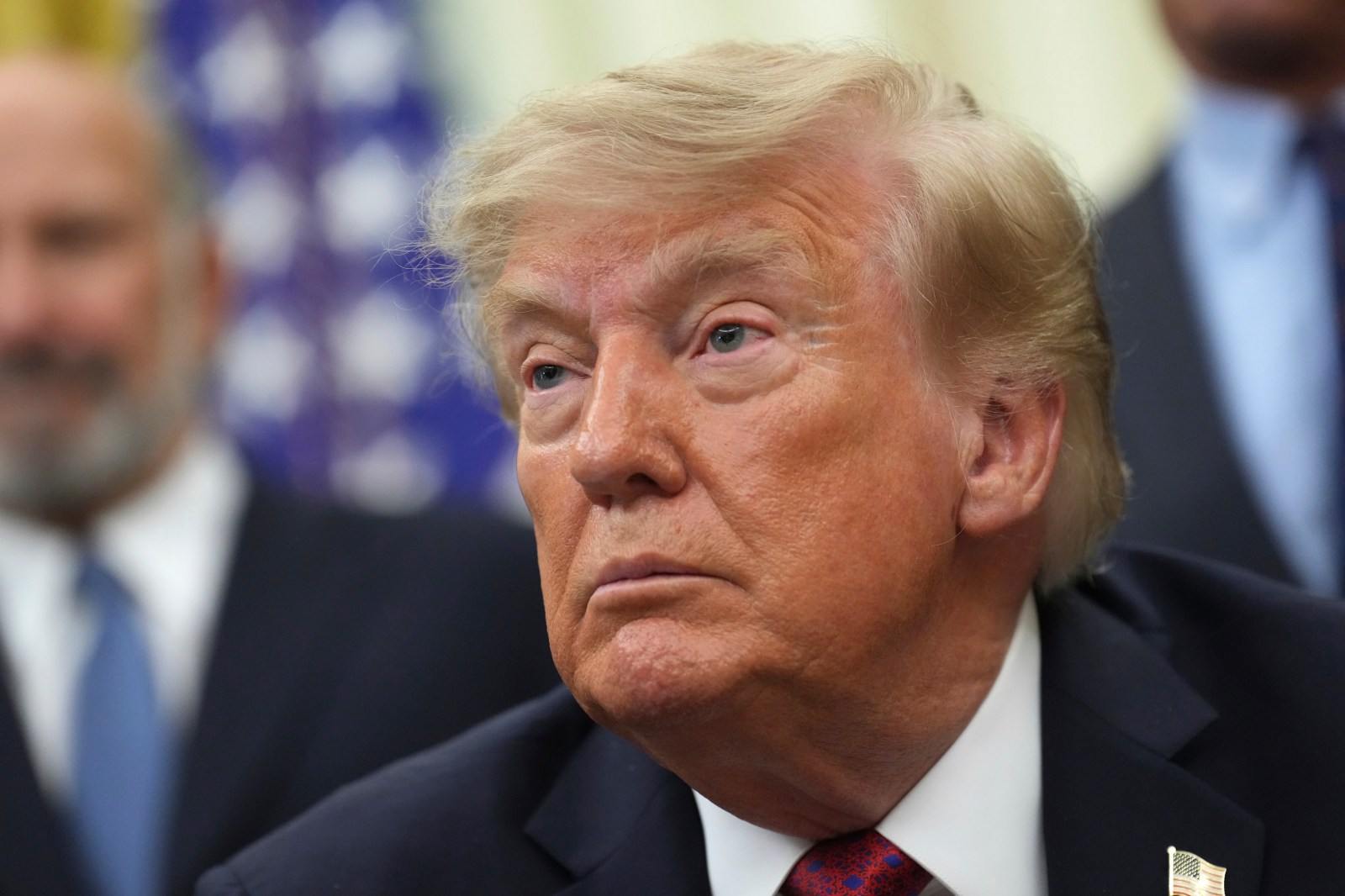
President Donald Trump recently expressed strong support for data centers, stressing that communities opposing these projects risk being left behind economically. Despite Trump’s stance, many Republican officials are advocating for restrictions on such developments amid rising public concern. Trump believes data centers generate jobs, investments, and tax revenue, positioning the U.S. against global competitors like China. On the other hand, some Republicans worry about increases in electricity costs, water usage, and the impact on local communities.
One notable opponent, Tennessee Representative Tim Burchett, jokingly referred to himself as “backwards and poor” in response to Trump’s comments. Burchett highlighted the lack of public awareness and involvement in the data center approval process. He suggested alternatives like locating centers on military sites instead of near residential areas. Data center projects, he argued, need more local oversight and engagement.
Growing Concern Among Republicans
A number of Republican leaders are distancing themselves from Trump’s viewpoint on data centers. Governors, senators, and House members, including some who supported past projects, are now pushing for stronger local controls. With midterm elections approaching, this split in opinions may widen within the Republican Party.
Data center opposition is gaining traction among Trump’s supporters. According to a recent Economist/YouGov poll, nearly half of Trump voters oppose such developments in their areas. Additionally, a Gallup survey found significant opposition across the American public to local data center construction.
Republican Leaders Advocating Restrictions
Michigan Senate nominee Mike Rogers has demanded a one-year halt on new projects, emphasizing the need for a fair approval process prioritizing local communities. Similarly, Texas Governor Greg Abbott advocates for greater oversight, contrasting with his earlier pro-AI investment stance.
Ohio Senator Jon Husted introduced legislation to protect utility ratepayers from covering energy costs linked to new data centers. He argues communities should benefit from such projects while also maintaining control over local decisions. In Pennsylvania, gubernatorial candidate Stacy Garrity initially promoted potential data center growth but has shifted to emphasize community involvement in deciding future developments.
Opposition Beyond Political Circles
The concerns extend beyond political circles. In North Carolina, residents near new data centers report ongoing noise disruptions and water consumption concerns. Similar issues arise in Massachusetts, where the constant hum of centers disrupts local tranquility.
According to the Environmental and Energy Study Institute, mid-sized centers can require up to 300,000 gallons of water daily, while larger ones may need up to 5 million gallons, affecting local resources.
Proponents argue data centers contribute to job creation and investment while supporting AI development. They believe these facilities are vital for maintaining U.S. tech competitiveness against countries like China.
The debate over data centers exemplifies the complex balance of economic development, environmental impact, and community involvement facing policymakers today.
Leave a Reply