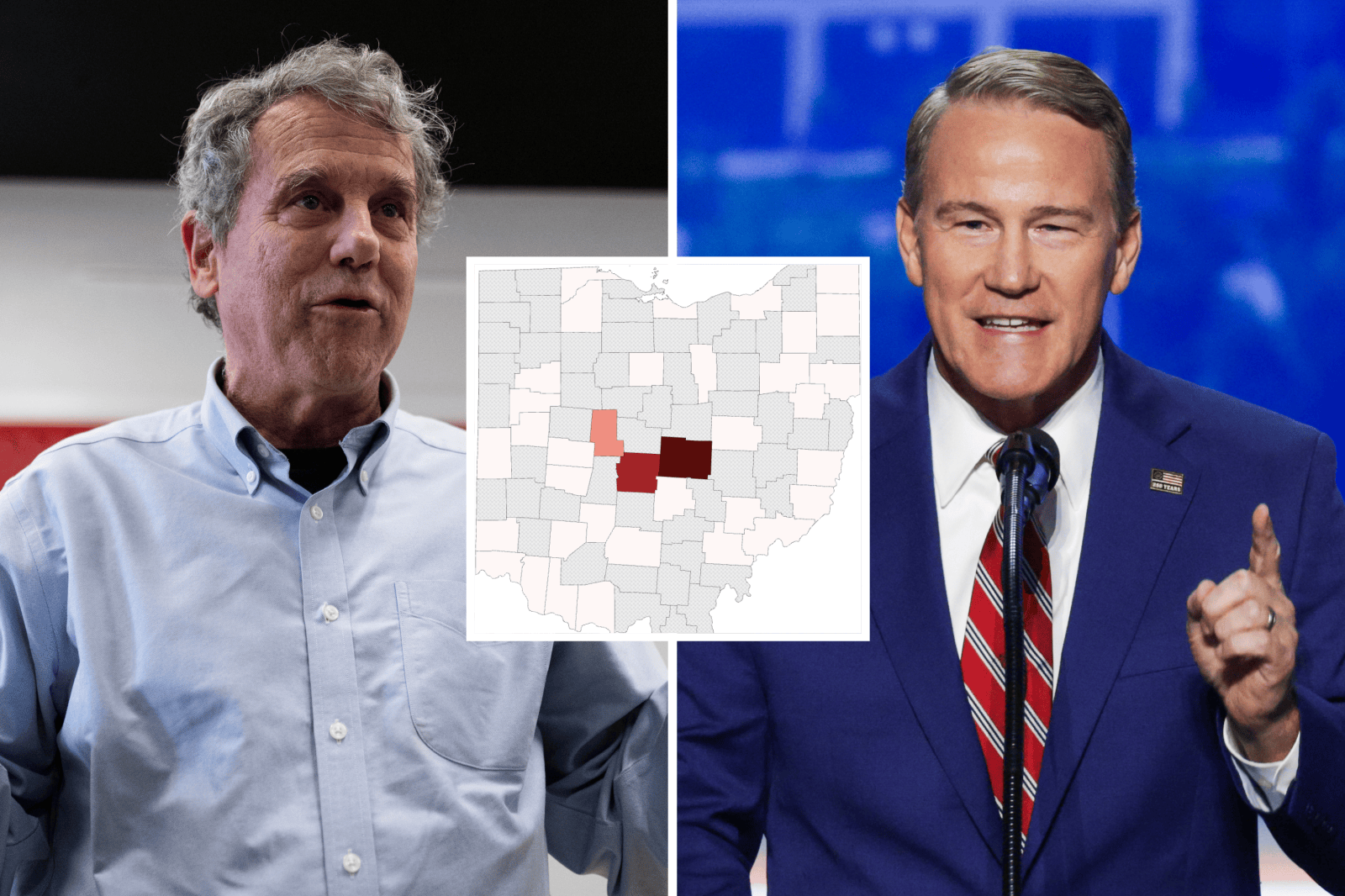
The Ohio Senate race has highlighted data centers as a crucial issue. Republican Senator Jon Husted and Democratic former Senator Sherrod Brown are at odds over this matter as voters express concerns about the rapid development of data centers in their communities.
Debate on Data Center Development
Data centers, integral to artificial intelligence infrastructure, have become a focal point in Ohio’s midterm elections. Supporters argue these centers bring jobs, including union jobs, to communities. Critics, however, point to environmental concerns, increased electricity bills, and noise pollution.
Erin Brockovich’s map highlights the proliferation of AI-focused data centers across Ohio, showing major facilities and numerous smaller sites reported by communities. Sherrod Brown and Jon Husted seek to position themselves on this issue as Congress prepares for its next session in 2027.
Ohio Center of Data Center Pushback
David Niven, professor at the University of Cincinnati, noted the spread of data centers in rural Ohio has ignited voter backlash over noise, pollution, and higher utility rates. He remarked that Democrats have found this a potent issue, while Ohio Republicans have supported data center projects with tax incentives.
Transparency is a concern. Paul Beck, professor emeritus at Ohio State University, emphasized that voters are displeased with tax rebates approved without sufficient transparency.
A Bowling Green State University poll revealed that 75% of Ohioans oppose data centers in their communities, with 63% against them in the state altogether. Around 78% support a temporary halt to their development until more information is available. The poll surveyed 1,000 likely voters, with a margin of error of 4 points.
Where Data Centers Are Being Developed
Most AI data centers have been built around Columbus, tapping into its central location. Notable construction has occurred in Licking and Union counties, known for their suburban landscape and conservative leanings. Despite Franklin County’s Democratic base, suburban counties have experienced investment backlash, including petitions like the one in Licking County to restrict large data centers.
David Niven explained that central Ohio’s appeal lies in its affordable land, water access, and proximity to electric lines and population centers. Ohio has offered data centers over $2.3 billion in sales tax breaks.
Candidate Positions on Data Centers
Jon Husted introduced the Ratepayer Protection Act in the Senate to curb rising electricity prices associated with data centers. It was unsuccessful as Senate Democrats deemed it insufficient.
Husted highlighted personal consumption habits as a driving force for data centers, noting the public’s reliance on digital products linked to these centers. He stressed local autonomy over data center decisions.
Amy Natoce, Husted’s campaign spokesperson, criticized Brown’s record and accused him of obstructionist tactics. She said Husted’s failed legislation aimed to ensure data centers pay for their power usage.
Sherrod Brown has voiced skepticism, opposing the influx of data centers. He argues they should bear the full cost of utility expenses to relieve Ohioans from subsidizing these costs. Brown’s campaign highlights his commitment to protect resources and manage utility bills.
Labor Unions’ Support for Data Centers
Labor unions present a complex dynamic in Ohio’s data center debate. Historically central to Brown’s base, unions support the job opportunities data centers promise. Yet, Dorsey Hager criticized political opposition to data centers, citing job potential.
Professor Niven noted Democrats have softened their stance on data centers to avoid union alienation. Still, given the limited jobs created post-construction, the issue remains contentious.
Ohio Senate Race Polls
Polling suggests a competitive race between Husted and Brown. RealClearPolling showed Brown leading by 2.1 points. InsiderAdvantage’s poll revealed Brown with a 3-point advantage, while a Fox News poll showed Brown up by 5 points. Both polls have small margins of error.
Sherrod Brown’s Political Journey
Brown served in the Senate from 2007 to 2025, witnessing Ohio’s shift from a battleground state to a more conservative stronghold. In recent years, Trump’s popularity among white working-class voters has shifted support away from Democrats in rural counties. Yet, Democrats aim for competitiveness this year, banking on Trump’s low national approval ratings and economic dissatisfaction.
The race holds significant implications for the balance of power in Congress, with Democrats seeing potential for a competitive contest in traditionally Republican-leaning Ohio.
Despite challenges, Brown seeks to win support in this changing political landscape, as he did when he was last elected in 2018.
Leave a Reply