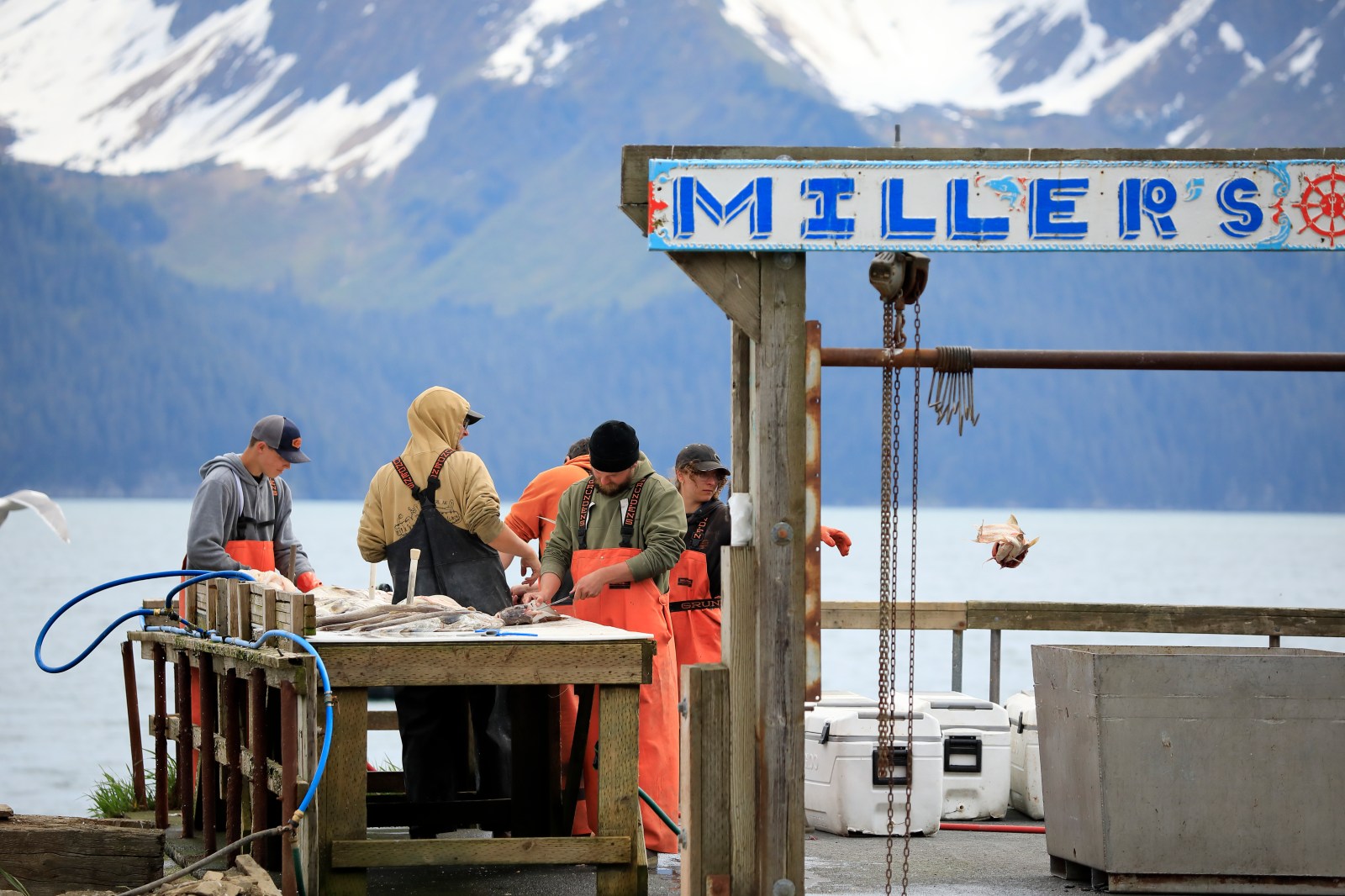
While midterm voters in other states focus on issues like immigration and inflation, Alaskans are engaged in debates over salmon runs, bycatch limits, and the future of the state’s fishing industry. These discussions may influence whether Democrat Mary Peltola can unseat Republican incumbent Dan Sullivan in the U.S. Senate race. Alaska’s contest is among the most closely-watched elections in 2026, alongside Maine, Texas, and Michigan, as these races could determine Senate control during President Donald Trump’s second term. Alaska has not elected a Democrat to the Senate since 2008, adding intrigue to the election.
Alaska’s voter landscape and ranked-choice voting system make statewide leadership less about party lines. Aubrey Wieber, executive director of the 907 Initiative, notes the impact of high costs on Alaskans. Gas prices can reach $26 per gallon in rural areas, and the expense of everyday items is exacerbated because they are shipped in. Alongside economic challenges, trawl bycatch has emerged as a critical issue, drawing grassroots attention before politicians addressed it.
Alaska is culturally tied to salmon. It’s a critical food source in rural areas without easy access to stores. It’s a livelihood and an identity.
The fishing industry is vital for Alaska, contributing significantly to the economy but facing threats like fluctuating fish stocks. Problems like warming oceans and habitat pressures, along with larger commercial vessels from outside the state, are part of the challenge. Matt Alward, president of the United Fishermen of Alaska, highlights the influence of changing environmental conditions, not just bycatch. Some salmon stocks are declining, leading to lost income and uncertainty for businesses.
Candidate Positions on Fishing
Mary Peltola and Dan Sullivan’s campaigns have centered on the fishing industry’s importance. Peltola’s slogan, “Fish, Family, Freedom,” emphasizes threats from large trawlers in federal waters, which she believes harm Alaska’s salmon runs by contributing to excessive bycatch. Peltola advocates for banning factory trawling, reducing bycatch, and enhancing electronic monitoring. She also seeks increased tribal representation on the North Pacific Fishery Management Council.
Dan Sullivan focuses on his Senate record, showcasing his efforts for better monitoring and science to aid the industry. In June, he proposed the Bycatch Reduction Act to address these issues. Sullivan’s actions include pursuing federal assistance programs for Alaska’s seafood industry and supporting the creation of the Office of Seafood at the USDA.
Electoral Implications of Fisheries
The fishing industry could impact the Alaska Senate race outcome. A Data for Progress poll shows only 3 percent of Alaskans consider fisheries and bycatch a top concern, yet 74 percent want trawling banned. As an issue significant to Alaskans, fishing has drawn candidates’ focus, suggesting its importance in upcoming elections.
Controversies in Alaska’s Election
The Department of Justice has filed a lawsuit concerning the Senate ballot, which includes two candidates named Dan Sullivan. The Trump administration believes this confusion could affect the election outcome. Allegations include an intent to mislead voters, with Dan J. Sullivan anticipated to confuse them. An Alaska court ruled to include Dan J. Sullivan on the ballot despite initial exclusion attempts. The DOJ seeks to investigate voter intent and the race’s potential outcome without confusion.
Leave a Reply