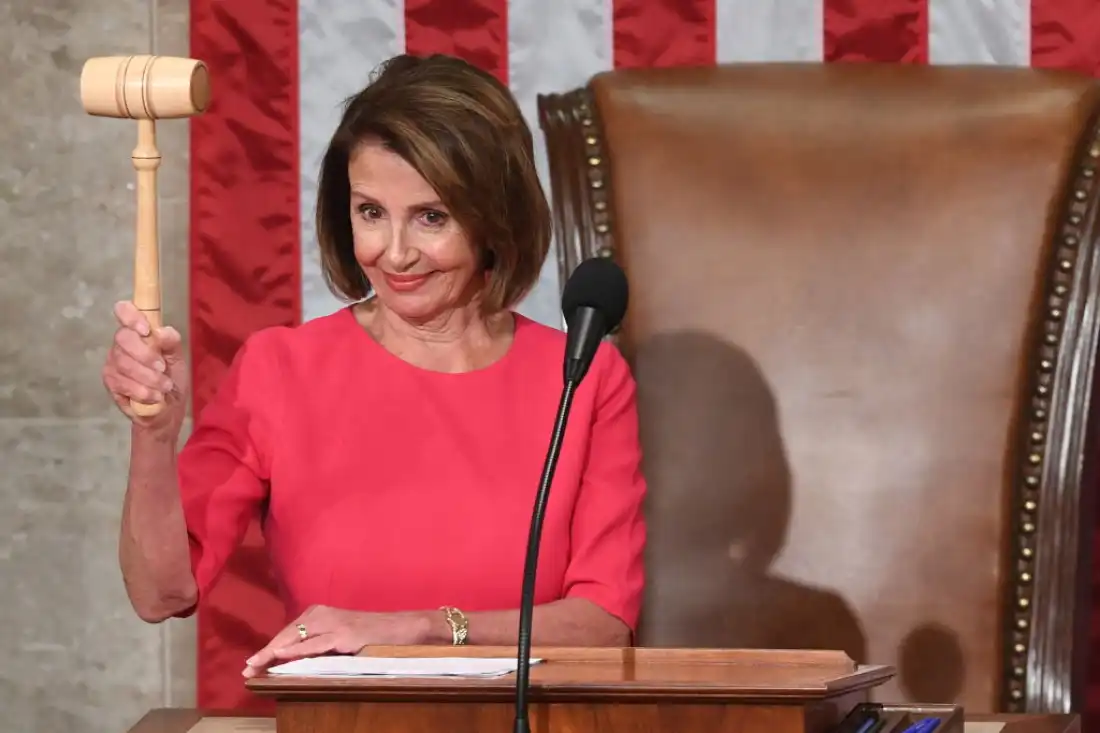
The speaker of the U.S. House of Representatives, Nancy Pelosi, held the gavel during the opening session of the 116th Congress in January 2019. Her leadership reflected significant moments in American politics.
Throughout the history of the United States, midterm elections have often reshaped the political landscape. These elections, occurring in the middle of a president’s term, serve as pivotal points. In the 2020s, unlike previous decades, no midterm has yet stood out as transformative.
The Role of Midterms
Midterm elections typically draw fewer voters compared to presidential elections, with participation dropping by about one-third. Despite this, midterms elect the same number of Congress members and fill numerous state legislature positions. They also determine two-thirds of governorships.
Big-impact midterms often occur during a president’s second term when their influence may be waning. These elections provide an opportunity for presidential detractors and often lead to significant political shifts.
Notable Midterms in History
The midterm elections following the Wall Street Crash of 1929, for instance, were highly significant. This event led to the Great Depression and a shift in political power. The 1930 midterms reduced Republican seats in both the Senate and the House, ultimately shifting control to the Democrats in the following years.
In another historical shift, the 1946 midterm elections marked the end of President Franklin Roosevelt’s Democratic dominance, with Republicans regaining control of both houses of Congress.
Midterms of the 1960s
During the 1960s, midterms mirrored the national mood. The 1966 midterms, for instance, occurred during Lyndon Johnson’s presidency and amid the Vietnam War. Energy waned from his landslide victory in 1964, and the Republicans gained momentum by capturing numerous House seats.
Regionally, the term “Sunbelt” began gaining popularity as Ronald Reagan won the governorship in California in 1966. The midterms of 1974 then reversed many Republican gains due to the Watergate scandal, affecting President Richard Nixon’s party.
Reagan and Beyond
Ronald Reagan, an influential figure of the 1980s, won in 1980 and 1984 with substantial victories. Despite this, he faced challenges in the 1982 midterms, with Democrats gaining seats.
As history continued, Bill Clinton’s presidency saw a significant shift in the 1994 midterms as Republicans gained control of the House after decades. This power shift reflected in their strategies and agendas, like the “Contract with America.”
The 2000s and 2010s
Entering the 21st century, midterms continued to reflect broader national dynamics. George W. Bush defied odds by gaining seats in the 2002 midterms after the 9/11 attacks. However, his party faced losses in 2006 due to the Iraq War.
Barack Obama faced setbacks in the 2010 midterms due to concerns over the economy and healthcare reforms. Despite this, Obama secured a second term, although the GOP regained strength in subsequent midterms.
Looking to the Future
The last midterms of the 2020s hold potential significance. Economic concerns and political dynamics might shape election outcomes, potentially impacting party control in Congress. Observers expect shifts similar to the transformative midterms of the past.
Leave a Reply